


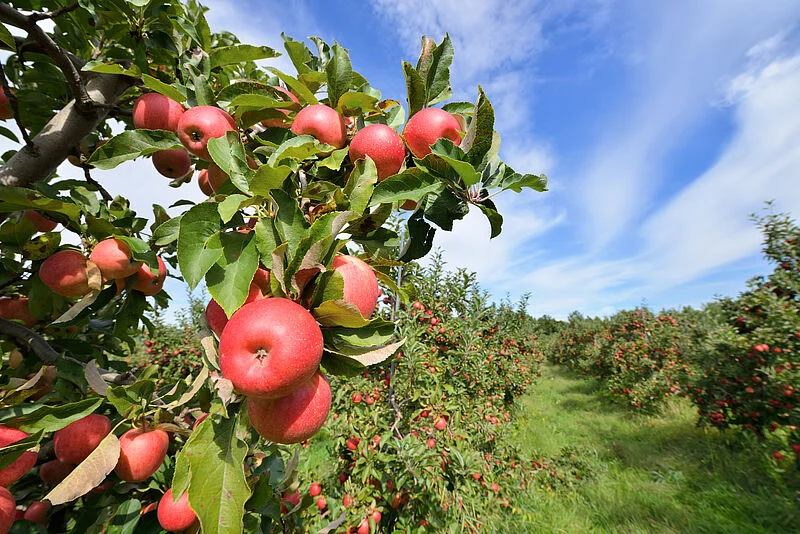
Apple - Nature's Perfect Snack for Heart Health
Discover the health benefits of apples - a crunchy, fiber-rich fruit packed with antioxidants and vitamin C that supports heart health, digestion, and immunity.
Fri, Jun 27, 2025Apples are one of the most popular fruits globally, cultivated for thousands of years across Asia and Europe. With their juicy texture and naturally sweet flavor, apples are enjoyed fresh, baked, juiced, or as a key ingredient in many dishes.
🍎 Apple at a Glance
Apple (Malus domestica) is one of the most widely consumed fruits in the world, known for its satisfying crunch, natural sweetness, and impressive nutritional profile. Rich in dietary fiber, vitamin C, and powerful antioxidants like quercetin, apples have been cultivated for over 4,000 years across Central Asia, Europe, and now globally. In India, apples are primarily grown in the Himalayan states of Himachal Pradesh, Jammu & Kashmir, and Uttarakhand, where varieties like Royal Delicious and Golden Delicious thrive in the cool climate. Known as “seb” (सेब) in Hindi, the apple remains a staple fruit in Indian households, especially during the autumn and winter months.
✨ Why It’s Special
- 🏆 One of the most researched fruits — the saying “an apple a day keeps the doctor away” is backed by centuries of medicinal use and modern science
- 🌍 Over 7,500 varieties exist worldwide, from sweet Fuji to tart Granny Smith, each with a unique flavor and texture
- 🧬 Rich in quercetin, a powerful flavonoid antioxidant that supports brain health and reduces inflammation
- 🇮🇳 India is the 5th largest apple producer, with Kashmiri and Himachali apples being prized for their flavor and quality
- 🍏 Versatile culinary fruit — enjoyed raw, baked, juiced, fermented into cider, or cooked into chutneys and desserts
💪 Health Benefits
- ✅ Supports heart health — the soluble fiber pectin helps lower LDL cholesterol levels, while polyphenols reduce blood pressure
- ✅ Boosts digestive health — 4.4g of dietary fiber per medium apple promotes regular bowel movements and feeds beneficial gut bacteria
- ✅ Strengthens immunity — vitamin C and quercetin work together to enhance immune cell function and fight infections
- ✅ Aids weight management — high water content (86%) and fiber create a feeling of fullness with only 52 calories per 100g
- ✅ May reduce diabetes risk — polyphenols in apple skin improve insulin sensitivity; studies show eating apples regularly lowers type 2 diabetes risk by up to 28%
- ✅ Promotes brain health — quercetin protects neurons from oxidative damage and may reduce the risk of Alzheimer’s disease
- ✅ Supports bone density — antioxidant and anti-inflammatory compounds in apples are linked to improved bone mineral density
- ✅ May lower cancer risk — flavonoids and dietary fiber are associated with reduced risk of colorectal and lung cancers
- ✅ Improves skin health — vitamin C supports collagen production, while antioxidants fight free radical damage
- ✅ Supports oral health — chewing apples stimulates saliva production, which helps reduce tooth decay bacteria
🥗 Nutritional Information (Per 100g Apple)
| Nutrient | Amount |
|---|---|
| Calories | 52 kcal |
| Total Carbs | 13.8 g |
| Dietary Fiber | 2.4 g |
| Sugars | 10.4 g |
| Protein | 0.3 g |
| Fat | 0.2 g |
| Vitamin C | 4.6 mg |
| Potassium | 107 mg |
| Vitamin K | 2.2 µg |
| Manganese | 0.035 mg |
Note: Apple skin contains up to 50% more fiber and significantly higher concentrations of quercetin and vitamin C compared to the flesh alone. Eating the whole apple with skin maximizes nutritional benefits.
🔄 Quick Comparison: Apple vs Pear — Crunch vs Melt
| Feature | Apple 🍎 | Pear 🍐 |
|---|---|---|
| Calories (per 100g) | 52 kcal | 57 kcal |
| Fiber (per 100g) | 2.4 g | 3.1 g |
| Vitamin C (per 100g) | 4.6 mg | 4.3 mg |
| Potassium | 107 mg | 116 mg |
| Glycemic Index | ~36 (Low) | ~38 (Low) |
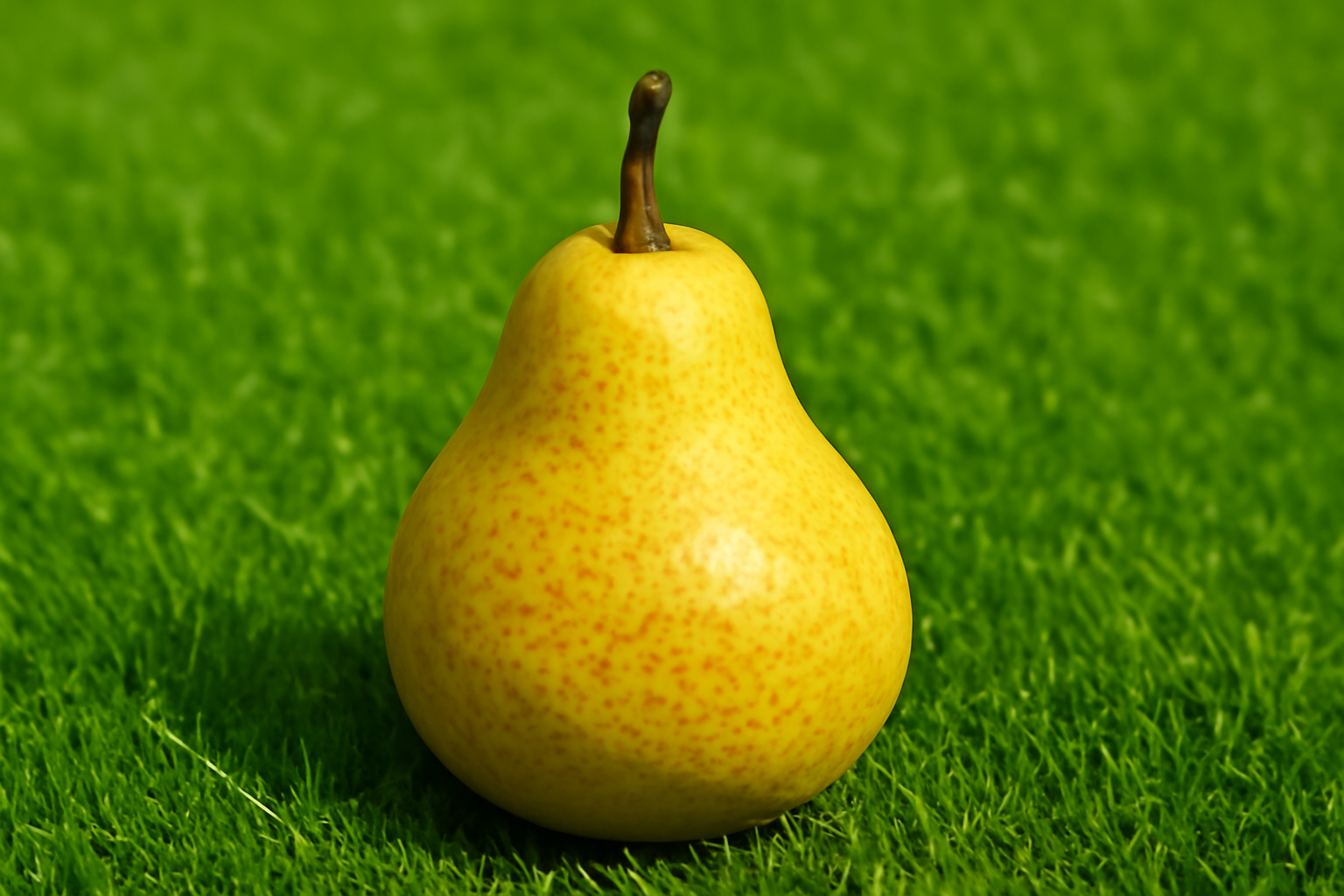
| Texture | Crisp, crunchy | Soft, buttery when ripe |
| Best Season (India) | August–December | August–November |
| Key Antioxidant | Quercetin | Arbutin |
📅 Seasonal Availability
- 🍂 Peak season in India: August to December — Kashmiri and Himachali apples flood the markets during this period
- ❄️ Winter supply: Cold-stored Indian apples are available through January–March
- 🌏 Imported apples from the USA, New Zealand, and Chile fill the gap from April to July
- 🏔️ Regional varieties: Shimla, Kinnaur, and Kashmir produce distinct apple varieties suited to their micro-climates
- 📆 Year-round availability: Thanks to cold storage and imports, apples are available throughout the year in most Indian cities
🛒 How to Choose & Store Apple
How to Choose
- Pick apples that feel firm and heavy for their size — this indicates freshness and juiciness
- Look for smooth, unblemished skin without soft spots, wrinkles, or bruises
- Check the stem area — it should be intact and free of mold
- Smell the apple — a fresh, mildly sweet aroma indicates ripeness
- For Indian markets, prefer seasonal local varieties (August–December) for the best flavor and price
How to Store
- Refrigerator: Store in the crisper drawer at 1–4°C for up to 4–6 weeks
- Room temperature: Apples last 1–2 weeks on the counter; consume quickly in warm climates
- Keep separate from other fruits — apples release ethylene gas that accelerates ripening of nearby produce
- Cut apples: Toss with lemon juice to prevent browning and refrigerate in an airtight container for up to 3–5 days
🥄 How to Use / Consume
Fresh Consumption
- 🍎 Eat raw as a snack — the simplest and most nutritious way
- 🥗 Slice into salads with walnuts, cheese, and a light vinaigrette
- 🍏 Pair with peanut butter or almond butter for a protein-rich snack
Beverages
- 🥤 Fresh-pressed apple juice or cold-pressed for maximum nutrients
- 🍵 Apple cinnamon tea — boil apple slices with cinnamon and honey
- 🧃 Apple smoothies blended with yogurt, oats, and a pinch of cinnamon
Cooked & Desserts
- 🥧 Classic apple pie, crumble, or strudel
- 🍯 Stewed apples with cinnamon — a warm, comforting dessert
- 🫕 Apple chutney — a tangy Indian condiment with spices, vinegar, and jaggery
- 🍰 Apple halwa — a unique Indian dessert made with grated apples, ghee, and cardamom
Tips
- Eat with the skin on for maximum fiber and antioxidant benefit
- Green apples are ideal for cooking due to their tartness; red varieties are best for eating fresh
- Slightly tart apples (Granny Smith) hold their shape better in baking
⚠️ Precautions
- ❗ Pesticide residue — apples consistently rank among the “Dirty Dozen” for pesticide residues; wash thoroughly or buy organic
- ❗ Apple seeds contain amygdalin — which releases small amounts of cyanide when chewed; avoid eating seeds in large quantities
- ❗ High in natural sugar — diabetics should monitor portion sizes (one medium apple has ~19g sugar)
- ❗ May cause bloating — excessive consumption can lead to gas and bloating due to high fiber and fructose content
- ❗ Acidic nature — eating too many apples may worsen acid reflux or GERD symptoms in sensitive individuals
- ❗ Allergic reactions — people with birch pollen allergy may experience oral allergy syndrome (itching in mouth/throat) when eating raw apples
- ❗ Teeth enamel — the natural acids in apples can erode tooth enamel over time; rinse mouth with water after eating
🎉 Fun Facts
- 🍏 Apples float in water because they are 25% air — that’s why apple bobbing works!
- 🌳 Apple trees take 4–5 years to produce their first fruit, but can live and bear fruit for over 100 years
- 🍎 There are over 7,500 apple varieties grown worldwide — from tiny crabapples to large Honeycrisps
- 🍺 Apple juice can be fermented into cider, and distilled further into apple brandy (Calvados)
- 📜 The apple originated in the Tien Shan mountains of Kazakhstan — the city of Almaty literally means “father of apples”
- 🧪 The average apple contains about 100 million bacteria, most of which are beneficial for gut health
- 🇮🇳 Himachal Pradesh produces nearly 25% of India’s total apple crop, with Shimla and Kinnaur being key growing regions
- 🌸 Apple blossoms are the state flower of Michigan, USA
- 📏 The largest apple ever recorded weighed 1.849 kg (4 lbs 1 oz), grown in Japan in 2005
- 🧬 Apples belong to the rose family (Rosaceae) — they are botanical cousins of roses, pears, and strawberries
🍽️ Popular Recipes to Try
- 🥧 Classic Apple Pie — flaky crust filled with spiced, caramelized apple slices
- 🍯 Stewed Apples with Cinnamon — warm, soft apples simmered with cinnamon, honey, and a touch of butter
- 🥗 Waldorf Salad — crisp apple, celery, grapes, and walnuts in a creamy dressing
- 🍰 Apple Halwa — grated apple cooked with ghee, sugar, cardamom, and garnished with nuts (Indian dessert)
- 🫕 Apple Chutney — tangy-sweet condiment with apples, ginger, vinegar, and Indian spices
- 🥤 Apple Cinnamon Smoothie — blended with yogurt, oats, cinnamon, and honey
- 🥞 Apple Oat Pancakes — healthy breakfast pancakes with grated apple and rolled oats
Frequently Asked Questions (FAQs)
Q: Is it better to eat apples with or without the peel? A: Eating apples with the peel is better as it contains most of the fiber and antioxidants. The peel is rich in quercetin, a powerful antioxidant that supports heart health. Just wash thoroughly to remove pesticide residues.
Q: Can diabetics eat apples? A: Yes, in moderation. Apples have a low to medium glycemic index (around 36) and contain fiber that slows sugar absorption. However, portion control is important — stick to one medium apple and monitor blood sugar levels.
Q: What’s the difference between red and green apples? A: Red apples (like Fuji or Gala) are sweeter and softer, while green apples (like Granny Smith) are tart and crisp. Green apples have slightly less sugar and more antioxidants, making them better for diabetics.
Q: When is the best time to eat an apple? A: Apples are best eaten in the morning or as a mid-morning snack. Eating them on an empty stomach helps with better nutrient absorption and digestion. Avoid eating at night as the fiber may cause digestive discomfort for some people.
Q: How should I store apples to keep them fresh longer? A: Store apples in the refrigerator crisper drawer to maintain freshness for up to 4–6 weeks. Keep them away from other fruits as apples release ethylene gas that can cause other produce to ripen faster. Room temperature apples last only 1–2 weeks.
Q: Are organic apples worth the extra cost? A: Organic apples are a good choice as conventional apples often have high pesticide residues. If buying conventional, wash thoroughly with water and a vegetable brush, or peel before eating to reduce chemical exposure.
Related Items

Explore More: Fruits • Vegetables • Herbs & Spices • Natural Remedies • Seasonal Picks • Wellness Tips
📚 Sources
- USDA FoodData Central — Apple, raw, with skin. U.S. Department of Agriculture. https://fdc.nal.usda.gov/
- Hyson, D.A. (2011). A Comprehensive Review of Apples and Apple Components and Their Relationship to Human Health. Advances in Nutrition, 2(5), 408–420.
- Boyer, J. & Liu, R.H. (2004). Apple phytochemicals and their health benefits. Nutrition Journal, 3, 5.