


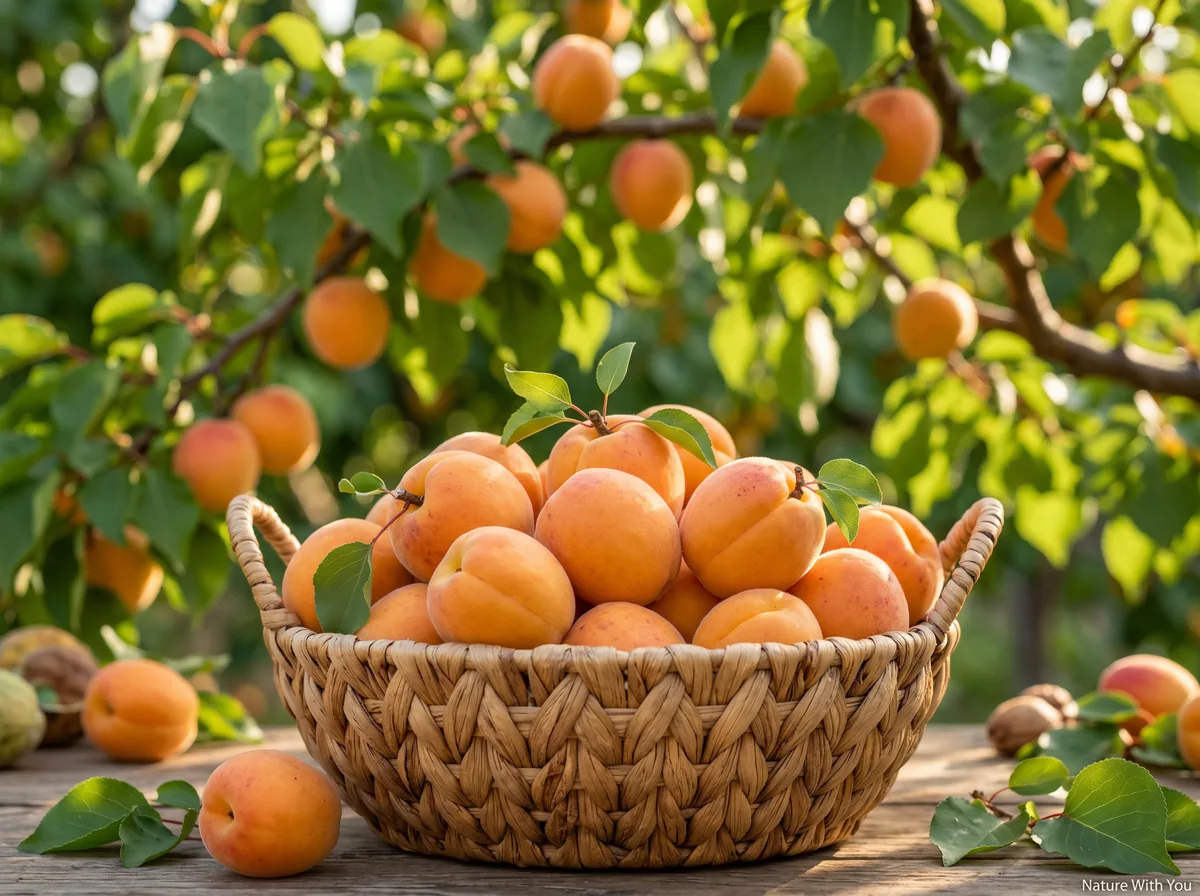
Apricot (Khubani) – The Golden Stone Fruit
Discover Apricot (Khubani), the golden stone fruit rich in beta-carotene, vitamin A, fiber, and potassium — supporting eyes, skin, digestion, and heart health, fresh or dried.
Tue, Jun 9, 2026 · 5 min read🍑 Apricot at a Glance
Apricot (Prunus armeniaca), known as Khubani in Hindi, is a small, velvety, golden-orange stone fruit with a sweet-tart flavour. Despite its size, it is rich in beta-carotene, vitamin A, vitamin C, fiber, and potassium. Enjoyed fresh in late spring and summer or dried throughout the year, apricots are a traditional source of natural energy and iron, supporting the eyes, skin, digestion, and heart.
✨ Why It’s Special
- 🧡 Rich in beta-carotene and vitamin A for healthy eyes and skin
- 🌾 Good source of fiber that supports digestion
- 💛 Dried apricots are concentrated in iron, potassium, and energy
- 🫀 Potassium and antioxidants support heart health
- 🍑 Naturally sweet yet relatively low in calories when fresh
🏺 Traditional / Ayurvedic Uses
Rasa (Taste): Madhura–Amla (Sweet–Sour) Virya (Potency): Ushna (Slightly Warming) Vipaka (Post-digestive): Madhura (Sweet) Dosha Effect: Pacifies Vata; balanced for Pitta when ripe and sweet; excess sour types may increase Pitta
Classical Applications:
- Valued as a nourishing (Brimhana) sweet fruit that builds tissue and energy
- Dried apricots traditionally eaten to relieve constipation and boost iron and stamina
- Considered grounding and Vata-pacifying, ideal as a natural sweet snack
- Soaked dried apricots are a gentle, easily digested food for recovery
💪 Health Benefits
- ✅ Eye Health: Beta-carotene converts to vitamin A, essential for vision
- ✅ Skin Health: Vitamin A, C, and antioxidants support clear, glowing skin
- ✅ Digestion: Fiber promotes regularity; soaked dried apricots ease constipation
- ✅ Heart Health: Potassium supports healthy blood pressure
- ✅ Energy & Iron: Dried apricots provide iron and quick natural energy
- ✅ Antioxidant Protection: Flavonoids help fight free radicals
- ✅ Bone Health: Provides potassium and trace minerals
- ✅ Hydration: Fresh apricots have good water content
🥗 Nutritional Information (Per 100g Apricot, Fresh)
| Nutrient | Amount |
|---|---|
| Calories | 48 kcal |
| Carbohydrates | 11 g |
| Fiber | 2 g |
| Protein | 1.4 g |
| Fat | 0.4 g |
| Vitamin A | 1926 IU |
| Vitamin C | 10 mg |
| Potassium | 259 mg |
Note: Dried apricots are far more concentrated — higher in calories, iron, potassium, and fiber per gram. Eat them in small handfuls, and choose unsulphured dried apricots where possible.
🔄 Quick Comparison: Apricot vs Mango — Golden Vitamin-A Fruits
| Feature | Apricot (Khubani) | Mango (Aam) |
|---|---|---|
| Best For | Eyes, skin, fiber, iron (dried) | Energy, immunity, vitamin C |
| Key Nutrient | Beta-carotene, fiber, potassium | Vitamin C, vitamin A, natural sugars |
| Taste | Sweet-tart | Rich, very sweet |
| Calories | 48 kcal/100g | 60 kcal/100g |
| Dosha Effect | Pacifies Vata | Pacifies Vata, ripe balances Pitta |
| Best Season | Late spring–summer | Summer |
| Also Great As | Dried fruit | Fresh, juice, shakes |
📅 Seasonal Availability
Fresh apricots are at their best in late spring and early summer. The Himalayan regions of India — especially Ladakh, Himachal Pradesh, and Kashmir — are famous for their apricots. Dried apricots (khubani) are available year-round and are a staple of Himalayan diets.
🛒 How to Choose & Store Apricot
- 🟠 Choose plump, deep golden-orange apricots that yield slightly to gentle pressure
- 👃 Ripe apricots have a sweet, fragrant aroma
- ❄️ Store ripe apricots in the fridge and eat within a few days
- 🪟 Ripen firm apricots at room temperature in a paper bag
- 🥡 Store dried apricots in an airtight container in a cool, dry place
🥄 How to Use / Consume
- 🍑 Eat fresh and ripe as a sweet, juicy snack
- 🥣 Add chopped apricots to yogurt, oats, or breakfast bowls
- 🥗 Toss into fruit and green salads for sweetness
- 🍯 Use soaked dried apricots in desserts like khubani ka meetha
- 🧃 Blend into smoothies and shakes
- 🍮 Stew gently with cardamom and a pinch of cinnamon for warm compotes
⚠️ Precautions
- ❗ Apricot kernels (seeds) contain amygdalin and should not be eaten raw in quantity — they can release cyanide
- ❗ Dried apricots are calorie- and sugar-dense — eat in small portions, especially if diabetic
- ❗ Sulphured dried apricots may trigger sensitivity in some people — choose unsulphured
- ❗ Excess intake may cause loose stools due to fiber and sorbitol
- ⚠️ Fresh, ripe apricots in normal amounts are safe and wholesome
🎉 Fun Facts
- 🌏 The botanical name Prunus armeniaca reflects a long association with Armenia, though apricots originated in China
- 🏔️ Ladakh and Hunza valleys are famous for apricots and apricot-oil traditions
- ☀️ Dried apricots were a prized energy food along the ancient Silk Road
- 🧡 Their orange colour comes from the same carotenoids that benefit the eyes
- 🍑 Apricots belong to the rose family, alongside peaches, plums, and cherries
🍽️ Popular Recipes to Try
- 🍮 Khubani ka Meetha: A Hyderabadi dessert of stewed dried apricots, served with cream
- 🥣 Apricot Oats Bowl: Top oats with chopped apricots, nuts, and honey
- 🧃 Apricot Smoothie: Blend apricots with yogurt and a touch of cardamom
- 🥗 Apricot Salad: Combine with greens, nuts, and a light dressing
- 🍯 Apricot Compote: Simmer with cardamom as a topping for desserts
Frequently Asked Questions (FAQs)
Q: Are dried apricots healthier than fresh? A: Both are healthy in different ways. Dried apricots are more concentrated in iron, potassium, fiber, and energy, making them great for stamina — but also higher in sugar and calories. Fresh apricots are more hydrating and lower in calories. Eat dried ones in small handfuls.
Q: Can I eat apricot kernels (seeds)? A: Not raw or in quantity. Apricot kernels contain amygdalin, which can release cyanide. While some traditional uses exist, eating raw kernels in any significant amount is unsafe.
Q: Are apricots good for the eyes? A: Yes. Apricots are rich in beta-carotene, which the body converts to vitamin A — a nutrient essential for healthy vision and eye protection.
Q: Can diabetics eat apricots? A: Fresh apricots in moderation are fine, as they are relatively low in calories with fiber. Dried apricots are much more sugar-dense, so diabetics should limit them and prefer small portions of fresh fruit.
Q: Why are apricots good for digestion? A: Their fiber promotes regularity, and soaked dried apricots have long been used as a gentle natural remedy for constipation due to fiber and sorbitol.
Related Items
Explore More: Fruits • Vegetables • Herbs • Natural Remedies • Seasonal Picks • Wellness Tips
📚 Sources
- USDA FoodData Central – Nutritional Information for Apricots, raw
- Erdogan-Orhan I, Kartal M. (2011). “Insights into research on phytochemistry and biological activities of Prunus armeniaca L. (apricot).” Food Research International
- Bhavaprakash Nighantu – Traditional classification of sweet fruits