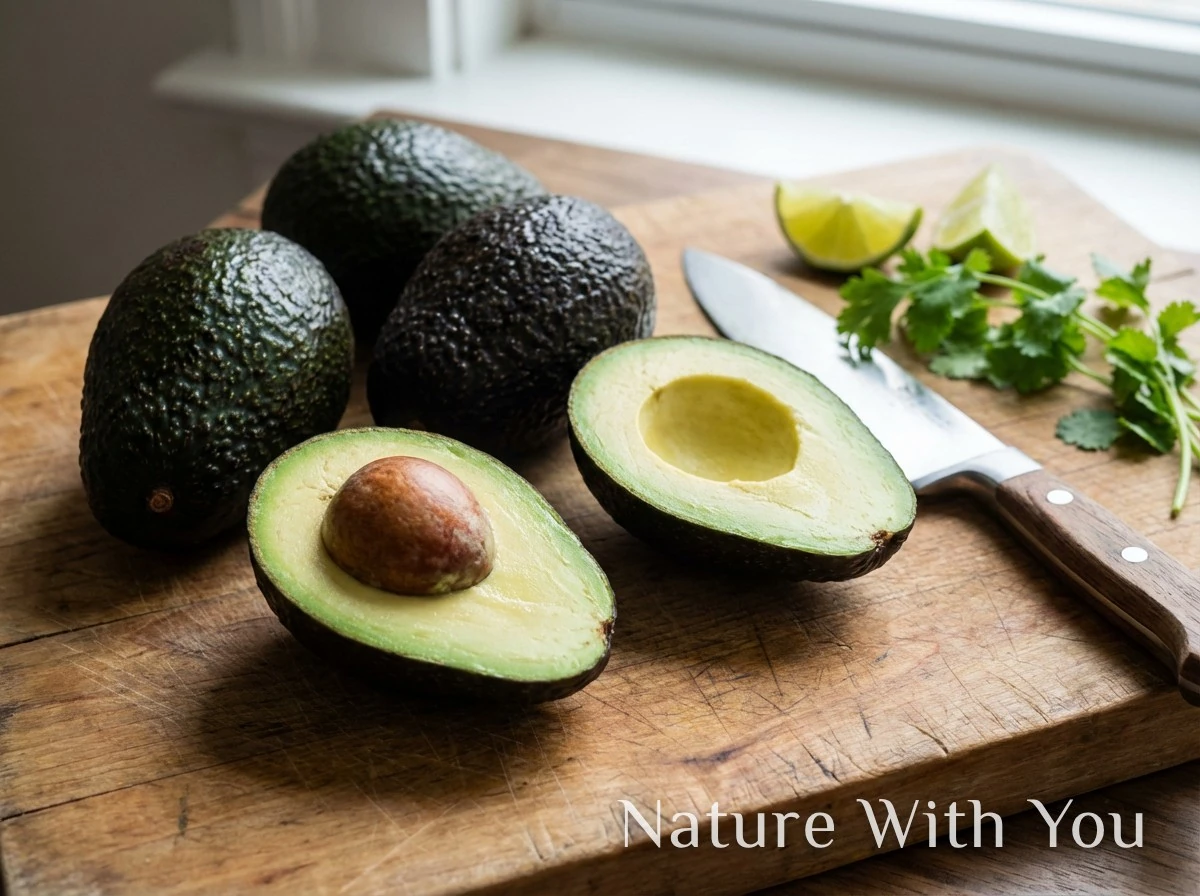
🥑 Avocado at a Glance
Avocado (Persea americana), also known as butter fruit in India, is a unique creamy superfood that stands apart from most fruits due to its remarkably high healthy fat content. Native to Central America and Mexico, avocado is now grown in parts of India — particularly Tamil Nadu, Karnataka, and Maharashtra — and widely available in urban markets across the country. Rich in heart-healthy monounsaturated fats (oleic acid), fiber, potassium, and essential vitamins, this versatile fruit is a staple in keto diets, wellness routines, and modern Indian kitchens alike.
✨ Why It’s Special
- 🧈 One of the fattiest fruits on Earth — yet almost all fat is heart-healthy monounsaturated oleic acid
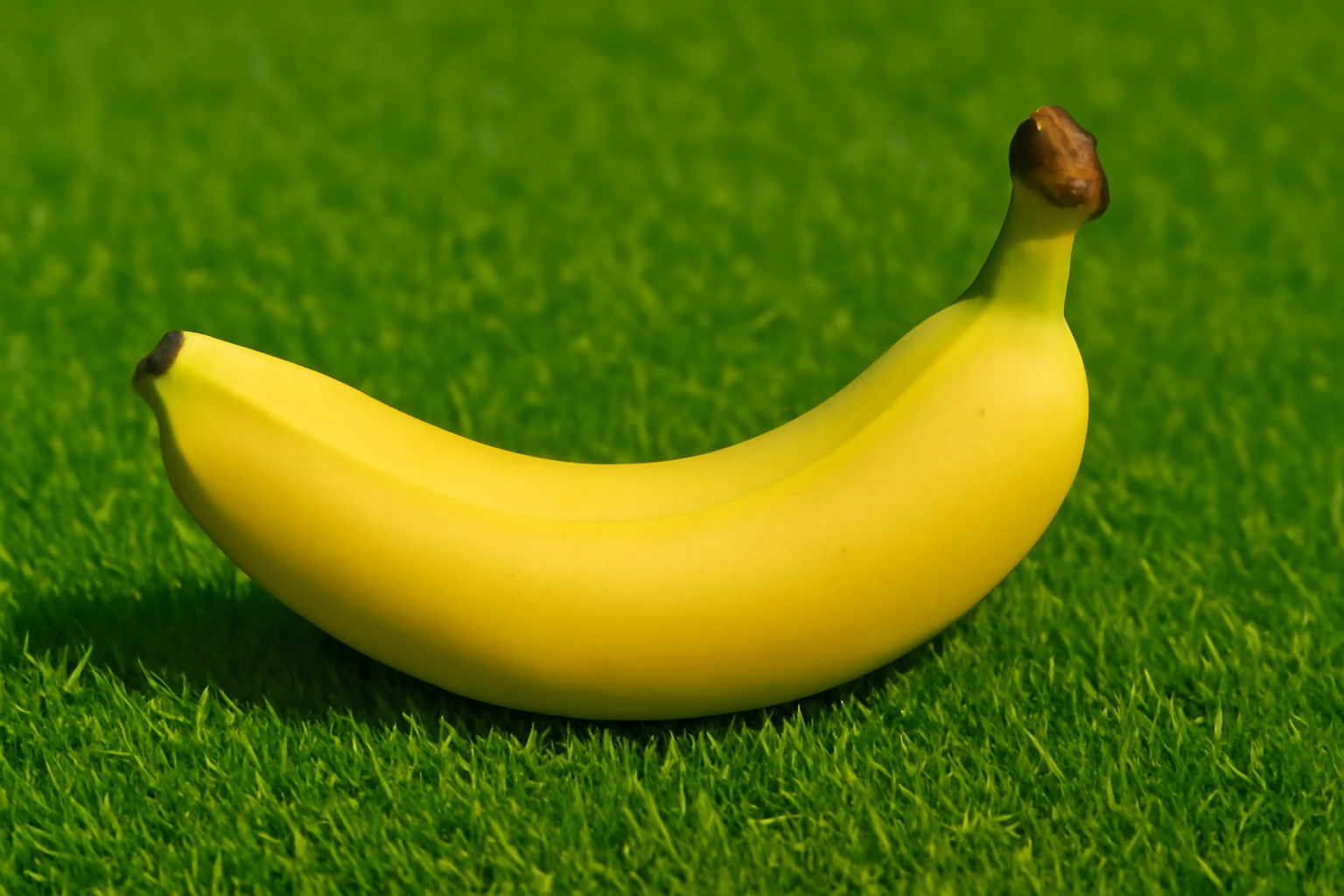
- 🥇 More potassium than a banana — 485 mg per 100g supports blood pressure and heart health
- 🧬 Nutrient absorption booster — healthy fats help the body absorb fat-soluble vitamins A, D, E, and K from other foods
- 🌿 Botanically a berry — despite its size and creamy texture, avocado is classified as a single-seeded berry
- 💎 Called “green gold” — one of the most commercially valuable fruits in the global market
💪 Health Benefits
- ✅ Rich in heart-healthy monounsaturated fats (oleic acid) — reduces LDL (bad) cholesterol and raises HDL (good) cholesterol
- ✅ Extremely high in potassium (485 mg/100g) — supports blood pressure regulation, nerve function, and heart rhythm
- ✅ Loaded with dietary fiber (6.7 g/100g) — promotes digestive health, feeds beneficial gut bacteria, and enhances satiety
- ✅ Supports weight management despite calorie density — high satiety factor reduces overall calorie intake
- ✅ Enhances nutrient absorption — fat-soluble vitamins A, D, E, K absorb 2–6x better when eaten with avocado
- ✅ Rich in antioxidants lutein and zeaxanthin — protects eyes from age-related macular degeneration and cataracts
- ✅ Powerful anti-inflammatory properties — oleic acid and polyphenols reduce chronic inflammation and disease risk
- ✅ Excellent source of folate (81 mcg/100g) — crucial for pregnancy, fetal neural tube development, and DNA synthesis
- ✅ Promotes healthy, glowing skin — vitamin E (2.1 mg) and healthy fats nourish skin from within and reduce UV damage
- ✅ Perfect for keto and low-carb diets — only 1.8g net carbs per 100g with 15g healthy fats
| Nutrient |
Amount |
| Calories |
160 kcal |
| Carbohydrates |
8.5 g |
| Natural Sugar |
0.7 g |
| Fiber |
6.7 g |
| Protein |
2.0 g |
| Total Fat |
15 g |
| Monounsaturated Fat |
10 g |
| Omega-3 Fatty Acids |
0.1 g |
| Potassium |
485 mg |
| Vitamin K |
21 mcg |
| Folate |
81 mcg |
| Vitamin E |
2.1 mg |
Note: Avocado is one of the few fruits where fat — not sugar — is the primary macronutrient. Half a medium avocado (~100g) provides more potassium than a medium banana and delivers 26% of your daily vitamin K needs.
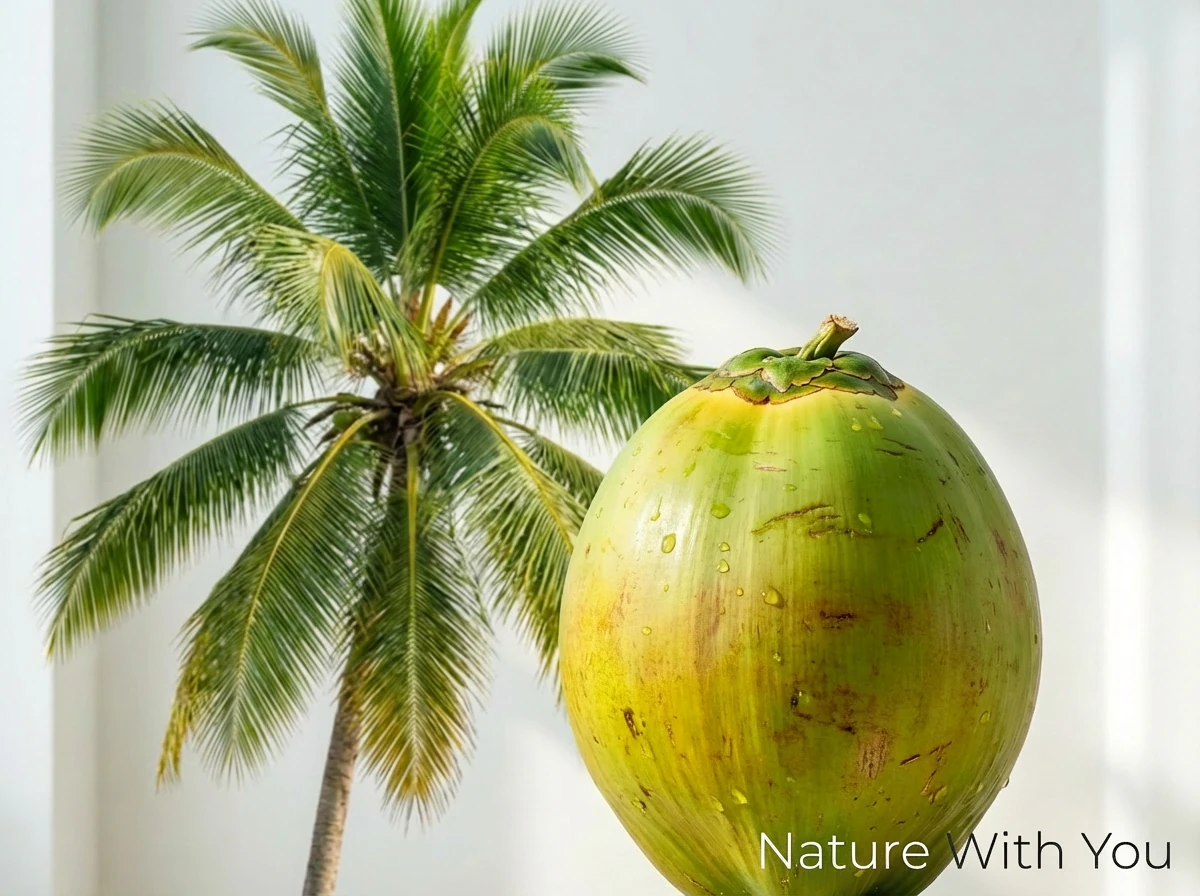
🔄 Quick Comparison: Avocado vs Coconut — Healthy Fats Face-Off
| Feature |
🥑 Avocado (100g) |
🥥 Coconut Meat (100g) |
| Calories |
160 kcal |
354 kcal |
| Total Fat |
15 g |
33.5 g |
| Dominant Fat Type |
Monounsaturated (oleic) |
Saturated (MCTs/lauric) |
| Fiber |
6.7 g |
9 g |
| Potassium |
485 mg |
356 mg |
| Sugar |
0.7 g |
6.2 g |
| Best For |
Heart health, keto |
Quick energy, antimicrobial |
| Availability (India) |
Urban supermarkets |
Widely available everywhere |
📅 Seasonal Availability
- 🌍 Year-round availability globally thanks to multiple growing regions across continents
- 🥑 Hass avocados (most popular variety) peak from spring through fall; bumpy dark skin when ripe
- 🌿 Fuerte avocados peak during winter months; smooth green skin, milder taste
- 📦 Imported to India primarily from Kenya, Mexico, Peru, and South America
- 🌱 Growing Indian cultivation in Tamil Nadu (Nilgiris, Kodaikanal), Karnataka (Coorg), and Maharashtra (Konkan belt)
🛒 How to Choose & Store Avocado
How to Choose
For Ripe (Ready to Eat):
- 👌 Yields to gentle pressure without feeling mushy
- 🟤 Dark green to almost black skin (for Hass variety)
- 🔘 Remove stem button — should reveal green underneath (brown = overripe)
- 🚫 No large indentations or overly soft spots
For Unripe (to Ripen at Home):
- 💚 Bright green, firm texture
- 💪 Doesn’t yield to pressure
- 🏠 Will ripen at room temperature in 3–7 days
Avoid:
- ❌ Very soft, mushy texture (overripe)
- ❌ Large dark spots or mold
- ❌ Severely dented or damaged skin
- ❌ Brown color under stem button (spoiled)
How to Store
- 🌡 Unripe avocados: Keep at room temperature to ripen naturally (3–7 days)
- 🍎 Speed ripening: Place in a paper bag with a banana or apple — ethylene gas accelerates ripening (1–3 days)
- 🧊 Ripe avocados: Refrigerate for 3–5 days to slow further ripening
- 🍋 Cut avocado: Brush exposed flesh with lemon/lime juice, wrap tightly in cling film, refrigerate (1–2 days)
- ❄ Freezing: Mash with lemon juice and freeze in airtight portions — not recommended for whole avocados
- 💡 Tip: Leave the pit in a cut half to slow oxidation and browning
🥄 How to Use / Consume
Fresh Consumption
- 🍞 Spread on toast with salt, pepper, and chili flakes (classic avocado toast)
- 🥗 Slice into salads, grain bowls, or poke bowls
- 🌯 Layer in wraps, sandwiches, and burgers for creaminess
- 🍳 Top scrambled eggs, omelets, or parathas
- 🥄 Eat directly with a spoon — seasoned with salt, pepper, and a squeeze of lime
Beverages
- 🥤 Blend into creamy green smoothies with banana and spinach
- 🍦 Make avocado milkshake with condensed milk (popular in Southeast Asia and South India)
- 🧃 Add to fresh juices for a velvety, rich texture
Cooked & Desserts
- 🥑 Classic guacamole — mashed with onion, tomato, cilantro, and lime
- 🧈 Use as a healthy mayo substitute in sandwiches and dips
- 🍰 Avocado chocolate mousse — blend with cocoa powder and honey for a guilt-free dessert
- 🍦 Prepare avocado ice cream or frozen popsicles
- 🥧 Bake avocado boats stuffed with egg, cheese, and herbs
Tips
- 🔪 Cut lengthwise around the pit, twist to separate halves
- 🥄 Scoop flesh with a spoon or slice within the skin before scooping
- 🍋 Always apply citrus juice to exposed flesh to prevent browning
- 🧂 Pairs beautifully with salt, pepper, chili flakes, lime, or everything bagel seasoning
⚠️ Precautions
- ❗ High in calories (160 kcal per 100g) — practice portion control, especially for weight management
- ❗ May cause allergic reactions in individuals with latex-fruit syndrome (cross-reactivity with latex, banana, kiwi)
- ❗ Contains tyramine — may trigger migraines in sensitive individuals
- ❗ High in vitamin K (21 mcg/100g) — may interfere with blood-thinning medications like warfarin; consult your doctor
- ❗ Large quantities may cause digestive upset, bloating, or loose stools due to high fat and fiber content
- ❗ The pit, skin, and leaves contain persin — toxic to dogs, cats, and birds; only consume the flesh
- ❗ Introduce gradually to babies after 6 months — start with small amounts and monitor for allergies
- ❗ Imported avocados may have pesticide residue — wash thoroughly before cutting
🎉 Fun Facts
- 🥑 Avocados are botanically classified as berries, not vegetables — they have a fleshy pulp and a single large seed
- 🌳 Avocado trees can live and produce fruit for over 100 years
- 🇲🇽 Mexico produces nearly 30% of the world’s avocados — Michoacan is the avocado capital
- 🏆 The word “avocado” comes from the Aztec Nahuatl word “āhuacatl” (meaning testicle, a reference to its shape)
- 💚 There are over 500 varieties of avocados worldwide, but Hass dominates 95% of the commercial market
- 🥇 Hass avocados are named after postman Rudolph Hass, who patented the variety in 1935 from a chance seedling
- 🌱 One mature avocado tree can produce 200–300 avocados per year
- 🎨 Avocado oil has an exceptionally high smoke point (520°F / 271°C) — higher than most cooking oils
- 🥑 Avocados never ripen on the tree — they only begin to soften after being picked
- 🌍 Global avocado consumption has tripled in the last 20 years, driven by health and wellness trends
🍽️ Popular Recipes to Try
- Classic Guacamole — mashed avocado with onion, tomato, cilantro, lime, and green chili
- Avocado Toast — smashed on sourdough with salt, pepper, chili flakes, and a poached egg
- Avocado Smoothie — blended with banana, spinach, yogurt, and honey
- California Sushi Rolls — rice rolls with avocado, cucumber, and crab stick
- Avocado Salad — sliced with cherry tomatoes, red onion, feta, and lime dressing
- Avocado Chocolate Mousse — blended with cocoa powder, maple syrup, and vanilla
- Baked Avocado Eggs — halved avocado baked with an egg, cheese, and herbs
Frequently Asked Questions (FAQs)
Q: How do I ripen avocados quickly?
A: Place unripe avocados in a paper bag with a banana or apple. These fruits release ethylene gas that accelerates ripening. Keep at room temperature and check daily — typically ripens in 1–3 days. For same-day use, wrap tightly in foil and bake at 200°F (90°C) for 10–15 minutes, though the texture will differ from naturally ripened fruit.
Q: How do I keep cut avocado from turning brown?
A: Browning is caused by oxidation when flesh is exposed to air. Prevent it by: (1) brushing the cut surface with lemon or lime juice, (2) keeping the pit in the unused half, (3) wrapping tightly in cling film to exclude air, (4) storing cut-side down in a container. Refrigerate immediately and use within 1–2 days.
Q: Are avocados good for weight loss?
A: Yes, despite being calorie-dense (160 kcal/100g). The combination of healthy fats and 6.7g fiber creates strong satiety, reducing overall calorie intake throughout the day. Studies show regular avocado consumption is linked to lower body weight and better diet quality. A typical serving is half an avocado (~100g).
Q: Can babies and pregnant women eat avocados?
A: Absolutely. For babies 6+ months, avocado is an ideal first food — creamy texture, mild flavor, and rich in healthy fats essential for brain development. For pregnant women, avocados provide folate (81 mcg/100g) which prevents neural tube defects, plus potassium and healthy fats. Start small for babies and watch for allergies.
Q: What’s the difference between Hass and Fuerte avocados?
A: Hass avocados are smaller with pebbly skin that turns dark purple-black when ripe, and have a rich, creamy, nutty flavor — they account for 95% of commercial production. Fuerte avocados are larger with smooth green skin that stays green when ripe, and have a milder, lighter taste. Both are nutritious; Hass is preferred for its richer flavor and creamier texture.
Q: Can I eat avocado on a keto diet?
A: Avocados are one of the best fruits for keto. Per 100g they have only 1.8g net carbs (8.5g total carbs minus 6.7g fiber), 15g healthy fats, and essential micronutrients. Half an avocado makes an ideal keto snack or meal component that supports ketosis while providing satiety and nutrition.
Explore More: Fruits • Vegetables • Herbs & Spices • Natural Remedies • Seasonal Picks • Wellness Tips
📚 Sources
- USDA FoodData Central — Avocados, raw, all commercial varieties (NDB #09037)
- Dreher, M.L. & Davenport, A.J. (2013). “Hass Avocado Composition and Potential Health Effects.” Critical Reviews in Food Science and Nutrition, 53(7), 738–750.
- National Institutes of Health (NIH) — Office of Dietary Supplements: Potassium, Folate, Vitamin K Fact Sheets
← Back to Fruits