


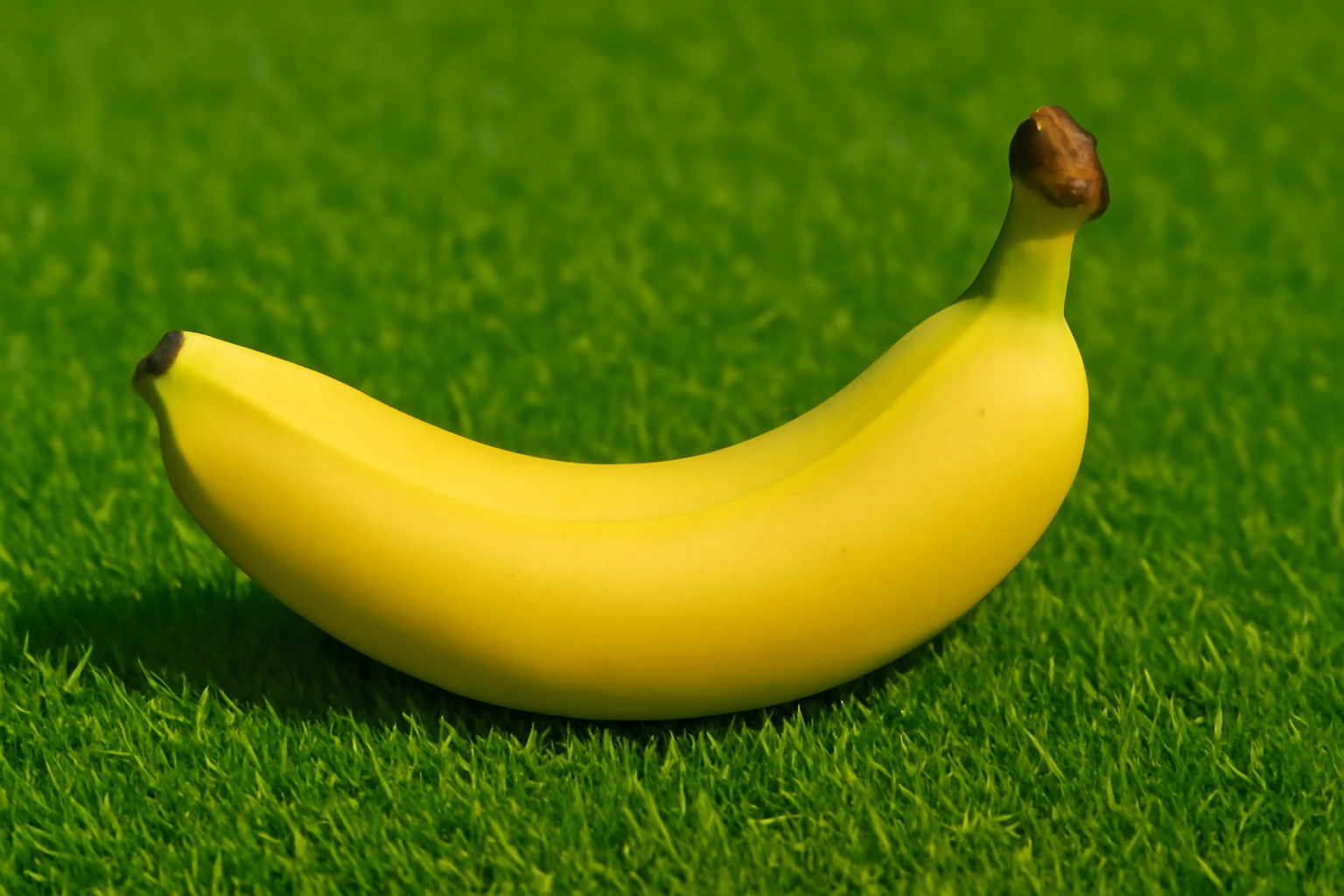
Banana - Quick source of Energy
Discover banana health benefits - a potassium-rich fruit packed with vitamin B6 and natural energy. Perfect pre-workout snack supporting heart health, digestion, and muscle recovery.
Sat, Jun 28, 2025Bananas are among the most consumed fruits worldwide, known for their soft texture and natural sweetness. Grown in tropical climates, bananas are rich in essential nutrients and provide a quick source of energy, making them a favorite among athletes and health-conscious individuals.
🍌 Banana at a Glance
Banana (Musa species) is the world’s most popular tropical fruit, beloved for its creamy texture, natural sweetness, and remarkable convenience as a ready-to-eat snack. Packed with potassium, vitamin B6, and natural sugars, bananas are nature’s ultimate energy bar. India is the world’s largest producer of bananas, contributing nearly 30% of global production, with major growing regions in Tamil Nadu, Maharashtra, Gujarat, Karnataka, and Andhra Pradesh. Known as “kela” (केला) in Hindi, the banana holds deep cultural significance in India — offered in temples, used in religious ceremonies, and even the banana leaf serves as a traditional plate in South Indian cuisine. With over 1,000 varieties worldwide, India alone grows dozens of distinct cultivars including Robusta, Yelakki (Elaichi), Nendran, Red Banana, and the tiny sweet Chini Champa.
✨ Why It’s Special
- 🇮🇳 India is the world’s #1 banana producer, growing over 30 million tonnes annually — more than any other country
- ⚡ Nature’s perfect energy snack — the combination of natural sugars (glucose, fructose, sucrose) with fiber provides both instant and sustained energy
- 🧬 Technically an herb, not a tree — the banana plant is the world’s largest herbaceous plant, with no woody trunk
- 🍽️ Zero-waste fruit in Indian culture — the fruit, flower (banana blossom), stem, and leaves are all used in cooking, serving, and traditional medicine
- 💊 Rich in vitamin B6 — a single banana provides 25% of daily B6 needs, crucial for brain health and mood regulation
💪 Health Benefits
- ✅ Excellent source of potassium — 422mg per medium banana helps regulate heart rhythm, muscle contractions, and blood pressure
- ✅ Provides quick, sustained energy — the blend of natural sugars and fiber makes bananas an ideal pre- and post-workout snack
- ✅ Supports digestive health — contains both soluble fiber (pectin) and resistant starch (especially in green bananas) that feed beneficial gut bacteria
- ✅ Heart health booster — potassium and magnesium work together to lower blood pressure and reduce the risk of heart disease
- ✅ Mood enhancer — contains tryptophan, which the body converts to serotonin (the “feel-good” neurotransmitter), plus vitamin B6 for dopamine production
- ✅ Supports kidney health — regular potassium intake from bananas is linked to a 33% lower risk of kidney disease in multiple studies
- ✅ May improve insulin sensitivity — resistant starch in unripe bananas can improve insulin response and lower blood sugar after meals
- ✅ Aids muscle recovery — potassium and magnesium help prevent muscle cramps and speed recovery after exercise
- ✅ Supports bone health — prebiotic fiber (fructooligosaccharides) in bananas enhances calcium absorption in the body
- ✅ Natural antacid effect — bananas help coat the stomach lining and may reduce heartburn and ulcer symptoms
🥗 Nutritional Information (Per 100g Banana)
| Nutrient | Amount |
|---|---|
| Calories | 89 kcal |
| Total Carbs | 22.8 g |
| Dietary Fiber | 2.6 g |
| Sugars | 12.2 g |
| Protein | 1.1 g |
| Fat | 0.3 g |
| Vitamin B6 | 0.367 mg |
| Potassium | 358 mg |
| Magnesium | 27 mg |
| Vitamin C | 8.7 mg |
Note: The nutritional profile of bananas changes significantly as they ripen. Green (unripe) bananas are higher in resistant starch (up to 80% of carbs), which acts like fiber and benefits gut health. As bananas ripen, this starch converts to sugars, making ripe bananas sweeter but with a higher glycemic index.
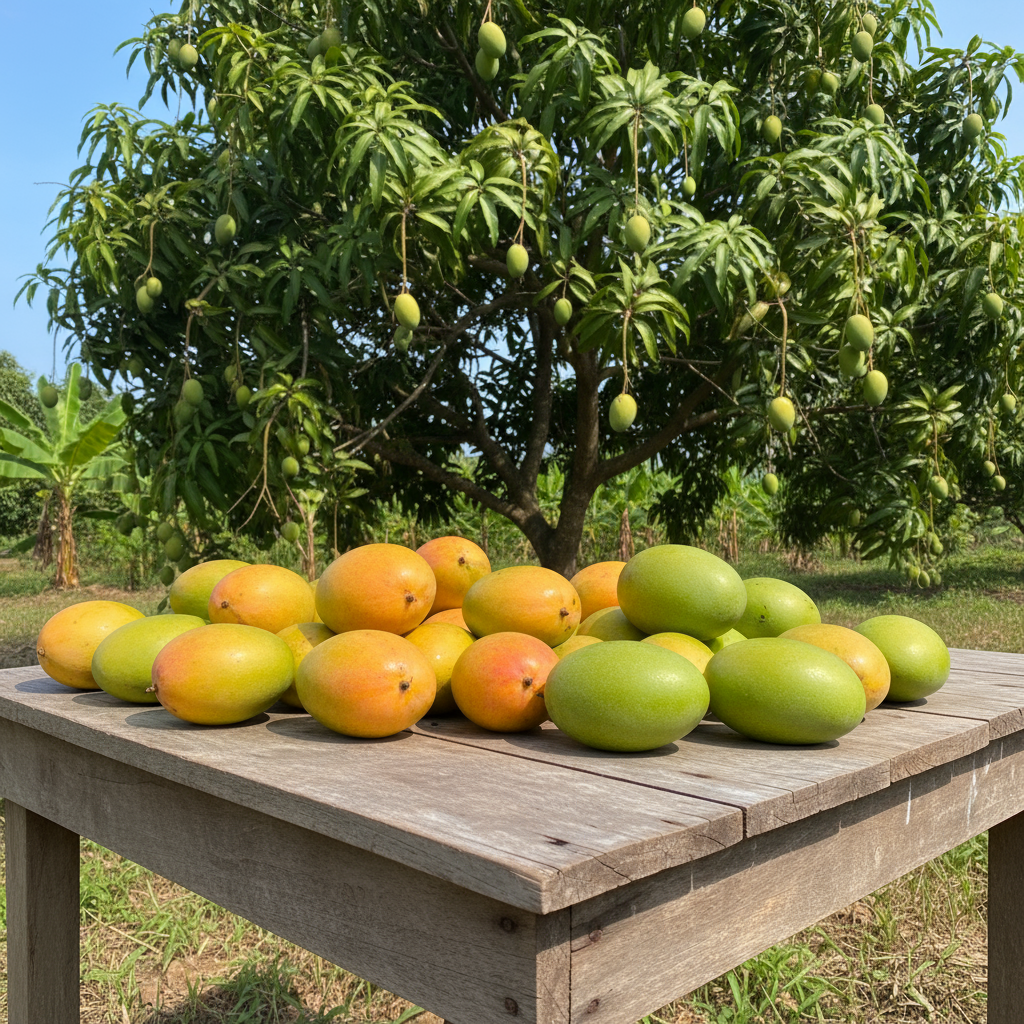
🔄 Quick Comparison: Banana vs Mango — Energy Staple vs Tropical King
| Feature | Banana 🍌 | Mango 🥭 |
|---|---|---|
| Calories (per 100g) | 89 kcal | 60 kcal |
| Fiber (per 100g) | 2.6 g | 1.6 g |
| Vitamin C (per 100g) | 8.7 mg | 36.4 mg |
| Potassium | 358 mg | 168 mg |
| Glycemic Index | ~51 (Medium) | ~56 (Medium) |
| Key Nutrient | Vitamin B6, Potassium | Vitamin A, Vitamin C |
| Availability (India) | Year-round | April–July (seasonal) |
| Best For | Quick energy, workouts | Immunity, skin health |
📅 Seasonal Availability
- 📆 Available year-round in India — bananas are one of the few fruits with no off-season, thanks to tropical growing conditions
- 🌴 Major Indian growing states: Tamil Nadu, Maharashtra, Gujarat, Karnataka, Andhra Pradesh, and Kerala
- 🍌 Peak production months: September to March, though harvesting occurs throughout the year
- 🌍 Global availability: Bananas are the most traded fruit worldwide, available in virtually every country year-round
- 🏪 Variety spotlight: Elaichi (small, fragrant), Nendran (Kerala cooking banana), Red Banana (antioxidant-rich), and Robusta (the common yellow banana) are all widely available across India
🛒 How to Choose & Store Banana
How to Choose
- For immediate eating: choose fully yellow bananas with small brown spots — these are at peak sweetness and nutrition
- For use in 2–3 days: choose bananas that are yellow with green tips
- Avoid bananas with large dark patches, soft mushy spots, or split skins (signs of overripeness or damage)
- Firm stems indicate freshness — avoid bananas with dry, shriveled stems
- For cooking (like Kerala’s Nendran), choose green, firm bananas
How to Store
- Room temperature: Store at room temperature away from direct sunlight; bananas ripen in 2–5 days
- Slow ripening: Separate bananas from the bunch and wrap each stem in plastic wrap to slow ethylene release
- Speed up ripening: Place in a paper bag with an apple or ripe banana
- Refrigerating: Once ripe, refrigerate to extend freshness by 4–5 days — the peel will darken but the fruit inside stays fresh
- Freezing: Peel and freeze overripe bananas for smoothies, baking, or banana ice cream
🥄 How to Use / Consume
Fresh Consumption
- 🍌 Eat raw as a quick, portable snack — the most common and convenient way
- 🥣 Slice into cereal, oatmeal, or yogurt for a natural sweetener and energy boost
- 🍯 Top toast with sliced banana, peanut butter, and a drizzle of honey
Beverages
- 🥤 Banana smoothie — blend with milk, honey, and a pinch of cardamom (classic Indian shake)
- 🥛 Banana lassi — blend with yogurt, sugar, and cardamom for a creamy Indian drink
- 🍫 Chocolate banana shake — blend with cocoa powder, milk, and a date for natural sweetness
Cooked & Desserts
- 🍰 Banana bread — the classic way to use overripe bananas
- 🍮 Kerala Pazham Pori (Ethakka Appam) — banana fritters deep-fried in a sweet batter, a beloved South Indian snack
- 🥞 Banana pancakes — mash banana into pancake batter for natural sweetness
- 🍨 Banana ice cream — freeze ripe bananas and blend for a one-ingredient dairy-free dessert
- 🫕 Banana chips — thin-sliced and fried in coconut oil, a popular Kerala snack
Tips
- Green bananas are better for blood sugar control; ripe bananas are better for quick energy
- Mash overripe bananas into baking recipes as a natural egg and sugar substitute
- Banana peels can be composted or even used in cooking (banana peel curry is a South Indian tradition)
⚠️ Precautions
- ❗ High in natural sugars — ripe bananas have a medium GI (~51); diabetics should limit portions and prefer slightly green bananas
- ❗ Excess potassium risk — people with kidney disease should limit banana intake, as impaired kidneys cannot efficiently remove excess potassium
- ❗ May cause constipation — unripe (green) bananas contain high resistant starch that can cause constipation in some individuals
- ❗ Migraine trigger — bananas contain tyramine, which may trigger headaches or migraines in susceptible individuals
- ❗ Latex-fruit syndrome — people allergic to latex may also react to bananas (cross-reactivity with proteins)
- ❗ Weight gain risk — at 89 calories per 100g, bananas are calorie-dense compared to many fruits; moderation is key for weight watchers
- ❗ Avoid on an empty stomach if acid-prone — the high magnesium content may cause discomfort for those with acid reflux
- ❗ Tooth decay — the sticky, sugary texture of ripe bananas can cling to teeth; rinse mouth after eating
🎉 Fun Facts
- 🍌 Bananas float in water — just like apples and watermelons, their density is lower than water
- 🌿 The banana plant is technically the world’s largest herb — it has no woody trunk, just tightly packed leaf sheaths
- 📦 Over 1,000 banana varieties exist worldwide, but the Cavendish accounts for nearly 50% of global production
- 😊 Bananas contain tryptophan and vitamin B6, both of which help the body produce serotonin — the “happiness hormone”
- 🇮🇳 India produces over 30 million tonnes of bananas annually, more than any other country, yet exports very little — most are consumed domestically
- 🌡️ Bananas are naturally slightly radioactive due to their potassium content (potassium-40 isotope), but the amount is completely harmless
- 🧬 All commercial Cavendish bananas are genetic clones of each other — they’re propagated from cuttings, not seeds
- 🍽️ In South India, banana leaves are used as plates — they’re eco-friendly, biodegradable, and are believed to add subtle flavor to food
- 📜 Bananas have been cultivated for at least 7,000 years, with origins traced to Papua New Guinea and Southeast Asia
- 🏃 Marathon runners often eat bananas mid-race — studies show they are as effective as sports drinks for sustaining performance
🍽️ Popular Recipes to Try
- 🍌 Kerala Pazham Pori — ripe banana fritters dipped in sweet batter and deep-fried, served with tea
- 🍰 Classic Banana Bread — moist, sweet bread made with overripe bananas, walnuts, and cinnamon
- 🥤 Banana Cardamom Milkshake — blend banana with cold milk, cardamom, and a touch of honey
- 🍨 One-Ingredient Banana Ice Cream — frozen bananas blended until creamy; add cocoa or berries for variations
- 🫕 Kerala Banana Chips — thin slices of raw banana fried in coconut oil with a pinch of turmeric
- 🥞 Banana Oat Pancakes — mashed banana with oats and eggs for a healthy, high-protein breakfast
- 🍮 Banana Sheera (Halwa) — mashed banana cooked with semolina, ghee, sugar, and cardamom
Frequently Asked Questions (FAQs)
Q: Can I eat bananas every day? A: Yes, eating 1–2 bananas daily is safe and beneficial for most people. They provide essential nutrients, energy, and support heart health. However, people with kidney disease should limit intake due to high potassium content.
Q: Are green bananas healthier than ripe ones? A: It depends on your goal. Green (unripe) bananas are higher in resistant starch, which benefits gut health and blood sugar control, making them better for diabetics. Ripe bananas have more antioxidants and are easier to digest, providing quick energy.
Q: Is it true that bananas cause constipation? A: This is a common myth. Ripe bananas actually help relieve constipation due to their fiber content. However, unripe (green) bananas contain resistant starch that may cause constipation in some people if eaten in excess.
Q: When is the best time to eat a banana? A: Bananas are ideal as a pre-workout snack (30–60 minutes before exercise) for quick energy or as a breakfast addition. Avoid eating on an empty stomach if you have acid reflux, and pair with protein for sustained energy.
Q: Can diabetics eat bananas? A: Yes, in moderation. Bananas have a medium glycemic index (around 51). Choose slightly green bananas over fully ripe ones, limit to half or one small banana per serving, and pair with protein or healthy fats to minimize blood sugar spikes.
Q: How do I store bananas to prevent quick ripening? A: To slow ripening, separate bananas from the bunch, wrap the stems in plastic wrap, and store away from other fruits. For faster ripening, keep them in a paper bag with an apple. Refrigerate ripe bananas to extend shelf life — the peel will darken but the fruit stays fresh.
Related Items
Explore More: Fruits • Vegetables • Herbs & Spices • Natural Remedies • Seasonal Picks • Wellness Tips
📚 Sources
- USDA FoodData Central — Bananas, raw. U.S. Department of Agriculture. https://fdc.nal.usda.gov/
- Nieman, D.C. et al. (2012). Bananas as an Energy Source during Exercise: A Metabolomics Approach. PLOS ONE, 7(5), e37479.
- Singh, B. et al. (2016). Bioactive compounds in banana and their associated health benefits. Food Chemistry, 206, 1–11.