


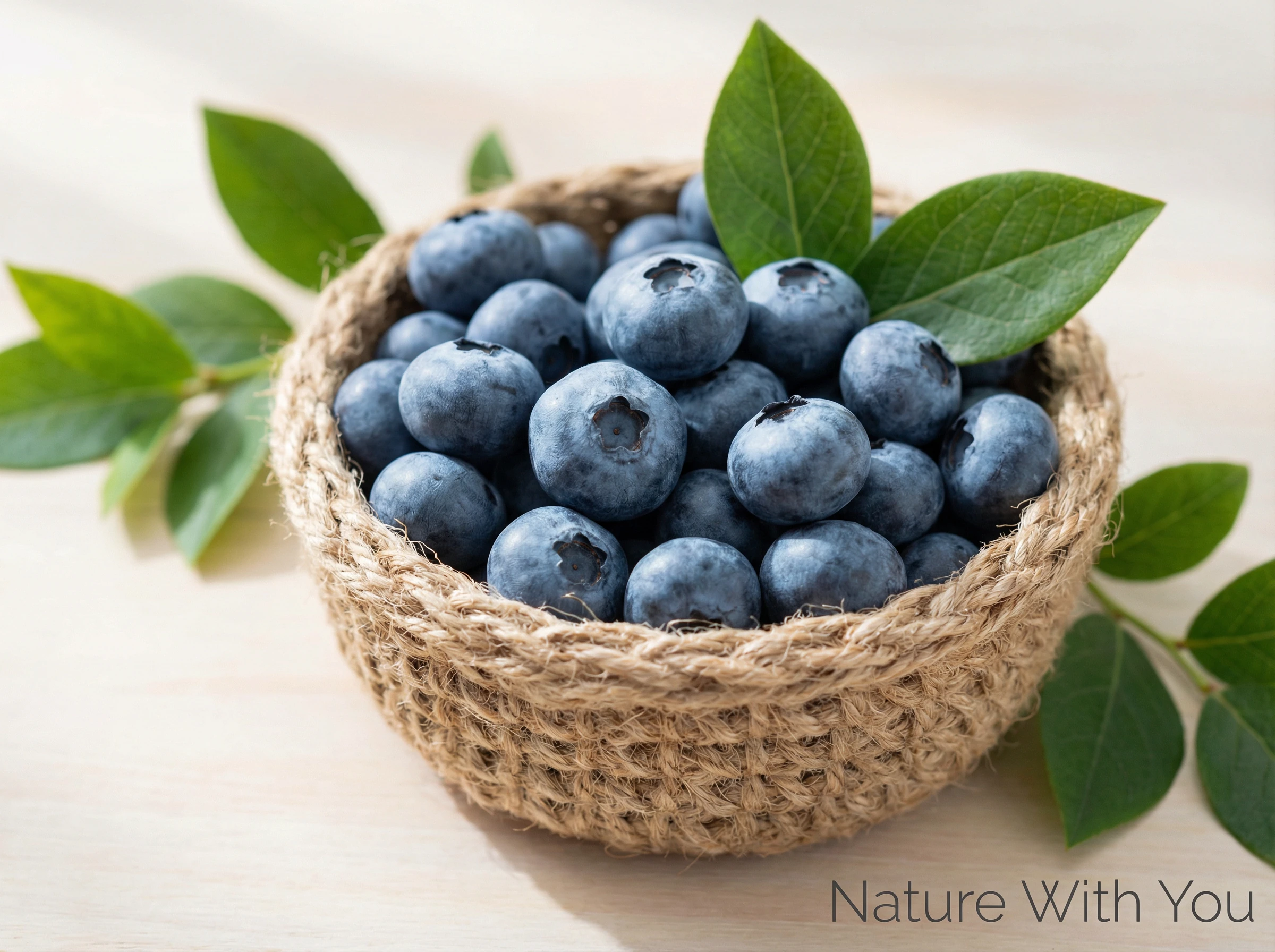
Blueberry - Antioxidant King for Brain Health
Discover blueberry benefits - antioxidant-rich superfood for brain health, memory, and anti-aging. Learn nutrition facts, health benefits, and how to enjoy fresh blueberries.
Sun, Dec 28, 2025Blueberries (Vaccinium section Cyanococcus) are small, blue-purple berries celebrated as one of nature's most powerful superfoods. Extremely rich in antioxidants—particularly anthocyanins that give them their vibrant color—blueberries support brain health, improve memory and cognitive function, protect against aging, and reduce chronic disease risk. Packed with vitamin C, vitamin K, fiber, and manganese, they offer impressive health benefits in a low-calorie package. Available fresh in summer and frozen year-round, blueberries are perfect for smoothies, baking, salads, and snacking.
🫐 Blueberry at a Glance
Blueberries are tiny blue gems packed with more antioxidants than almost any other fruit. Renowned for their brain-boosting anthocyanins, they support cognitive health, memory, heart function, and cellular protection against aging. In India, blueberries are gaining popularity as an imported superfood available in premium stores and urban markets, prized for their unique sweet-tart flavour and unmatched nutritional profile.
✨ Why It’s Special / Importance
- 🏆 Highest antioxidant activity among all common fresh fruits, according to USDA research
- 🧠 Brain superfood — anthocyanins cross the blood-brain barrier and accumulate in memory centres
- 💙 Anthocyanin powerhouse — the very pigment that gives blueberries their colour is a potent disease-fighter
- ❄️ Freezer-friendly nutrition — frozen blueberries retain nearly all antioxidants, making them accessible year-round
- 🔬 NASA-approved — selected as space food for astronauts due to exceptional nutrient density
💪 Health Benefits
- ✅ Exceptionally high in antioxidants — one of the highest among all fruits
- ✅ Rich in anthocyanins — support brain health, memory, and cognitive function
- ✅ Improves heart health by reducing blood pressure and cholesterol
- ✅ Powerful anti-aging properties — protects cells from oxidative damage
- ✅ May reduce risk of chronic diseases (heart disease, diabetes, cancer)
- ✅ Supports eye health and may prevent age-related vision decline
- ✅ Anti-inflammatory effects reduce chronic inflammation
- ✅ Promotes healthy digestion with fiber and prebiotics
- ✅ May improve insulin sensitivity and blood sugar control
- ✅ Supports immune system with vitamin C and antioxidants
🥗 Nutritional Information (Per 100g Blueberries)
| Nutrient | Amount |
|---|---|
| Calories | 57 kcal |
| Carbohydrates | 14.5 g |
| Natural Sugar | 10.0 g |
| Fiber | 2.4 g |
| Protein | 0.7 g |
| Fat | 0.3 g |
| Vitamin C | 9.7 mg |
| Vitamin K | 19.3 mcg |
| Manganese | 0.3 mg |
| Potassium | 77 mg |
| Folate | 6 mcg |
Note: Blueberries contain exceptionally high levels of anthocyanins, powerful antioxidants not easily measured in standard nutrition tables. Wild blueberries can have up to twice the anthocyanin concentration of cultivated varieties.
🔄 Quick Comparison: Blueberry vs Strawberry — Berry Showdown
| Feature | 🫐 Blueberry (100g) | 🍓 Strawberry (100g) |
|---|---|---|
| Calories | 57 kcal | 32 kcal |
| Fiber | 2.4 g | 2.0 g |
| Vitamin C | 9.7 mg | 58.8 mg |
| Natural Sugar | 10.0 g | 4.9 g |
| Antioxidants | ⭐ Very High | High |
| Anthocyanins | ⭐ Extremely High | Moderate |
| Best For | Brain & Memory | Skin & Immunity |
| Availability (IN) | Imported / Premium | Seasonal / Affordable |
📅 Seasonal Availability
Blueberries are summer fruits with year-round frozen availability:
- ☀️ May to August (Peak season for fresh blueberries in temperate regions)
- 🌍 Year-round (Frozen and imported varieties available globally)
- 📦 Imported fresh to India from USA, Chile, and Peru
- ❄️ Frozen blueberries maintain nutritional value and are available year-round
- 🛒 Fresh and frozen widely available in urban supermarkets
🛒 How to Choose & Store Blueberries
How to Choose
For Fresh Blueberries:
- 💙 Deep blue-purple color with silvery “bloom” (natural protective coating)
- 🍇 Plump, firm berries of uniform size
- 🚫 Dry appearance (not wet or sticky)
- 👃 Fresh, slightly sweet aroma (not fermented)
- 📦 Check container bottom for mold or crushed berries
Avoid:
- ❌ Soft, mushy, or shriveled berries
- ❌ Mold or white fuzz
- ❌ Wet or leaking berries
- ❌ Red or green tinges (underripe)
How to Store
- 🧊 Fresh berries: Refrigerate unwashed in original container for 7–10 days
- 🚫 Don’t wash until use: Moisture accelerates spoilage
- 📦 Remove damaged berries: One moldy berry spreads quickly
- ❄️ Freezing: Wash, dry completely, spread on tray, freeze, then bag (lasts 10–12 months)
- 🌡️ Room temperature: Only for a few hours before eating
- 💡 Tip: Frozen blueberries are as nutritious as fresh and more economical
🥄 How to Use / Consume
Fresh Consumption
- 🍇 Eat as a healthy snack straight from the container
- 🥗 Add to fruit salads and green salads
- 🥣 Top yogurt, oatmeal, cereal, or breakfast bowls
- 🧇 Garnish pancakes, waffles, and French toast
- 🍰 Use in fruit platters and cheese boards
Beverages
- 🥤 Blend into smoothies and protein shakes
- 🧃 Make blueberry juice or lemonade
- 🫖 Add to infused water or iced tea
- 🍹 Muddle for cocktails and mocktails
Cooked & Desserts
- 🥞 Make blueberry pancakes or muffins
- 🥧 Bake into pies, tarts, and cobblers
- 🍰 Add to cakes and quick breads
- 🍯 Prepare blueberry jam or compote
- 🥣 Stir into warm oatmeal or porridge
- 🍦 Blend frozen berries into smoothie bowls or sorbet
- 🍨 Make blueberry ice cream
Tips
- 🌡️ Bring refrigerated berries to room temperature for maximum sweetness
- 🍯 Toss with honey or maple syrup for enhanced flavor
- 🍋 Add lemon zest to brighten taste in recipes
⚠️ Precautions
- ❗ May interact with blood thinners due to vitamin K content (consult doctor)
- ❗ Excessive consumption may cause digestive upset in some people
- ❗ Contains natural salicylates — avoid if aspirin-sensitive
- ❗ May temporarily turn stool greenish-black (harmless)
- ❗ Wash thoroughly to remove pesticides (or buy organic when possible)
- ❗ Allergic reactions are rare but possible in sensitive individuals
- ❗ Introduce gradually to babies after 6 months (potential allergen)
- ❗ High fiber intake from large quantities may cause bloating
🎉 Fun Facts
- 🏆 Blueberries rank #1 in antioxidant activity among fresh fruits
- 🇺🇸 North America is the native home of blueberries
- 💙 The blue color comes from anthocyanins, powerful antioxidants
- 🌍 Over 450 million pounds of blueberries are consumed in the US annually
- 🧠 Studies show regular blueberry consumption improves memory and slows cognitive decline
- 🌿 Wild blueberries are smaller but contain more antioxidants than cultivated varieties
- 🎨 Blueberries were used by Native Americans as natural dye
- 🌸 Blueberry bushes can live and produce fruit for over 50 years
- 🍰 July is National Blueberry Month in the United States
- 🔬 NASA selected blueberries as space food for astronauts due to exceptional nutrition
🍽️ Popular Recipes to Try
- Blueberry Smoothie Bowl (Nutrient-packed breakfast)
- Blueberry Muffins (Classic baked treat)
- Blueberry Pancakes (Weekend breakfast favorite)
- Blueberry Pie (Traditional dessert)
- Blueberry Yogurt Parfait (Healthy layered snack)
- Blueberry Overnight Oats (Easy meal prep)
- Blueberry Lemon Cake (Moist and flavorful)
Frequently Asked Questions (FAQs)
Q: Are frozen blueberries as healthy as fresh? A: Yes! Frozen blueberries are often frozen at peak ripeness, preserving nutrients. Studies show frozen blueberries retain antioxidants, vitamins, and anthocyanins comparable to fresh. They’re more economical, available year-round, and convenient for smoothies and baking. Both fresh and frozen are excellent choices.
Q: Should I buy organic blueberries? A: Ideally, yes. Blueberries often appear on the “Dirty Dozen” list of produce with higher pesticide residues. Organic blueberries reduce exposure to pesticides, especially important for children and pregnant women. If organic isn’t available, wash conventionally grown berries thoroughly under running water.
Q: How many blueberries should I eat daily? A: A serving of 1/2 to 1 cup (75–150g) daily provides significant health benefits. Studies showing cognitive and heart health improvements often use 1/2 to 1 cup daily. Blueberries are safe to eat more, but balance with variety in your diet.
Q: Do blueberries really improve brain health? A: Yes, compelling research supports this. Blueberries' anthocyanins cross the blood-brain barrier, accumulating in brain regions governing learning and memory. Multiple studies show improved memory, delayed cognitive aging, and better executive function in regular blueberry consumers—especially older adults.
Q: How should I store fresh blueberries? A: Refrigerate unwashed blueberries in their original container or breathable container lined with paper towels. Don’t wash until ready to eat (moisture promotes mold). Remove any damaged berries immediately. Fresh blueberries stay fresh 7–10 days refrigerated. For longer storage, freeze them.
Q: What’s the difference between wild and cultivated blueberries? A: Wild (lowbush) blueberries are smaller, more intense in flavor, and contain higher antioxidant levels. Cultivated (highbush) blueberries are larger, plumper, milder, and more widely available commercially. Both are highly nutritious; wild blueberries edge ahead in antioxidant concentration. Choose based on availability and preference.
Related Items
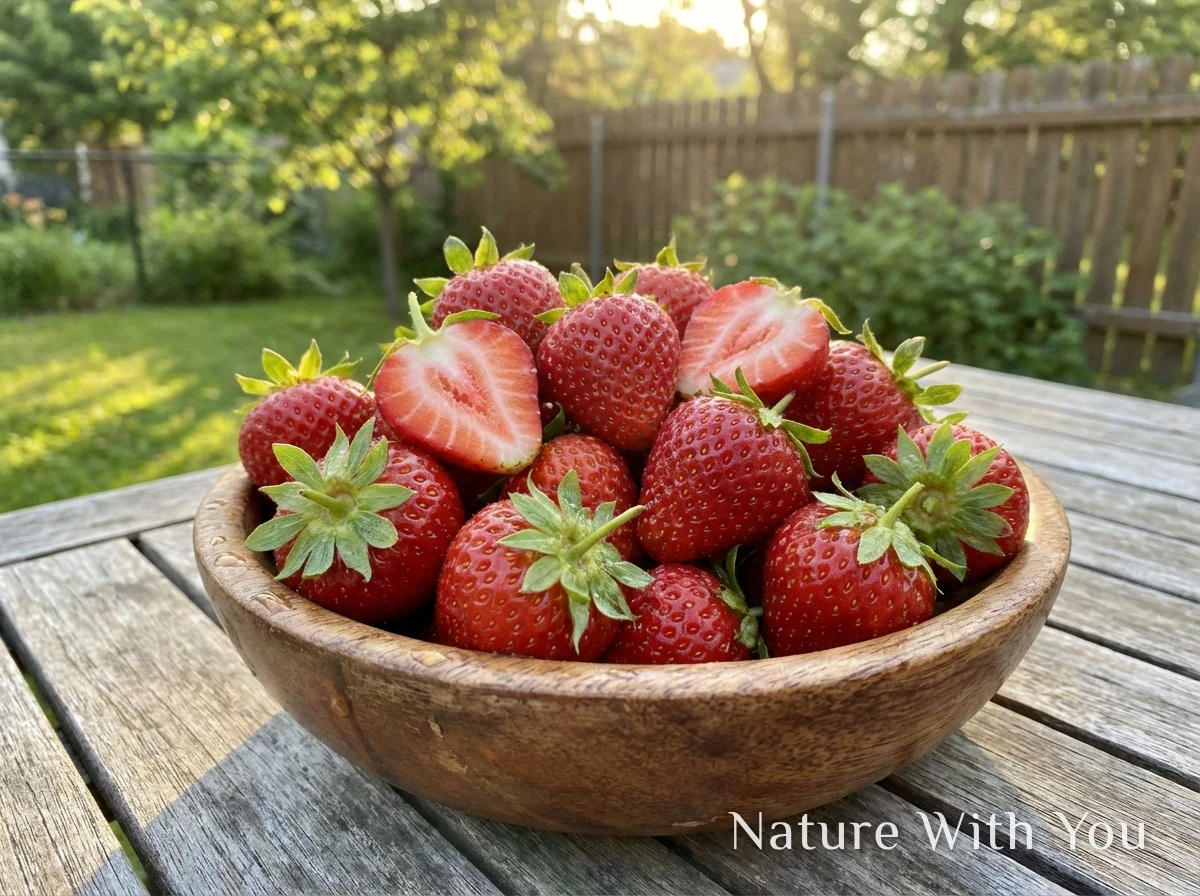
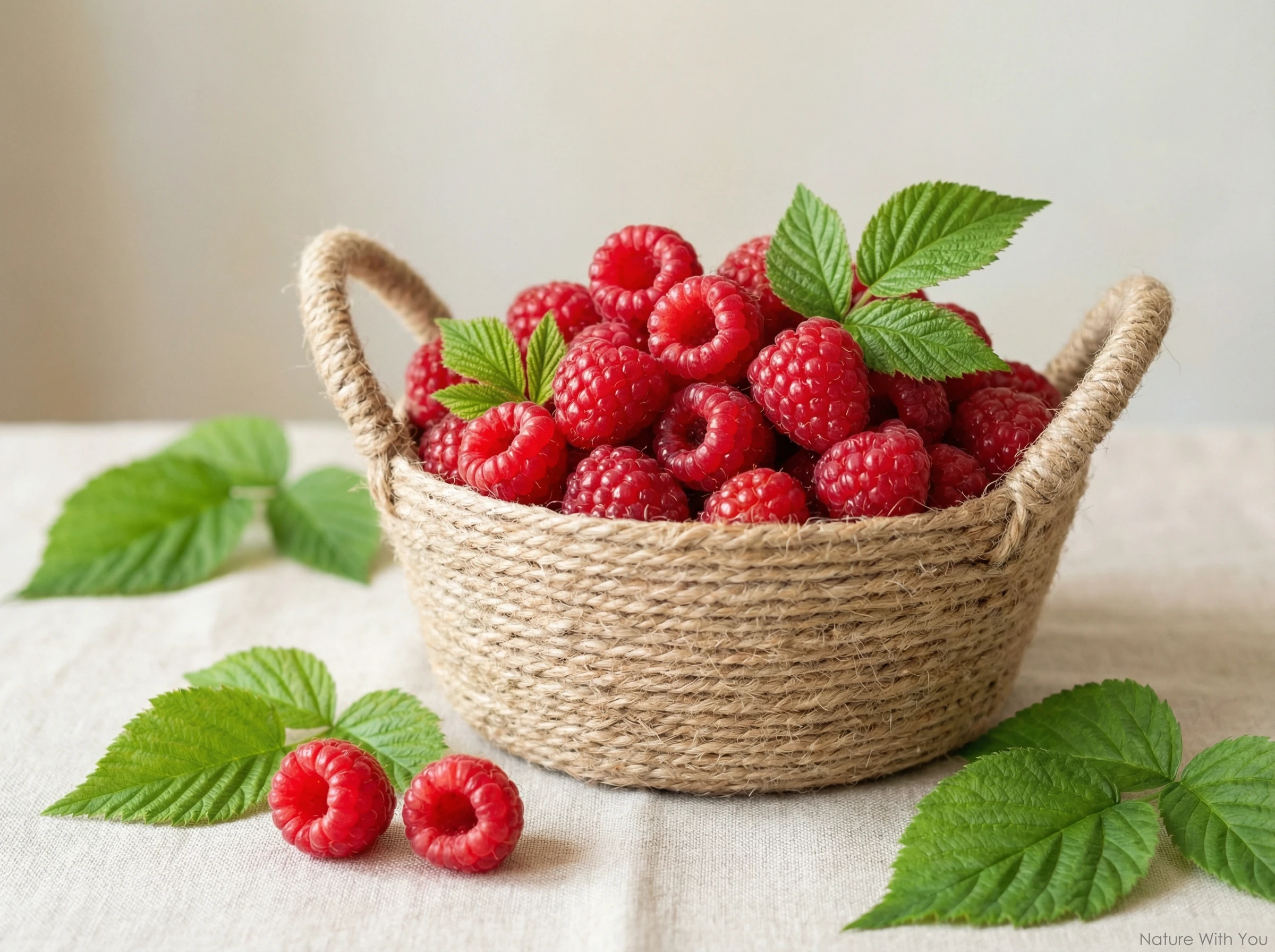
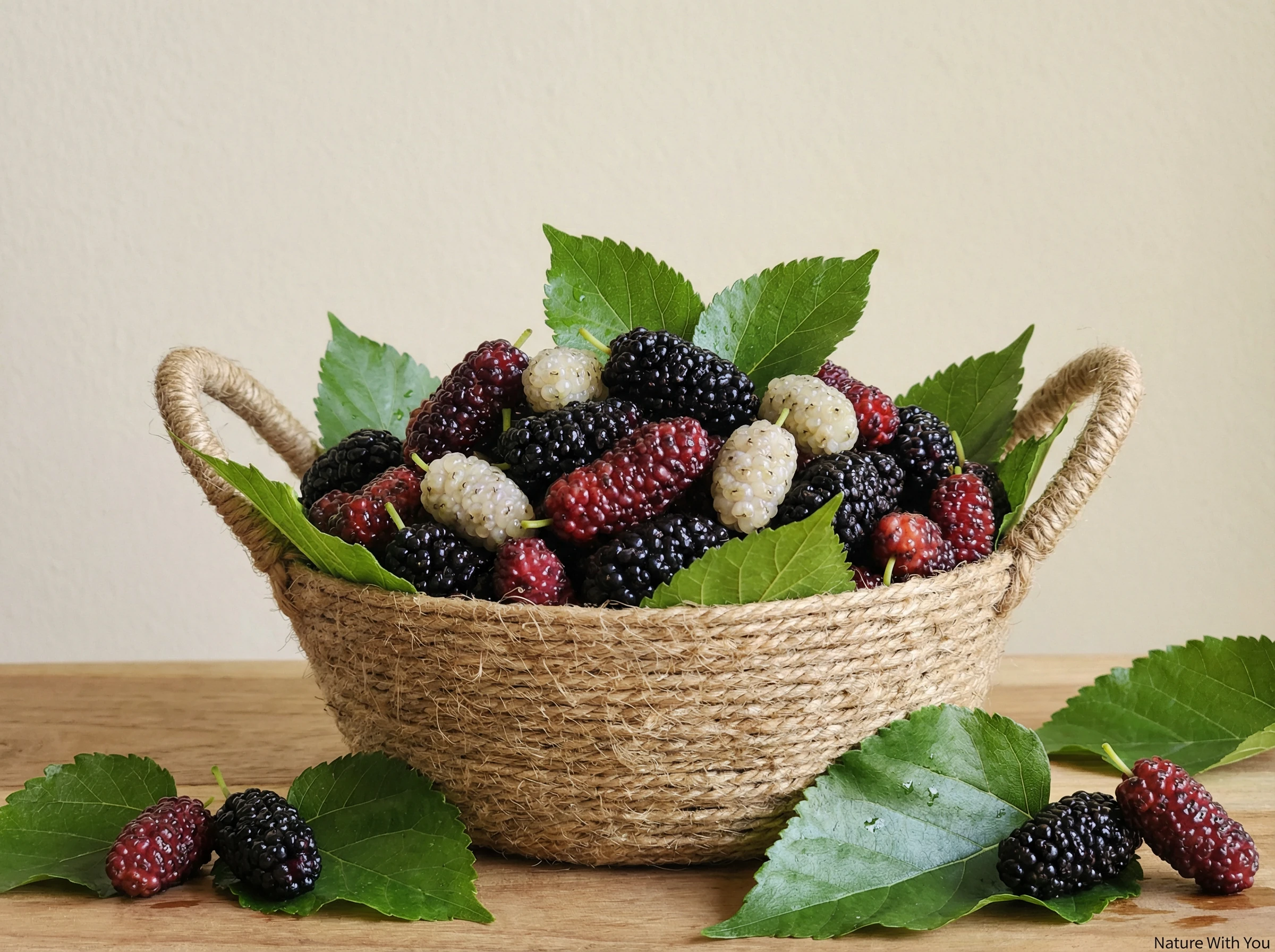
Explore More: Fruits • Vegetables • Herbs & Spices • Natural Remedies • Seasonal Picks • Wellness Tips
📚 Sources
- USDA FoodData Central — Blueberries, raw (NDB 09050)
- Devore, E.E. et al. (2012). “Dietary intakes of berries and flavonoids in relation to cognitive decline.” Annals of Neurology, 72(1), 135–143.
- Krikorian, R. et al. (2010). “Blueberry supplementation improves memory in older adults.” Journal of Agricultural and Food Chemistry, 58(7), 3996–4000.