


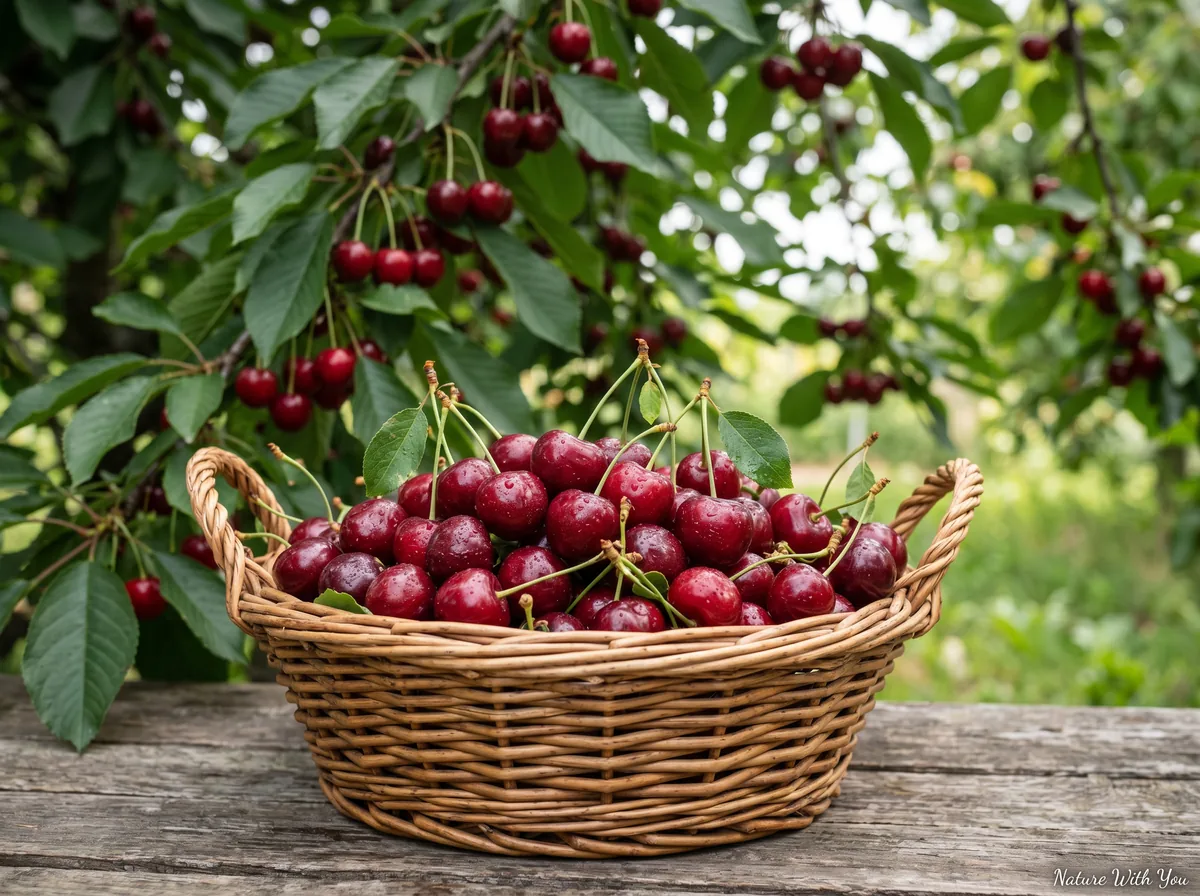
Cherry – The Antioxidant Ruby
Discover Cherry, the ruby-red summer fruit rich in anthocyanin antioxidants and natural melatonin — known for fighting inflammation, supporting sleep, and easing uric acid and joint discomfort.
Tue, Jun 9, 2026 · 5 min read🍒 Cherry at a Glance
Cherry (Prunus avium) is a small, glossy, ruby-red stone fruit with a sweet-tart flavour. Its deep colour comes from anthocyanins — powerful antioxidants — and it also provides vitamin C and potassium. Cherries are one of the few natural sources of melatonin, the sleep hormone, and their anti-inflammatory compounds are traditionally used to ease uric acid and joint discomfort. Available fresh in late spring and summer, especially from Kashmir and Himachal, cherries are a delicious antioxidant treat.
✨ Why It’s Special
- 🔴 Rich in anthocyanins, antioxidants that fight inflammation
- 😴 One of the few natural food sources of melatonin for better sleep
- 🦵 Traditionally used to help ease uric acid and joint discomfort
- 💚 Provides vitamin C and potassium for immunity and heart health
- 🍒 Low in fat and naturally sweet — a wholesome treat
🏺 Traditional / Ayurvedic Uses
Rasa (Taste): Madhura–Amla (Sweet–Sour) Virya (Potency): Ushna (Slightly Warming) Vipaka (Post-digestive): Madhura (Sweet) Dosha Effect: Pacifies Vata; ripe sweet cherries are balancing; very sour types may increase Pitta
Classical Applications:
- Valued as a nourishing sweet-sour fruit that builds energy and pacifies Vata
- Traditionally associated with calming the mind and supporting restful sleep
- Its cooling-after-digestion quality is used to soothe heat and inflammation
- Best enjoyed fresh and ripe as a seasonal treat
💪 Health Benefits
- ✅ Anti-Inflammatory: Anthocyanins help reduce inflammation in the body
- ✅ Better Sleep: Natural melatonin supports healthy sleep cycles
- ✅ Joint Comfort: Traditionally used to ease uric acid and gout-related discomfort
- ✅ Heart Health: Potassium and antioxidants support healthy blood pressure
- ✅ Immunity: Vitamin C supports immune defence
- ✅ Recovery: Antioxidants may help reduce post-exercise muscle soreness
- ✅ Skin Health: Antioxidants protect skin from free-radical damage
- ✅ Digestion: Fiber supports regularity
🥗 Nutritional Information (Per 100g Cherry, Fresh)
| Nutrient | Amount |
|---|---|
| Calories | 63 kcal |
| Carbohydrates | 16 g |
| Fiber | 2.1 g |
| Protein | 1.1 g |
| Fat | 0.2 g |
| Vitamin C | 7 mg |
| Potassium | 222 mg |
| Water | 82 g |
Note: Tart (sour) cherries are even higher in anthocyanins and melatonin than sweet cherries, which is why tart cherry juice is popular for sleep and recovery. Cherries are naturally sugary, so enjoy in sensible portions.
🔄 Quick Comparison: Cherry vs Grapes — Small Antioxidant Fruits
| Feature | Cherry | Grapes (Angoor) |
|---|---|---|
| Best For | Sleep, inflammation, joints | Antioxidants, hydration, energy |
| Key Compound | Anthocyanins, melatonin | Resveratrol, polyphenols |
| Taste | Sweet-tart | Sweet, juicy |
| Calories | 63 kcal/100g | 69 kcal/100g |
| Dosha Effect | Pacifies Vata | Pacifies Vata & Pitta |
| Best Season | Late spring–summer | Late summer–autumn |
| Eaten As | Fresh, juice | Fresh, juice, raisins |
📅 Seasonal Availability
Fresh cherries are a late spring to early summer fruit. In India, the orchards of Kashmir and Himachal Pradesh produce the best cherries during this short, prized season. Imported cherries may appear at other times, and tart cherry juice is available year-round.
🛒 How to Choose & Store Cherry
- 🔴 Choose firm, plump, glossy cherries with fresh green stems attached
- 👀 Avoid soft, wrinkled, or blemished fruit
- ❄️ Store unwashed in the fridge and wash just before eating
- 🥡 Keep them dry; moisture speeds spoilage
- ❄️ Cherries freeze well — pit and freeze for smoothies and desserts
🥄 How to Use / Consume
- 🍒 Eat fresh and ripe as a sweet-tart snack
- 🥣 Add to yogurt, oats, and breakfast bowls
- 🧃 Blend into smoothies or make tart cherry juice
- 🍰 Use in desserts, cakes, and compotes
- 🥗 Toss pitted cherries into salads
- 🍧 Freeze for a refreshing summer treat
⚠️ Precautions
- ❗ Cherry pits contain amygdalin — never crush or swallow them
- ❗ Naturally high in sugar — diabetics should enjoy in moderation
- ❗ Eating large amounts may cause loose stools due to sorbitol and fiber
- ❗ Always remove pits before giving to children
- ⚠️ Fresh, ripe cherries in sensible portions are safe and healthy
🎉 Fun Facts
- 🍒 Cherries belong to the rose family, alongside apricots, plums, and peaches
- 😴 Tart cherries are one of the few foods that naturally contain melatonin
- 🌸 Cherry blossoms (sakura) are celebrated worldwide as a symbol of spring
- ⏱️ Cherries have one of the shortest fruit seasons, making them a prized treat
- 🔴 The deeper and darker the cherry, the higher its antioxidant content
🍽️ Popular Recipes to Try
- 🥣 Cherry Yogurt Bowl: Top yogurt with pitted cherries, nuts, and honey
- 🧃 Tart Cherry Smoothie: Blend cherries with banana and yogurt
- 🍰 Cherry Compote: Simmer pitted cherries with a little cardamom
- 🥗 Cherry Salad: Combine with greens, feta, and walnuts
- 🍧 Frozen Cherry Treat: Blend frozen cherries into a quick sorbet
Frequently Asked Questions (FAQs)
Q: Are cherries good for sleep? A: Yes. Cherries — especially tart cherries — are one of the few natural food sources of melatonin, the hormone that regulates sleep. Eating cherries or drinking tart cherry juice in the evening may support more restful sleep.
Q: Do cherries help with uric acid or gout? A: Cherries contain anti-inflammatory anthocyanins and have traditionally been used to help ease uric acid levels and gout-related joint discomfort. They are a helpful addition to the diet, though not a replacement for medical treatment.
Q: Are cherries high in sugar? A: Cherries are naturally sugary (about 16g carbs per 100g). They are wholesome in sensible portions, but diabetics should be mindful of quantity and prefer fresh whole cherries over juice or canned versions.
Q: Can I eat cherry pits? A: No. Cherry pits contain amygdalin, which can release cyanide if crushed or chewed. Always remove the pit and never crush or swallow it.
Q: What’s the difference between sweet and tart cherries? A: Sweet cherries (Prunus avium) are eaten fresh as a snack, while tart cherries (Prunus cerasus) are more sour and higher in anthocyanins and melatonin — which is why tart cherry juice is popular for sleep and recovery.
Related Items
Explore More: Fruits • Vegetables • Herbs • Natural Remedies • Seasonal Picks • Wellness Tips
📚 Sources
- USDA FoodData Central – Nutritional Information for Cherries, sweet, raw
- Kelley DS, et al. (2018). “A review of the health benefits of cherries.” Nutrients
- Bhavaprakash Nighantu – Traditional classification of sweet-sour fruits