


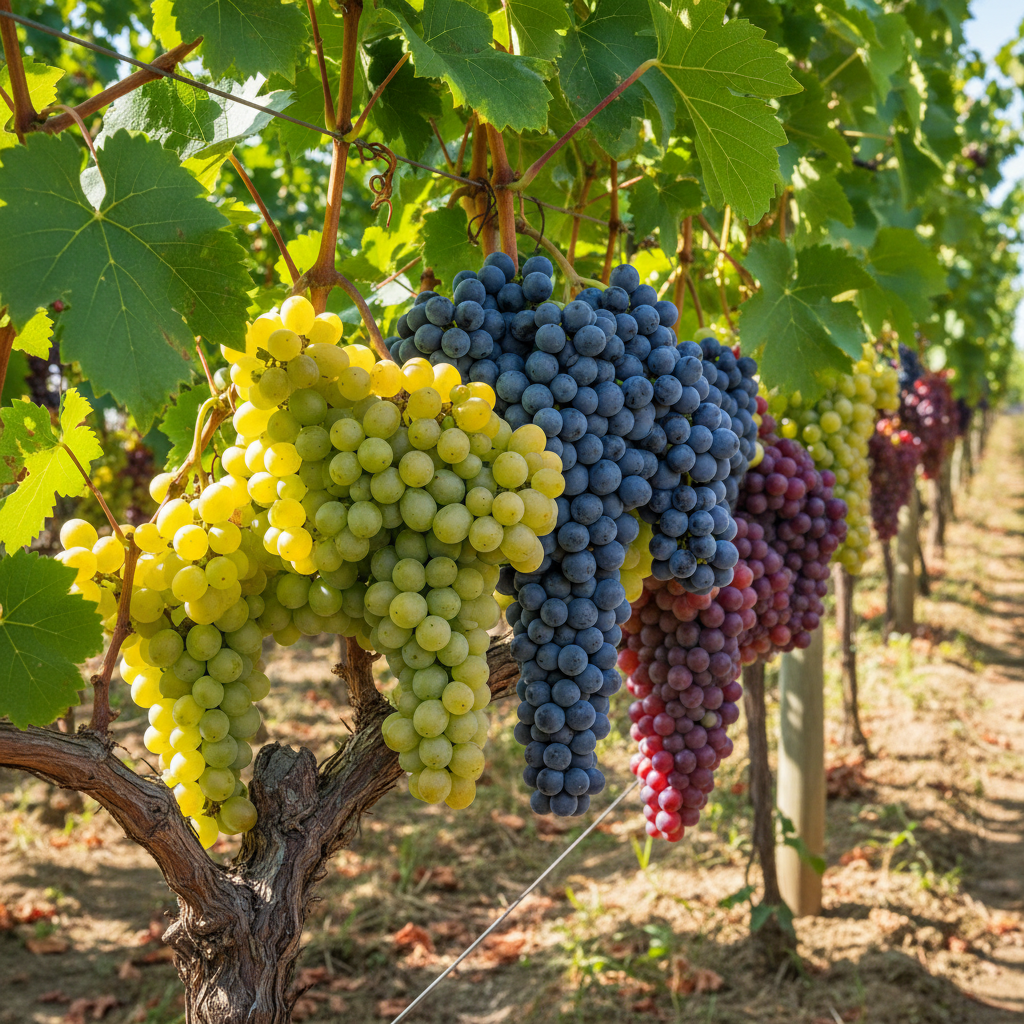
Grapes - Antioxidant-Rich Fruit for Heart Health
Discover grape health benefits - antioxidant-rich fruit with resveratrol for heart health, anti-aging, and longevity. Packed with vitamins supporting skin, hydration, and energy levels.
Mon, Jun 30, 2025Grapes (Vitis vinifera) are juicy fruits consumed fresh, dried (raisins), or as juice and wine. They are loaded with antioxidants, especially resveratrol, which supports heart health, lowers cholesterol, and protects skin from aging.
🍇 Grapes at a Glance
Grapes (Vitis vinifera) are small, juicy berries that grow in clusters on woody vines and come in green, red, purple, and black varieties. Cultivated for over 8,000 years, they are one of the world’s most versatile fruits — enjoyed fresh as table grapes, dried as raisins (kishmish), or pressed into juice and wine. In India, Nashik (Maharashtra) is the grape capital, producing Thompson Seedless and Sharad Seedless varieties that are prized both domestically and for export. Known as angoor in Hindi, grapes are rich in polyphenols, resveratrol, and vitamins C and K, making them a powerhouse for heart health, skin vitality, and overall wellness.
✨ Why It’s Special
- 🍷 Resveratrol powerhouse — Grapes are one of the richest natural sources of resveratrol, a compound linked to heart health and longevity
- 🌍 Ancient heritage — One of the oldest cultivated fruits in human history, with evidence dating back to 6000 BCE in the Caucasus region
- 🇮🇳 Indian economic importance — India is the 12th largest grape producer globally, with Nashik alone accounting for over 75% of India’s grape production
- 🧬 Whole-fruit nutrition — Skin, flesh, and seeds each offer unique beneficial compounds — anthocyanins, flavonoids, and proanthocyanidins respectively
- 🍇 Incredible variety — Over 8,000 grape cultivars exist worldwide, ranging from tiny Champagne grapes to large Concord varieties
💪 Health Benefits
- ✅ Protects heart health — Resveratrol and flavonoids reduce LDL cholesterol oxidation, lower blood pressure, and improve arterial function
- ✅ Powerful antioxidant action — Polyphenols including quercetin, catechins, and anthocyanins neutralize free radicals and reduce oxidative stress
- ✅ Anti-aging for skin — Resveratrol and vitamin C promote collagen production, protect against UV damage, and improve skin elasticity
- ✅ Supports brain function — Studies link grape polyphenols to improved memory, cognitive function, and reduced risk of neurodegenerative diseases
- ✅ Regulates blood sugar — Despite natural sweetness, grape polyphenols improve insulin sensitivity and help regulate glucose metabolism
- ✅ Anti-inflammatory properties — Grape compounds reduce chronic inflammation markers linked to cancer, diabetes, and arthritis
- ✅ Boosts immunity — Vitamin C, vitamin K, and various phytonutrients strengthen the immune system and improve wound healing
- ✅ Supports eye health — Lutein and zeaxanthin in grapes protect retinal cells from blue light damage and age-related macular degeneration
- ✅ Aids digestion — Natural fiber and organic acids support healthy bowel function and beneficial gut bacteria
- ✅ Natural energy booster — Natural sugars (glucose and fructose) provide quick, sustained energy without processed sugar crashes
🥗 Nutritional Information (Per 100g Grapes)
| Nutrient | Amount |
|---|---|
| Calories | 69 kcal |
| Carbohydrates | 18.1 g |
| Dietary Fiber | 0.9 g |
| Sugars | 15.5 g |
| Protein | 0.72 g |
| Fat | 0.16 g |
| Vitamin C | 10.8 mg (12% DV) |
| Vitamin K | 14.6 µg (18% DV) |
| Vitamin B6 | 0.086 mg |
| Potassium | 191 mg |
| Copper | 0.127 mg (14% DV) |
| Iron | 0.36 mg |
| Manganese | 0.071 mg |
| Water | 80.5% |
Note: Grapes are one of the few fruits that contain significant amounts of resveratrol (up to 1.5 mg per cup in red/black varieties), a polyphenol not captured in standard nutrient tables but extensively studied for cardiovascular and anti-aging benefits. Black grapes contain the highest concentration of anthocyanins among all grape varieties.
🔄 Quick Comparison: Grapes vs Pomegranate — Antioxidant Showdown
| Feature | 🍇 Grapes (100g) | 🍎 Pomegranate (100g) |
|---|---|---|
| Calories | 69 kcal | 83 kcal |
| Vitamin C | 10.8 mg | 10.2 mg |
| Vitamin K | 14.6 µg | 16.4 µg |
| Potassium | 191 mg | 236 mg |
| Fiber | 0.9 g | 4.0 g |
| Key Antioxidant | Resveratrol | Punicalagins |
| Best For | Heart health, anti-aging | Blood health, inflammation |
| Sugar Content | 15.5 g | 13.7 g |
Both grapes and pomegranate are antioxidant superstars, but they excel in different ways. Grapes offer resveratrol for cardiovascular protection and skin health, while pomegranate provides punicalagins for potent anti-inflammatory action and improved blood flow. For maximum benefit, include both in your diet.
📅 Seasonal Availability
- 🇮🇳 India (Nashik, Maharashtra) — Peak season from February to May; Thompson Seedless and Sharad Seedless are the main varieties
- 🌍 Global availability — Year-round in most supermarkets due to imports from Chile, South Africa, and California during off-season
- 🍂 Autumn harvest — Traditional grape harvest season in Europe and North America runs from August to October
- 🍇 Indian varieties — Anab-e-Shahi, Bangalore Blue, Dilkhush, and Gulabi are popular desi varieties grown across Maharashtra, Karnataka, and Tamil Nadu
- 📦 Raisins (Kishmish) — Available year-round; India is a major raisin producer with Sangli district being the hub
🛒 How to Choose & Store Grapes
How to Choose
- Look for plump, firm grapes firmly attached to green, flexible stems
- A natural powdery coating (bloom) on the skin indicates freshness — don’t mistake it for dirt
- Avoid grapes with wrinkled skin, brown spots, or leaking juice
- Shake the bunch gently — too many loose grapes falling off indicates they’re overripe
- Green grapes should have a slight yellowish hue for peak sweetness; red and black grapes should have deep, uniform color
How to Store
- Store unwashed grapes in the refrigerator in their original perforated bag or a ventilated container
- Refrigerated grapes stay fresh for 1–2 weeks
- Wash only before eating to prevent mold growth
- Remove any spoiled grapes immediately to prevent them from affecting the rest of the bunch
- For long-term storage, freeze grapes on a baking sheet, then transfer to a zip-lock bag — frozen grapes make a delicious snack
🥄 How to Use / Consume
Fresh Consumption
- Eat whole as a quick snack — wash and enjoy straight from the fridge
- Add to fruit salads, cheese platters, or yogurt bowls
- Pair with nuts and cheese for a balanced, elegant appetizer
Beverages
- Blend into fresh grape juice or smoothies with banana and spinach
- Make grape lemonade or grape-mint cooler for summer refreshment
- Traditional grape sherbet (sharbat) is popular across India
Cooked & Desserts
- Roast grapes with olive oil and thyme for a savory side dish
- Add to cakes, tarts, and fruit custard
- Make homemade grape jam, jelly, or chutney
- Freeze grapes and use as natural ice cubes in drinks
Tips
- Eat grapes with seeds when possible — grape seeds contain powerful proanthocyanidins
- Choose red or black grapes over green for maximum antioxidant benefits
- Combine grapes with protein (nuts, cheese) to moderate blood sugar impact
- Dried grapes (raisins/kishmish) are concentrated in nutrients but also higher in sugar — consume in moderation
⚠️ Precautions
- ❗ Choking hazard for young children — Cut grapes in half lengthwise for children under 4 years old
- ❗ High sugar content — Diabetics should limit intake to 10–15 grapes (about 80g) per serving and monitor blood sugar
- ❗ Pesticide residue — Grapes frequently appear on the “Dirty Dozen” list; wash thoroughly or choose organic when possible
- ❗ Digestive sensitivity — Excess consumption may cause bloating, gas, or diarrhea due to fructose and fiber content
- ❗ Blood-thinning interaction — Resveratrol may interact with blood-thinning medications like warfarin; consult your doctor
- ❗ Allergic reactions — Though rare, grape allergies exist; symptoms include oral itching, hives, or anaphylaxis in severe cases
- ❗ Kidney stone risk — Grapes contain oxalates; people with oxalate-type kidney stones should limit intake
- ❗ Avoid overripe grapes — Fermented or overripe grapes can cause stomach upset and may contain harmful bacteria
🎉 Fun Facts
- 🏛️ Grapes are one of the oldest cultivated fruits — archaeological evidence dates grape cultivation to around 6000 BCE in Georgia (Caucasus region)
- 🍷 It takes about 2.5 pounds (1.1 kg) of grapes to produce a single bottle of wine
- 🌍 China is the world’s largest grape producer, followed by Italy, the United States, and Spain
- 🇮🇳 Nashik in Maharashtra is called the “Wine Capital of India” and hosts the annual SulaFest wine festival
- 🧬 There are over 8,000 known grape varieties worldwide, but only about 1,300 are used for winemaking
- 🍇 The world’s most expensive grapes are Japan’s Ruby Roman grapes — a single bunch has sold for over $12,000
- 💊 Grape seed extract is a popular health supplement due to its high concentration of OPCs (oligomeric proanthocyanidins)
- 🐕 Grapes and raisins are toxic to dogs — even small amounts can cause kidney failure
- 📏 The longest grape vine on record was planted in 1768 at Hampton Court Palace, England, and still produces fruit today
- 🎨 The natural pigments in grape skins have been used as dyes for textiles and art throughout history
🍽️ Popular Recipes to Try
- 🥗 Grape & Walnut Salad — Fresh grapes, walnuts, feta cheese, and arugula with balsamic vinaigrette
- 🧊 Frozen Grape Popsicles — Blend grapes with yogurt and honey, freeze in molds for a healthy summer treat
- 🍹 Grape Mint Cooler — Black grapes, mint leaves, lime juice, and sparkling water for a refreshing drink
- 🍰 Grape Clafoutis — Classic French baked custard dessert with fresh grapes
- 🫙 Homemade Grape Jam — Slow-cooked Concord grapes with sugar and pectin for toast and pastries
- 🧀 Grape Chaat — Indian-style grape salad with chaat masala, roasted cumin, and lime juice
- 🍨 Grape Raita — Halved grapes in seasoned yogurt — a unique twist on the traditional Indian side dish
Frequently Asked Questions (FAQs)
Q: Which color grapes are healthiest — red, green, or black? A: Red and black grapes are healthiest due to higher antioxidant content, especially resveratrol and anthocyanins. Black grapes have the most antioxidants, followed by red, then green. However, all varieties are nutritious and beneficial — choose based on personal preference and availability.
Q: Can diabetics eat grapes? A: Yes, in moderation. Grapes have a medium glycemic index (around 53) and contain natural sugars. Limit portion to 10–15 grapes (about 80g) at a time, preferably with protein or nuts to slow sugar absorption. Black and red grapes may be better choices due to their blood sugar regulating compounds.
Q: Are grapes good for weight loss? A: Grapes can support weight loss when eaten in moderation. They’re low in calories (69 per 100g), high in water content (keeps you hydrated), and contain fiber for satiety. However, portion control is key due to natural sugar content. Limit to 1 cup daily as part of a balanced diet.
Q: Should I wash grapes before storing them? A: No, don’t wash grapes before storage as moisture promotes mold growth. Store unwashed grapes in the refrigerator in their original container or perforated plastic bag for up to 1–2 weeks. Wash thoroughly under running water just before eating. Remove any spoiled grapes immediately.
Q: Are grape seeds and skins edible? A: Yes, both are edible and highly nutritious. Grape skins contain most of the antioxidants (resveratrol, quercetin) and fiber. Seeds are rich in vitamin E, flavonoids, and beneficial oils. However, seeds can be bitter — you can eat them or spit them out based on preference. Seedless varieties are easier to consume.
Q: What’s the difference between table grapes and wine grapes? A: Table grapes (eating grapes) are larger, sweeter, less acidic, often seedless, and have thinner skins. Wine grapes are smaller, more acidic, contain seeds, have thicker skins, and higher sugar content for fermentation. Table grapes include varieties like Thompson, Crimson, and Concord.
Related Items

Explore More: Fruits • Vegetables • Herbs & Spices • Natural Remedies • Seasonal Picks • Wellness Tips
📚 Sources
- USDA FoodData Central — Grapes, raw (NDB #09132). https://fdc.nal.usda.gov/
- Xia, E. Q., et al. (2010). “Biological activities of polyphenols from grapes.” International Journal of Molecular Sciences, 11(2), 622–646.
- Indian Council of Agricultural Research (ICAR) — Grape Cultivation in India. https://icar.org.in/