


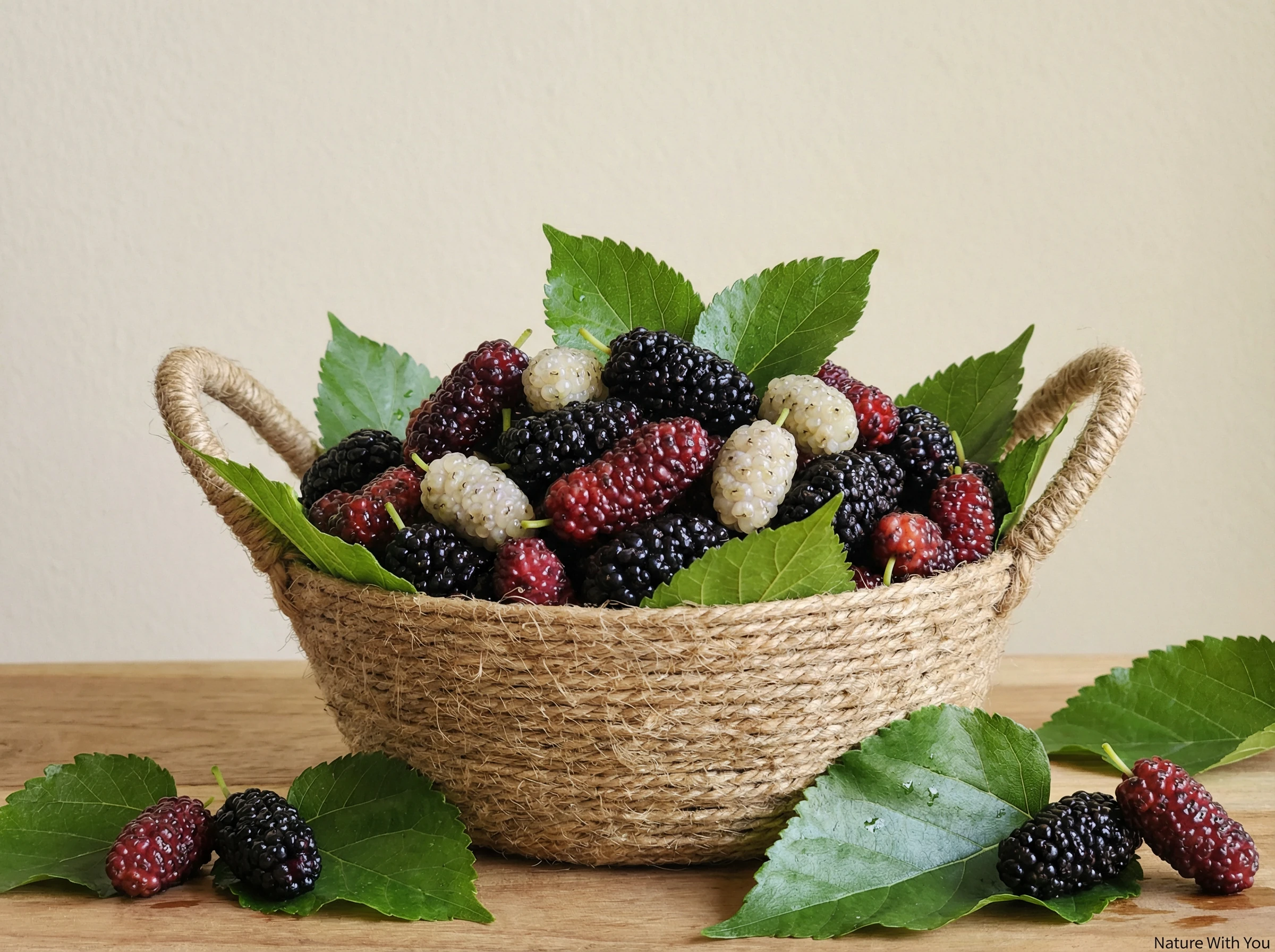
Mulberry - Antioxidant-Rich Berry for Blood Health
Discover mulberry (shahtoot), the antioxidant-rich berry packed with resveratrol, vitamin C, and iron. Perfect for blood health, immunity, and diabetes management.
Sun, Dec 28, 2025Mulberry (Morus species), known as shahtoot or tut in Hindi, is a sweet-tart berry native to Asia. Available in black, white, and red varieties, mulberries are packed with powerful antioxidants like resveratrol, vitamin C, iron, and anthocyanins. Traditionally used in Ayurveda and Chinese medicine, mulberries support blood health, improve immunity, aid diabetes management, and promote heart health. The leaves are also valued for their medicinal properties. A seasonal spring/summer fruit, mulberries are delicious fresh, dried, or in jams and juices.
🫐 Mulberry at a Glance
Mulberry (Shahtoot) is a seasonal berry treasure packed with antioxidants, vitamin C, and iron. Known for its sweet-tart flavor and vibrant color (black, white, or red), mulberries have been used for centuries in traditional medicine for blood health, immunity, and diabetes management. In India, shahtoot is a beloved spring fruit deeply tied to childhood nostalgia — enjoyed fresh from the tree across North India, from Punjab and Haryana to Kashmir and Uttarakhand.
✨ Why It’s Special / Importance
- 🩸 Iron-rich berry — one of the few fruits with significant iron content (1.85mg/100g), excellent for preventing anaemia
- 🍷 Resveratrol source — contains the same powerful compound found in red wine, supporting heart health
- 🐛 Silk connection — mulberry leaves are the exclusive food of silkworms, making this tree vital to the silk industry
- 🌳 Grows across India — unlike imported berries, shahtoot trees are found in backyards and streets across North India
- 🧪 Medicinal leaves — mulberry leaf tea is used in Ayurveda and Chinese medicine for blood sugar control
💪 Health Benefits
- ✅ Rich in resveratrol and anthocyanins — powerful antioxidants for heart health
- ✅ High vitamin C content (61% RDI) boosts immunity and collagen production
- ✅ Excellent iron source for healthy blood and preventing anemia
- ✅ Helps regulate blood sugar levels — beneficial for diabetes management
- ✅ Supports liver health and detoxification
- ✅ Promotes healthy vision with vitamin A and zeaxanthin
- ✅ Anti-inflammatory properties reduce chronic inflammation
- ✅ Aids digestion with dietary fiber
- ✅ May improve cholesterol levels and cardiovascular health
- ✅ Traditional remedy for sore throat, cough, and fever
🥗 Nutritional Information (Per 100g Mulberry)
| Nutrient | Amount |
|---|---|
| Calories | 43 kcal |
| Carbohydrates | 9.8 g |
| Natural Sugar | 8.1 g |
| Fiber | 1.7 g |
| Protein | 1.4 g |
| Fat | 0.4 g |
| Vitamin C | 36.4 mg (61% RDI) |
| Vitamin K | 7.8 mcg |
| Iron | 1.85 mg (10% RDI) |
| Potassium | 194 mg |
| Calcium | 39 mg |
| Magnesium | 18 mg |
Note: Black mulberries tend to have higher antioxidant content than white or red varieties. Mulberries are also one of the few fruits providing meaningful iron, making them especially beneficial for women and vegetarians.
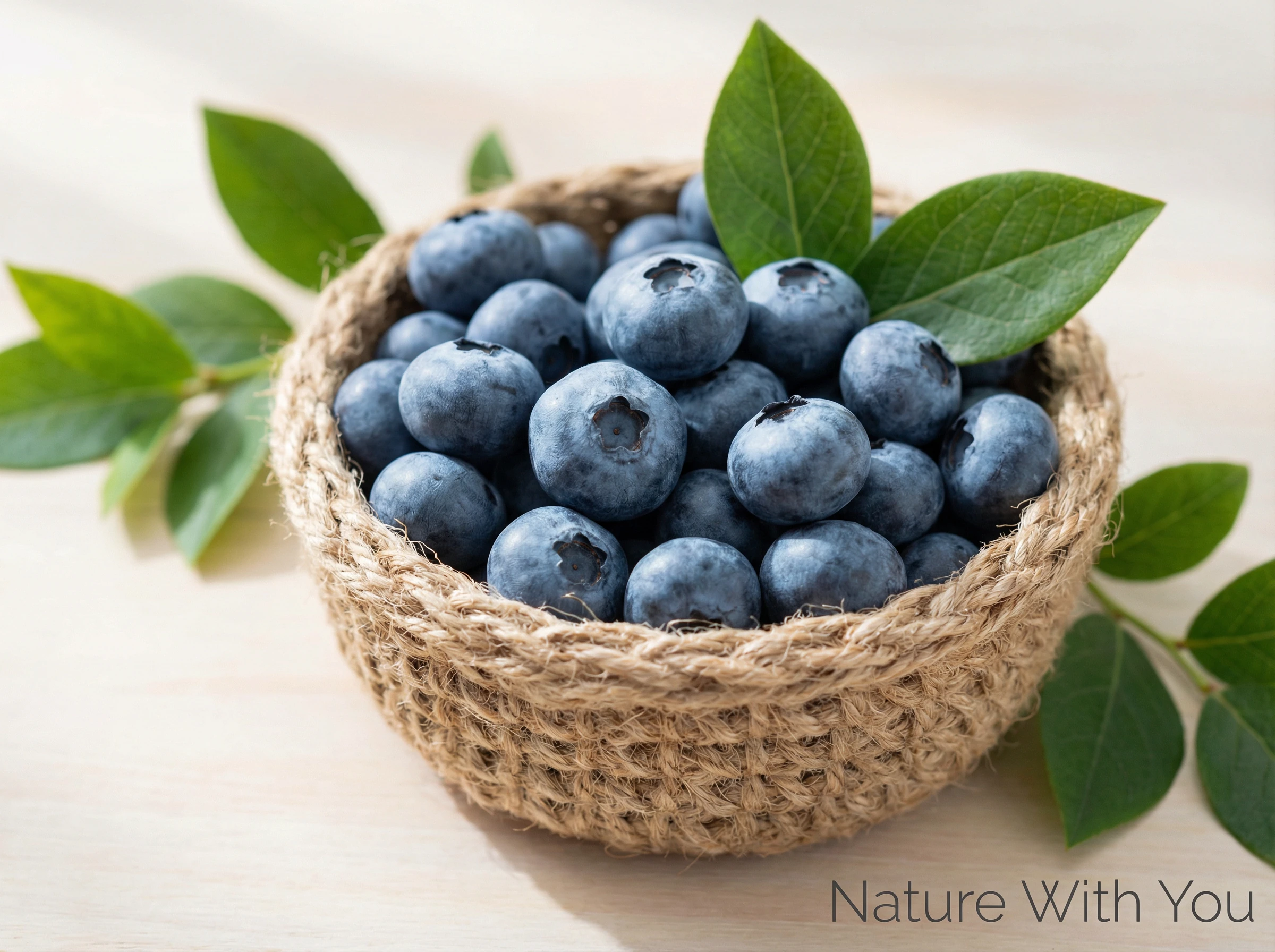
🔄 Quick Comparison: Mulberry vs Blueberry — Antioxidant Berries
| Feature | 🫐 Mulberry (100g) | 💙 Blueberry (100g) |
|---|---|---|
| Calories | 43 kcal | 57 kcal |
| Vitamin C | ⭐ 36.4 mg (61% RDI) | 9.7 mg (16% RDI) |
| Iron | ⭐ 1.85 mg | 0.28 mg |
| Fiber | 1.7 g | ⭐ 2.4 g |
| Protein | ⭐ 1.4 g | 0.7 g |
| Key Antioxidant | Resveratrol | Anthocyanins |
| Best For | Blood Health & Iron | Brain & Memory |
| Availability (IN) | Seasonal / Local | Imported / Premium |
📅 Seasonal Availability
Mulberry is a seasonal spring/summer fruit:
- 🌸 March to June (Peak season in India and temperate regions)
- 🌞 Best in spring and early summer months
- 🌳 Grows in Himalayan foothills, Kashmir, Punjab, Haryana, and parts of North India
- 🌍 Widely cultivated in Asia, Europe, and North America
- 🍇 Dried mulberries available year-round in health food stores
🛒 How to Choose & Store Mulberries
How to Choose
For Fresh Mulberries:
- 🟣 Deep color (black, red, or ivory-white depending on variety)
- ✨ Plump, firm, and glossy appearance
- 🌿 Free from mold, mushiness, or bruising
- 👃 Sweet, mild fragrance (avoid sour or fermented smell)
- 🍇 Pick fully ripe berries — they don’t ripen after picking
Avoid:
- ❌ Moldy, mushy, or shriveled berries
- ❌ Berries with stem rot or excessive moisture
- ❌ Overly soft or leaking juice
How to Store
- 🧊 Fresh mulberries: Refrigerate unwashed in a shallow container for 2–3 days
- 🌡️ Wash only before eating to prevent quick spoilage
- ❄️ Freezing: Spread on a tray, freeze, then store in bags for up to 6 months
- 🍯 Dried mulberries: Store in airtight container in a cool, dry place for several months
- 🥫 Jam/preserves: Properly canned mulberry jam lasts up to a year
🥄 How to Use / Consume
Fresh Consumption
- 🍇 Eat fresh directly as a snack — straight off the tree is best!
- 🥗 Add to fruit salads and green salads
- 🥣 Top yogurt, oatmeal, or cereal
- 🥤 Blend into smoothies and juices
- 🧁 Use in muffins, cakes, and desserts
Beverages
- 🧃 Prepare shahtoot sharbat (mulberry sherbet) — a classic Indian summer drink
- 🍵 Brew mulberry leaf tea for blood sugar support
- 🥤 Blend into smoothies with banana and honey
- 🍷 Ferment into mulberry wine (traditional)
Cooked & Desserts
- 🍓 Make mulberry jam, jelly, or preserves
- 🥧 Use in pies, tarts, and crumbles
- 🍪 Add dried mulberries to granola, trail mix, or energy bars
- 🍞 Use in baking — cookies, breads, scones
Tips
- 🧤 Mulberries can stain hands and clothes — handle carefully
- 🚿 Wash gently just before eating
- 🍇 Best consumed fresh for maximum vitamin C
- 🍵 Mulberry leaf tea can be made from dried leaves
⚠️ Precautions
- ❗ May lower blood sugar — diabetics on medication should monitor levels carefully
- ❗ Can cause allergic reactions in people sensitive to birch pollen
- ❗ Unripe mulberries may cause stomach upset, nausea, or diarrhea
- ❗ Excessive consumption may interfere with blood clotting (vitamin K)
- ❗ May interact with diabetes medications — consult doctor if on medication
- ❗ Stains clothing and hands easily — handle with care
- ❗ Mulberry leaves (tea) should be consumed in moderation during pregnancy
- ❗ Street-picked mulberries should be washed thoroughly to remove dust and pollutants
🎉 Fun Facts
- 🐛 Mulberry leaves are the exclusive food of silkworms in silk production
- 🌳 A single mulberry tree can produce fruit for over 50 years
- 🎨 Black mulberries have been used historically as natural dye
- 📜 Mentioned in ancient Greek, Roman, and Chinese texts dating back thousands of years
- 🍷 Mulberry wine has been produced in traditional cultures for centuries
- 🌍 There are over 200 species of mulberry trees worldwide
- 🇮🇳 In India, shahtoot is associated with summer nostalgia and childhood memories
- 🔬 Resveratrol in mulberries is the same compound found in red wine
- 🌿 Mulberry trees are fast-growing and can grow up to 10–15 meters tall
- 💜 Black mulberries are considered the sweetest and most flavorful variety
🍽️ Popular Recipes to Try
- Fresh Shahtoot (Eat ripe mulberries directly)
- Shahtoot Sharbat (Mulberry juice/sherbet — classic Indian drink)
- Mulberry Jam (Sweet preserve for toast)
- Mulberry Smoothie (Blended with yogurt or milk)
- Mulberry Pie/Tart (Classic berry dessert)
- Mulberry Ice Cream (Homemade frozen treat)
- Mulberry Leaf Tea (Herbal infusion for blood sugar support)
Frequently Asked Questions (FAQs)
Q: Can you eat mulberries raw? A: Yes! Ripe mulberries (black, red, or white) can be eaten fresh and raw. They’re sweet, juicy, and delicious. However, avoid unripe green mulberries as they can cause stomach upset. Always wash thoroughly before eating.
Q: Are mulberries good for medicinal purposes? A: Yes, mulberries have been used in traditional medicine for centuries. They help regulate blood sugar, support liver function, boost immunity, improve blood health (iron-rich), and reduce inflammation. Mulberry leaf tea is used for diabetes management in Ayurveda and Chinese medicine.
Q: Can I grow a mulberry tree at home? A: Absolutely! Mulberry trees are hardy, fast-growing, and adaptable to various climates (temperate to subtropical). They need full sun, well-drained soil, and moderate watering. Trees start bearing fruit in 2–3 years and can produce abundantly for decades.
Q: What’s the difference between black, white, and red mulberries? A: Black mulberries (Morus nigra) are the sweetest, most flavorful, and highest in antioxidants. White mulberries (Morus alba) are milder and less sweet — commonly used for silkworm cultivation. Red mulberries (Morus rubra) have a balanced sweet-tart flavor. All are nutritious and edible.
Q: Are mulberries good for diabetes? A: Yes! Mulberries have a low glycemic index and contain compounds that help regulate blood sugar levels. Mulberry leaf tea is traditionally used to manage diabetes. However, if you’re on diabetes medication, monitor your blood sugar closely as mulberries can enhance the effect.
Q: How do mulberries compare to other berries? A: Mulberries stand out for their exceptional vitamin C (61% RDI) and iron content, which most berries lack. They have more protein than blueberries or strawberries. While blueberries lead in anthocyanins and raspberries in fiber, mulberries offer a unique combination of iron, resveratrol, and vitamin C.
Related Items
Explore More: Fruits • Vegetables • Herbs & Spices • Natural Remedies • Seasonal Picks • Wellness Tips
📚 Sources
- USDA FoodData Central — Mulberries, raw (NDB 09190)
- Ercisli, S. & Orhan, E. (2007). “Chemical composition of white, red, and black mulberry fruits.” Food Chemistry, 103(4), 1380–1384.
- Andallu, B. et al. (2001). “Effect of mulberry leaves on diabetes.” Clinica Chimica Acta, 314(1-2), 47–53.