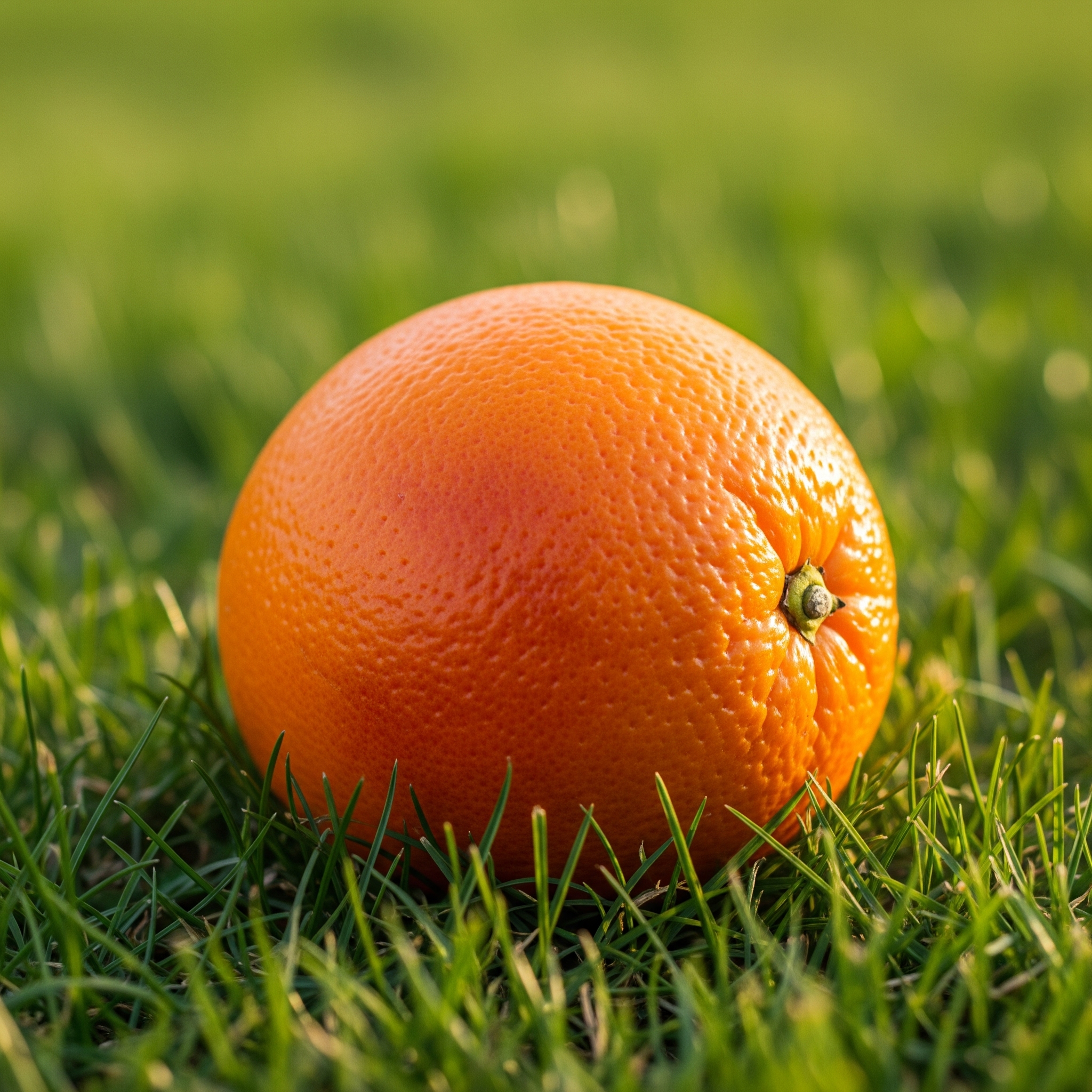
🍊 Orange at a Glance
The orange (Citrus sinensis) is one of the world’s most popular citrus fruits, cherished for its refreshing tangy-sweet flavor and impressive nutritional profile. Believed to have originated in Southeast Asia, oranges are now grown extensively across subtropical regions worldwide — including India, where Nagpur is famously known as the “Orange City.” Rich in vitamin C, antioxidants, and dietary fiber, the orange has been a go-to fruit for immunity, hydration, and everyday wellness for centuries. In India, it is commonly known as santra or narangi.
✨ Why It’s Special
- 🛡️ Immunity powerhouse — a single medium orange provides 116% of your daily vitamin C requirement
- 🌍 Globally beloved — oranges are the most widely consumed citrus fruit on the planet
- 💧 Natural hydrator — composed of about 87% water, making it excellent for hydration
- 🧬 Flavonoid-rich — contains hesperidin and naringenin, potent antioxidants unique to citrus
- 🇮🇳 Indian heritage — Nagpur oranges (santra) are a celebrated GI-tagged variety known for their exceptional sweetness
💪 Health Benefits
- ✅ Boosts immunity — high vitamin C content strengthens the immune system and helps fight infections
- ✅ Supports heart health — flavonoids like hesperidin help lower cholesterol and reduce blood pressure
- ✅ Promotes glowing skin — vitamin C stimulates collagen production, reducing wrinkles and improving skin texture
- ✅ Aids digestion — 3.1g of dietary fiber per orange supports gut health and regular bowel movements
- ✅ Fights inflammation — antioxidants and flavonoids reduce chronic inflammation linked to disease
- ✅ Supports eye health — contains vitamin A, beta-carotene, and lutein that protect vision
- ✅ Enhances iron absorption — vitamin C significantly improves absorption of plant-based (non-heme) iron
- ✅ Reduces kidney stone risk — citric acid and citrate help prevent calcium oxalate stone formation
- ✅ Supports brain health — flavonoids may improve cognitive function and protect against neurodegenerative decline
- ✅ Keeps you hydrated — high water content replenishes fluids, especially during hot weather or exercise
| Nutrient |
Amount |
| Calories |
47 kcal |
| Carbohydrates |
11.75 g |
| Dietary Fiber |
2.4 g |
| Natural Sugar |
9.35 g |
| Protein |
0.94 g |
| Fat |
0.12 g |
| Vitamin C |
53.2 mg (59% DV) |
| Potassium |
181 mg |
| Calcium |
40 mg |
| Folate |
30 µg |
| Vitamin A |
225 IU |
Note: One medium orange (~131g) provides about 70 mg of vitamin C, exceeding the daily recommended intake. Oranges are also one of the best dietary sources of hesperidin, a flavonoid linked to improved cardiovascular health.
🔄 Quick Comparison: Orange vs Guava — Vitamin C Showdown
| Parameter |
🍊 Orange (per 100g) |
🍈 Guava (per 100g) |
| Calories |
47 kcal |
68 kcal |
| Vitamin C |
53.2 mg |
228.3 mg |
| Dietary Fiber |
2.4 g |
5.4 g |
| Potassium |
181 mg |
417 mg |
| Natural Sugar |
9.35 g |
8.92 g |
| Protein |
0.94 g |
2.55 g |
| Fat |
0.12 g |
0.95 g |
| Best For |
Hydration & citrus antioxidants |
Vitamin C & fiber champion |
Verdict: Guava delivers over 4x the vitamin C and double the fiber, but oranges excel in hydration, unique citrus flavonoids like hesperidin, and year-round global availability.
📅 Seasonal Availability
- 🍊 Peak season in India: November to March (winter citrus season)
- 🌍 Available year-round globally due to different growing regions and cold storage
- 🇮🇳 Nagpur oranges are harvested primarily from November to January (Ambia Bahar) and March to May (Mrig Bahar)
- 🌿 Best quality during winter months when the fruit is sweetest and most flavourful
- 🛒 Off-season availability from imported varieties (Valencia, Navel) from Spain, USA, and South Africa
🛒 How to Choose & Store Orange
How to Choose
- 🔶 Pick oranges that feel heavy for their size — heavier means more juice
- 🟠 Look for a bright, vibrant orange color with smooth, firm skin
- 👃 A sweet citrus fragrance at the stem end indicates ripeness
- ❌ Avoid oranges with soft spots, mold, or overly rough and puffy skin
- 💡 Slight green patches don’t necessarily mean unripe — especially in Indian varieties
How to Store
- 🌡️ Room temperature: Keeps well for 1 week on the counter
- ❄️ Refrigerator: Lasts 2–3 weeks in the crisper drawer
- 🧊 Frozen juice/zest: Freeze fresh juice in ice trays or zest in bags for up to 3 months
- 📦 Avoid storing in sealed plastic bags — oranges need air circulation
🥄 How to Use / Consume
Fresh Consumption
- 🍊 Peel and eat fresh segments as a snack — keep the pith for extra fiber
- 🍽️ Add orange slices to fruit bowls or as a garnish on platters
Beverages
- 🧃 Fresh-squeezed orange juice (best with pulp for fiber)
- 🍹 Orange smoothies blended with yogurt, banana, or mango
- 🍵 Orange peel tea — dried peels steeped in hot water with honey
Cooked & Desserts
- 🍰 Orange cake, orange tarts, and marmalade
- 🍗 Orange glaze for grilled chicken or fish
- 🥗 Orange vinaigrette dressing for salads
- 🍮 Orange-infused kheer or phirni (Indian desserts)
Tips
- 💡 Roll the orange firmly on a counter before juicing to get more juice
- 🍃 Save orange peels — dry them for tea, zest for baking, or as a natural room freshener
⚠️ Precautions
- ❗ Tooth enamel erosion — acidic content (pH 3–4) can weaken enamel; rinse mouth with water after eating
- ❗ Acid reflux/GERD — may worsen symptoms in people with gastroesophageal reflux; avoid on an empty stomach
- ❗ Citrus allergy — some individuals may experience itching, swelling, or digestive upset from citrus
- ❗ Excessive intake — more than 3 oranges daily may cause stomach cramps, diarrhea, or heartburn
- ❗ Drug interactions — orange juice may interact with certain medications (e.g., statins, calcium channel blockers)
- ❗ Pesticide residue — wash thoroughly or choose organic, especially if consuming the peel
- ❗ High natural sugar — diabetics should monitor portions; stick to 1 medium orange at a time
🎉 Fun Facts
- 🍊 Oranges are technically a type of berry called a “hesperidium”
- 🌍 Brazil is the world’s largest orange producer, followed by China and India
- 🧃 Orange juice is the most consumed fruit juice worldwide
- 🌱 An orange tree can live and produce fruit for 50–100 years
- 🎨 The color “orange” was actually named after the fruit, not the other way around
- 🏛️ Oranges were considered a luxury item in Europe during the Renaissance
- 🍂 Orange blossoms are the state flower of Florida and symbolize good luck in weddings
- 🧬 There are over 600 varieties of oranges cultivated worldwide
- 🇮🇳 India’s Nagpur district is called the “Orange City” and produces the famous Nagpur santra
- 🌿 Orange peel contains more vitamin C than the flesh — and is used in Ayurvedic and Chinese medicine
🍽️ Popular Recipes to Try
- 🥤 Fresh Orange Juice — classic morning immunity booster
- 🍊 Orange Marmalade — tangy-sweet preserve perfect for toast
- 🥗 Orange & Beetroot Salad — with olive oil, feta, and walnuts
- 🍰 Orange Semolina Cake — moist and citrusy, great with tea
- 🍗 Orange Glazed Chicken — sweet-citrus marinade for grilled or baked chicken
- 🍮 Orange Phirni — Indian rice pudding with orange zest and cardamom
- 🧁 Chocolate Orange Mousse — rich dessert with citrus twist
Frequently Asked Questions (FAQs)
Q: Is it better to eat whole oranges or drink orange juice?
A: Whole oranges are better. They contain fiber that slows sugar absorption, keeps you fuller longer, and supports digestive health. Orange juice lacks fiber, has concentrated sugars, and can spike blood sugar quickly. If choosing juice, opt for fresh-squeezed with pulp and limit to 4-6 oz daily.
Q: Can I eat oranges if I have acid reflux or GERD?
A: Oranges are acidic (pH 3-4) and may trigger reflux symptoms in some people. If you have GERD, eat oranges in moderation, avoid on an empty stomach, and monitor your symptoms. Less acidic alternatives include bananas, melons, and pears. Some people tolerate mandarins better than regular oranges.
Q: What’s the white stringy stuff on oranges - should I remove it?
A: That’s called “pith” and you should keep it! The white membrane is rich in fiber, flavonoids, and vitamin C. While slightly bitter, it provides additional health benefits including improved cholesterol and digestive support. Eating oranges with pith maximizes nutrition.
Q: How many oranges should I eat per day?
A: 1-2 medium oranges daily is ideal for most people, providing 100-200% of daily vitamin C needs. More than 3 oranges may cause digestive issues, tooth enamel erosion (due to acidity), or excessive sugar intake. Balance with other fruits for variety.
Q: Do oranges help prevent colds?
A: While oranges won’t prevent colds, their high vitamin C content supports immune function and may reduce cold duration and severity. For best results, consume vitamin C regularly year-round, not just when sick. Oranges also provide hydration and antioxidants that support recovery.
Q: Can diabetics eat oranges?
A: Yes, oranges are diabetic-friendly when eaten whole. They have a low to medium glycemic index (around 40-50) and contain fiber that helps regulate blood sugar. Limit to one medium orange at a time and avoid orange juice. Monitor your blood glucose response and pair with protein if needed.

Explore More: Fruits • Vegetables • Herbs & Spices • Natural Remedies • Seasonal Picks • Wellness Tips
📚 Sources
- USDA FoodData Central — Oranges, raw, all commercial varieties (NDB #09200)
- Mannucci, C. et al. (2017). “Clinical Pharmacology of Citrus aurantium and Citrus sinensis for the Treatment of Anxiety.” Evidence-Based Complementary and Alternative Medicine.
- National Institutes of Health — Vitamin C Fact Sheet for Health Professionals (2021)
← Back to Fruits