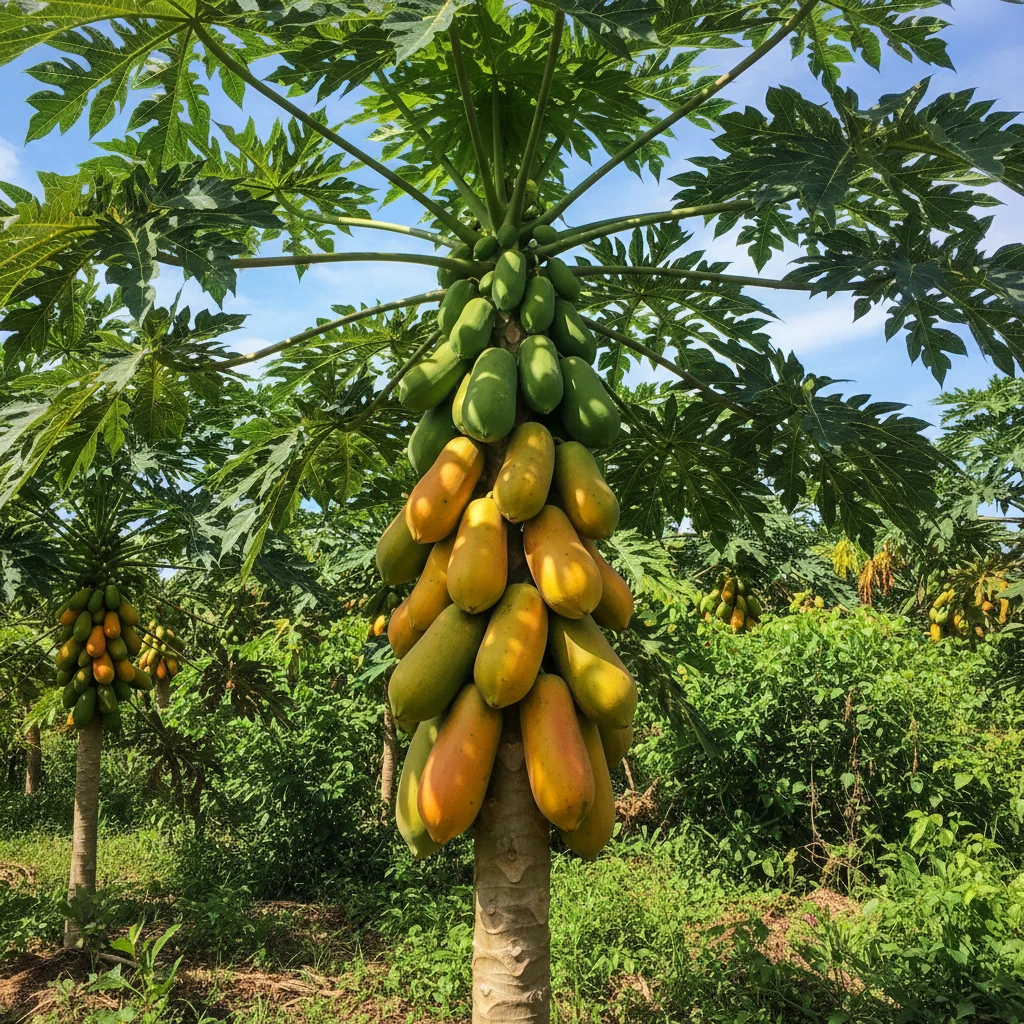
🍈 Papaya at a Glance
Papaya (Carica papaya) is a tropical fruit celebrated for its vibrant orange flesh, sweet musky flavor, and remarkable digestive properties. Originally from Central America, papaya has been cultivated in India for centuries and is now one of the most widely grown tropical fruits in the country. Known as “papita” in Hindi, it is available year-round in Indian markets and is prized in both Ayurvedic medicine and daily nutrition. India is the world’s largest producer of papaya, with major growing regions in Andhra Pradesh, Gujarat, Karnataka, and Maharashtra.
✨ Why It’s Special
- 🧪 Natural enzyme powerhouse — Contains papain, a powerful proteolytic enzyme that breaks down proteins and aids digestion like no other fruit
- 🍊 Vitamin C champion — A single serving provides over 100% of your daily vitamin C needs, surpassing even oranges per gram
- 🪶 Low calorie, high nutrition — At just 43 calories per 100g, papaya delivers exceptional nutrition with minimal caloric impact
- 🌿 Ayurvedic significance — Used in traditional Indian medicine for centuries to treat digestive disorders, skin ailments, and inflammation
- 📅 Year-round availability — Unlike most tropical fruits, papaya is available fresh throughout the year in India
💪 Health Benefits
- ✅ Powerful digestive aid — Papain enzyme breaks down tough protein fibers, relieving bloating, constipation, and indigestion
- ✅ Immune system booster — Provides 68% of daily vitamin C per 100g, supporting white blood cell function and infection resistance
- ✅ Promotes skin health — Vitamin A, C, and E in papaya support collagen production, reduce wrinkles, and improve skin elasticity
- ✅ Supports heart health — Fiber, potassium, and antioxidants help lower cholesterol and regulate blood pressure
- ✅ Anti-inflammatory properties — Papain and chymopapain enzymes help reduce inflammation in conditions like arthritis
- ✅ Aids weight management — Low in calories and high in fiber, papaya promotes satiety and supports healthy weight loss
- ✅ Supports eye health — Contains beta-carotene and lutein, which protect against age-related macular degeneration
- ✅ Natural detoxifier — Fiber and enzymes help cleanse the digestive tract and support liver function
- ✅ May help regulate blood sugar — The fiber content slows sugar absorption, beneficial for diabetics when eaten in moderation
- ✅ Supports wound healing — Papain is used topically in traditional medicine to speed up wound healing and reduce scarring
| Nutrient |
Amount |
| Calories |
43 kcal |
| Carbohydrates |
10.8 g |
| Dietary Fiber |
1.7 g |
| Protein |
0.5 g |
| Vitamin C |
60.9 mg (68% RDI) |
| Vitamin A |
47 µg RAE |
| Folate |
37 µg |
| Potassium |
182 mg |
| Calcium |
20 mg |
| Iron |
0.25 mg |
Note: Papaya is unique among fruits for containing the enzyme papain, which functions similarly to pepsin in the human stomach. This makes papaya one of the best natural digestive aids available, especially effective when eaten on an empty stomach.
🔄 Quick Comparison: Papaya vs Mango — Enzyme Power vs Sweet Power
| Feature |
🍈 Papaya |
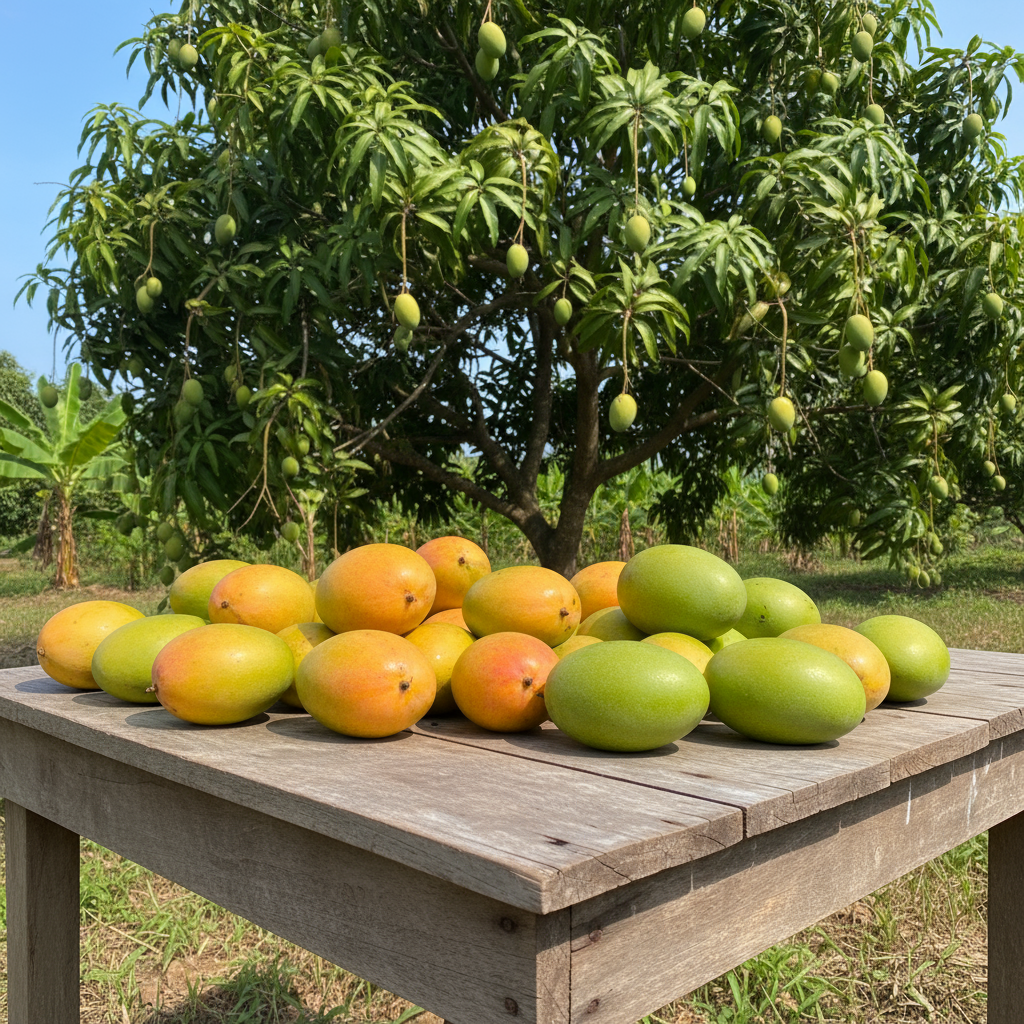
🥭 Mango |
| Calories (per 100g) |
43 kcal |
60 kcal |
| Vitamin C |
60.9 mg |
36.4 mg |
| Vitamin A |
47 µg |
54 µg |
| Fiber |
1.7 g |
1.6 g |
| Key Enzyme |
Papain |
Amylases |
| Best For |
Digestion, detox |
Eye health, skin glow |
| Glycemic Index |
~60 (Medium) |
~51 (Medium) |
| Availability |
Year-round |
Seasonal (Apr–Jul) |
📅 Seasonal Availability
- 📅 Year-round fruit — Papaya is available throughout the year in India, making it one of the most accessible tropical fruits
- 🌞 Peak season — Best quality and lowest prices during the warm months from March to September
- 🌾 Major growing regions — Andhra Pradesh, Gujarat, Karnataka, Maharashtra, and West Bengal are top producers in India
- 🌍 Global supply — Also widely grown in Brazil, Mexico, Nigeria, and Indonesia, ensuring consistent international availability
- 🏪 Market tip — Look for locally grown papaya at farmers' markets for the freshest and most flavorful options
🛒 How to Choose & Store Papaya
How to Choose
- Look for papaya with yellow-orange skin covering 50–80% of the surface — this indicates optimal ripeness
- The fruit should yield slightly to gentle pressure, similar to a ripe avocado
- A sweet, pleasant aroma near the stem end signals good flavor
- Avoid papaya with dark spots, bruises, or overly soft areas
- Semi-ripe papayas (more green) can be purchased and ripened at home
How to Store
- Unripe papaya: Leave at room temperature for 2–3 days until the skin turns mostly yellow
- Ripe papaya: Refrigerate for up to 5–7 days
- Cut papaya: Store in an airtight container in the refrigerator for 2–3 days
- Long-term: Freeze papaya cubes for smoothies — they keep for up to 3 months
- Speed up ripening by placing papaya in a paper bag with a banana
🥄 How to Use / Consume
Fresh Consumption
- Cut in half, scoop out the seeds, and eat the flesh with a spoon
- Slice into cubes for fruit salads and breakfast bowls
- Squeeze fresh lime juice over papaya slices for enhanced flavor and vitamin C absorption
Beverages
- Blend into smoothies with banana, yogurt, and honey
- Make papaya milkshake — a popular Indian street beverage
- Prepare fresh papaya juice with a squeeze of lemon
Cooked & Desserts
- Use green (unripe) papaya in salads, curries, and stir-fries — popular in Indian and Thai cuisine
- Make papaya halwa, a traditional Indian dessert
- Prepare papaya jam or chutney for a sweet-tangy condiment
- Add to custards, puddings, and fruit tarts
Tips
- Eat papaya on an empty stomach in the morning for maximum digestive benefits
- Papaya seeds are edible — dry and grind them as a peppery seasoning
- Green papaya can be used as a natural meat tenderizer due to its papain content
⚠️ Precautions
- ❗ Pregnancy warning: Unripe (green) papaya contains high amounts of latex and papain, which may trigger uterine contractions — avoid during pregnancy
- ❗ Latex allergy: People with latex allergies may experience cross-reactive allergic reactions to papaya
- ❗ Digestive sensitivity: Excessive consumption can cause stomach upset, diarrhea, or bloating due to high papain content
- ❗ Blood thinners: Papaya may enhance the effects of anticoagulant medications — consult your doctor before regular consumption
- ❗ Blood sugar: While generally safe for diabetics, large portions of very ripe papaya can spike blood sugar levels
- ❗ Skin irritation: Handling raw papaya latex can cause skin irritation in sensitive individuals — wash hands after cutting
- ❗ Kidney stones: People with kidney issues should consume in moderation due to oxalate content
- ❗ Seeds in excess: Papaya seeds are potent — consume no more than 1 teaspoon daily to avoid digestive discomfort
🎉 Fun Facts
- 🧭 Christopher Columbus called papaya the “Fruit of Angels” after tasting it in the Caribbean
- 🌍 India is the world’s largest producer of papaya, contributing about 45% of global production
- 🧬 Papaya was one of the first genetically modified crops approved for commercial sale (Rainbow papaya in Hawaii, 1998)
- 🍃 Papaya leaf extract is used in many Asian countries as a traditional remedy for dengue fever and low platelet count
- 🧪 Papain from papaya is used commercially in meat tenderizers, skincare products, and digestive supplements
- 🌱 A papaya plant can start bearing fruit within just 6–9 months of planting, making it one of the fastest-fruiting plants
- 🪴 Papaya is technically a large herb, not a tree — its trunk-like stem is hollow and herbaceous
- 📜 Ancient Mayan civilization used papaya leaves to tenderize meat before cooking
- 🧡 The orange color of papaya comes from cryptoxanthin and beta-carotene, powerful antioxidants
- 🫘 Papaya seeds have a peppery taste and are used as a spice substitute in some cultures
🍽️ Popular Recipes to Try
- 🥤 Papaya Smoothie — Blend ripe papaya with banana, yogurt, honey, and a splash of orange juice
- 🥗 Green Papaya Salad — Shred raw papaya with peanuts, lime, chili, and fish sauce (Thai-style)
- 🍛 Papaya Curry (Papita Ki Sabzi) — Cook green papaya with spices, tomatoes, and onions as a North Indian side dish
- 🍨 Papaya Halwa — Grated papaya cooked with ghee, sugar, and cardamom — a traditional Indian sweet
- 🍹 Papaya Lassi — Blend papaya with yogurt, sugar, and ice for a refreshing drink
- 🫙 Papaya Chutney — Sweet and tangy chutney made with ripe papaya, jaggery, and spices
- 🍰 Papaya Custard — Layer fresh papaya cubes with vanilla custard for a simple dessert
Frequently Asked Questions (FAQs)
Q: Why should pregnant women avoid unripe papaya?
A: Unripe (green) papaya contains high amounts of latex and papain enzyme, which can trigger uterine contractions and potentially lead to premature labor or miscarriage. Ripe papaya (orange/yellow flesh) is safe and beneficial during pregnancy due to its rich nutrient content. Always consult your doctor.
Q: Can papaya help with digestion problems?
A: Yes, papaya is excellent for digestion. It contains papain enzyme that breaks down proteins, making it easier to digest heavy meals. Eating papaya on an empty stomach or after meals can help relieve bloating, constipation, and indigestion. The fiber content also promotes regular bowel movements.
Q: What’s the best way to eat papaya for maximum benefits?
A: Eat ripe papaya fresh on an empty stomach in the morning for best nutrient absorption. You can also eat it 30 minutes before or 2 hours after meals to aid digestion. Blend into smoothies, add to fruit salads, or squeeze lime juice over it for enhanced flavor and vitamin C absorption.
Q: How do I know when a papaya is ripe?
A: A ripe papaya has yellow-orange skin (50–80% yellow), yields to gentle pressure like a ripe avocado, and has a sweet aroma. Green papayas are unripe. If you buy semi-ripe papaya, leave it at room temperature for 2–3 days to ripen. Refrigerate once fully ripe.
Q: Are papaya seeds edible and beneficial?
A: Yes, papaya seeds are edible and packed with nutrients. They have a peppery, slightly bitter taste and contain carpaine, which may support liver detoxification and digestive health. Consume 1 teaspoon of dried seeds daily, or blend fresh seeds into smoothies. Start with small amounts as they’re potent.
Q: Can diabetics eat papaya?
A: Yes, papaya is diabetic-friendly. It has a low to medium glycemic index (around 60) and contains fiber that helps regulate blood sugar levels. Limit portion to 1 cup (140g) of ripe papaya at a time and monitor your blood glucose response.

Explore More: Fruits • Vegetables • Herbs & Spices • Natural Remedies • Seasonal Picks • Wellness Tips
📚 Sources
- USDA FoodData Central — Papaya, raw. NDB Number: 169926. https://fdc.nal.usda.gov
- Muss, C. et al. (2013). “Papaya preparation (Caricol) in digestive disorders.” Neuro Endocrinology Letters, 34(1), 38–46.
- Aravind, G. et al. (2013). “Traditional and Medicinal Uses of Carica papaya.” Journal of Medicinal Plants Studies, 1(1), 7–15.
← Back to Fruits