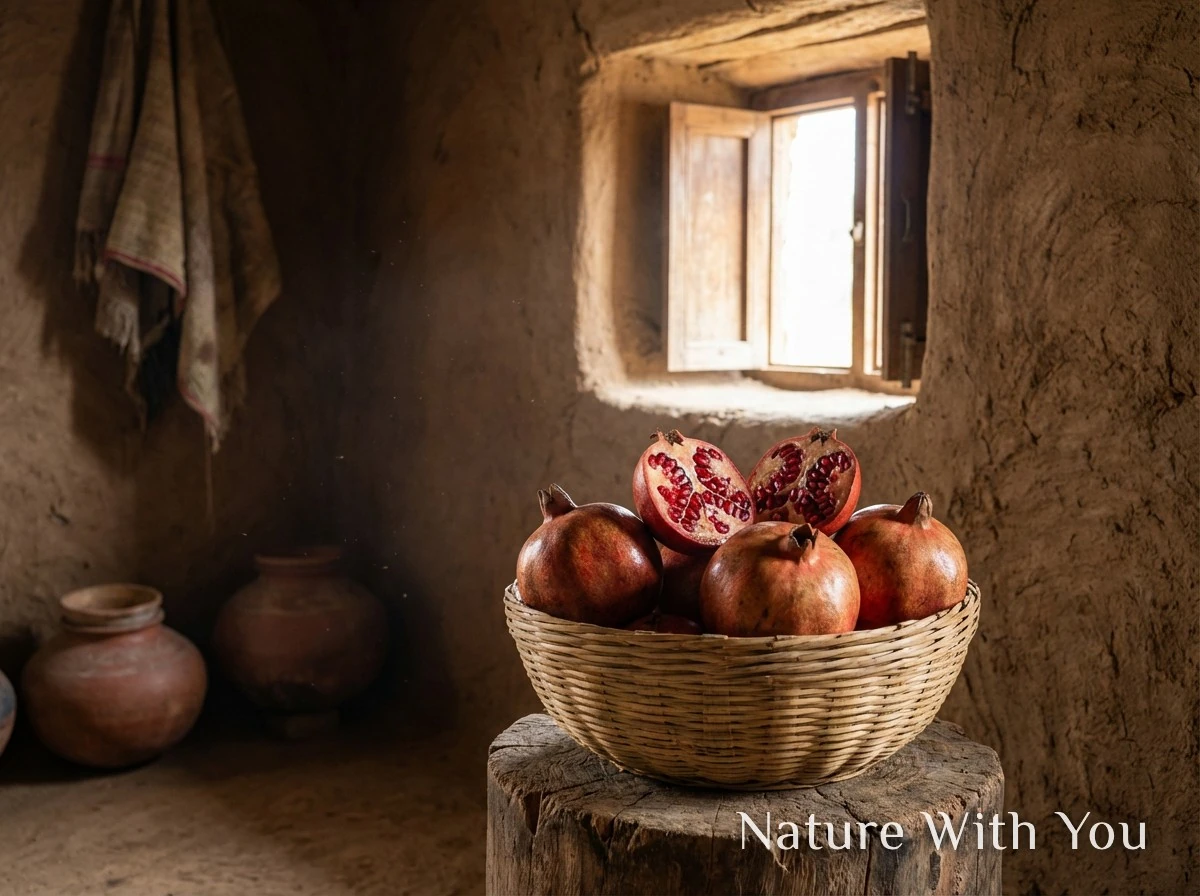
🍎 Pomegranate at a Glance
The pomegranate (Punica granatum) is an ancient superfruit with jewel-like ruby-red arils bursting with juice, flavor, and powerful antioxidants. Revered for over 5,000 years across civilizations — from ancient Persia and Egypt to Ayurvedic India — the pomegranate symbolizes fertility, health, and prosperity. India is one of the world’s leading producers, with Maharashtra’s Solapur and Nashik districts being major growing regions. Known as anar in Hindi, this fruit is celebrated in Indian households for its medicinal properties, refreshing taste, and use in everything from raita and chaat to fresh juice and Unani remedies.
✨ Why It’s Special
- 🛡️ Antioxidant powerhouse — contains punicalagins, a unique class of antioxidants 3x more potent than green tea or red wine
- ❤️ Heart guardian — clinically proven to reduce arterial plaque, lower blood pressure, and improve cholesterol profiles
- 🏛️ Ancient heritage — one of the oldest cultivated fruits, mentioned in the Bible, Quran, Torah, and Ayurvedic texts
- 🔬 Scientifically validated — over 3,000 published studies on pomegranate’s health benefits
- 🇮🇳 Indian significance — Maharashtra produces over 50% of India’s pomegranate crop; the Bhagwa variety is world-renowned
💪 Health Benefits
- ✅ Powerful antioxidant protection — punicalagins and ellagic acid neutralize free radicals, reducing cellular damage and aging
- ✅ Supports heart health — reduces arterial plaque buildup, lowers LDL oxidation, and improves blood vessel function
- ✅ Lowers blood pressure — potassium and polyphenols help relax blood vessels and reduce systolic pressure
- ✅ Boosts immunity — vitamin C and antimicrobial compounds strengthen the body’s defense system
- ✅ Anti-inflammatory — reduces chronic inflammation linked to heart disease, arthritis, and diabetes
- ✅ Supports digestive health — dietary fiber and polyphenols promote healthy gut microbiome
- ✅ Anti-aging for skin — stimulates collagen production and protects against UV-induced skin damage
- ✅ May inhibit cancer cell growth — studies show pomegranate extract may slow proliferation of breast and prostate cancer cells
- ✅ Improves memory and brain health — polyphenols may protect against Alzheimer’s and improve cognitive function
- ✅ Supports joint health — anti-inflammatory compounds may help reduce cartilage damage in arthritis
| Nutrient |
Amount |
| Calories |
83 kcal |
| Carbohydrates |
18.7 g |
| Natural Sugar |
13.67 g |
| Dietary Fiber |
4.0 g |
| Protein |
1.67 g |
| Fat |
1.17 g |
| Vitamin C |
10.2 mg (11% DV) |
| Vitamin K |
16.4 µg (14% DV) |
| Potassium |
236 mg |
| Folate |
38 µg |
| Magnesium |
12 mg |
Note: While pomegranate’s vitamin C is modest compared to citrus, its real superpower lies in punicalagins — a class of polyphenol antioxidants found almost exclusively in pomegranates. These compounds give pomegranate juice an antioxidant capacity 3x higher than red wine or green tea.
🔄 Quick Comparison: Pomegranate vs Grapes — Antioxidant Battle
| Parameter |
🍎 Pomegranate (per 100g) |
🍇 Grapes (per 100g) |
| Calories |
83 kcal |
69 kcal |
| Dietary Fiber |
4.0 g |
0.9 g |
| Vitamin C |
10.2 mg |
3.2 mg |
| Vitamin K |
16.4 µg |
14.6 µg |
| Potassium |
236 mg |
191 mg |
| Natural Sugar |
13.67 g |
16.25 g |
| Key Antioxidant |
Punicalagins |
Resveratrol |
| Best For |
Heart health & anti-aging |
Skin health & anti-inflammation |
Verdict: Pomegranate wins with 4.4x more fiber, 3x more vitamin C, and its unique punicalagins that deliver unmatched antioxidant potency. Grapes counter with resveratrol (especially red/black varieties), lower calories, and convenient snacking. Both are antioxidant stars — pomegranate is the heavy hitter, grapes are the everyday easy option.
📅 Seasonal Availability
- 🍁 Peak season in India: September to February (autumn through winter)
- 🌤️ India has three harvest seasons — Mrig Bahar (Oct–Jan), Hasta Bahar (Feb–May), and Ambia Bahar (Jun–Sep)
- 🇮🇳 Maharashtra, Karnataka, Rajasthan, and Gujarat are top producing states
- 🌍 Available in many countries from August through January; imported varieties extend availability
- ❄️ Winter pomegranates are typically the sweetest and juiciest of the year
🛒 How to Choose & Store Pomegranate
How to Choose
- 🔴 Select pomegranates with deep red or reddish-brown skin (not bright red)
- ⚖️ Pick fruits that feel heavy for their size — heavier means juicier arils
- 👌 Skin should be firm, taut, and smooth without cracks
- 📐 Angular, squared-off shape indicates ripe, well-filled arils (perfectly round ones may be underripe)
- ❌ Avoid fruits with soft spots, mold, or shriveled skin
How to Store
- 🌡️ Room temperature: Keeps for 1–2 weeks in a cool, dry place
- ❄️ Refrigerator: Whole fruit stays fresh for 2–3 weeks
- 🧊 Arils: Store in an airtight container in the fridge for 3–5 days
- 🧊 Frozen arils: Spread on a tray, freeze, then transfer to a bag — lasts 3–6 months
🥄 How to Use / Consume
Fresh Consumption
- 🍎 Eat fresh arils as a snack — nature’s candy
- 🥗 Sprinkle over salads, yogurt, or oatmeal for a burst of color and nutrition
- 🍽️ Add to raita or dahi for a traditional Indian accompaniment
Beverages
- 🥤 Fresh pomegranate juice — one of the healthiest fruit juices available
- 🍹 Pomegranate mocktail with soda, lime, and mint
- 🍵 Anardana (dried pomegranate) water — a traditional digestive drink
Cooked & Desserts
- 🍛 Sprinkle arils over biryani, pulao, or curries for flavor and garnish
- 🍰 Add to desserts — fruit tarts, pannacotta, or kheer
- 🥘 Use dried pomegranate seeds (anardana) as a souring agent in North Indian cooking
- 🍫 Chocolate-dipped pomegranate arils — an elegant party snack
Tips
- 💡 To de-seed easily: cut in half, hold cut-side down over a bowl, and tap firmly with a wooden spoon
- 🌊 Alternatively, score the fruit and break apart in a bowl of water — arils sink, pith floats
- 🧤 Wear an apron — pomegranate juice stains!
⚠️ Precautions
- ❗ Natural sugar content — 13.67g per 100g; diabetics should limit to ½ cup arils at a time
- ❗ Drug interactions — pomegranate juice can interact with blood thinners (warfarin), statins, and ACE inhibitors
- ❗ Digestive discomfort — overconsumption may cause nausea, vomiting, or diarrhea
- ❗ Allergic reactions — rare but possible; symptoms include itching, swelling, or difficulty breathing
- ❗ Avoid packaged juices — commercial pomegranate juices often contain added sugars and preservatives
- ❗ Staining — pomegranate juice leaves stubborn stains on clothes and surfaces
- ❗ Kidney concerns — high potassium; those with kidney disease should consult a doctor before regular consumption
🎉 Fun Facts
- 💎 The pomegranate is often called a “superfruit” — and science backs it up with over 3,000 studies
- 🏛️ Ancient Egyptians were buried with pomegranates as symbols of eternal life
- ❤️ In Greek mythology, pomegranate is linked to Persephone and the underworld
- 🌍 The word “pomegranate” comes from Latin pomum granatum, meaning “seeded apple”
- 🇮🇳 India’s Bhagwa (Ruby) pomegranate variety is one of the most commercially successful in the world
- 🧃 Pomegranate juice has been used in Ayurvedic and Unani medicine for thousands of years
- 🎨 The juice was historically used as a natural dye for textiles and leather
- 🧬 A single pomegranate can contain 600–1,400 arils (seeds)
- 🏆 The pomegranate is the national fruit of Iran and appears on many ancient coins
- 🌱 Pomegranate trees can live and produce fruit for over 200 years
🍽️ Popular Recipes to Try
- 🥤 Fresh Pomegranate Juice — pure antioxidant elixir with no added sugar
- 🥗 Pomegranate Raita — arils mixed with yogurt, cumin, and mint — a classic Indian side dish
- 🍛 Anar ki Chutney — tangy-sweet condiment made with arils, mint, and spices
- 🥙 Pomegranate Walnut Salad — arils with walnuts, feta, and balsamic dressing
- 🍰 Pomegranate Pannacotta — creamy Italian dessert topped with pomegranate syrup
- 🍫 Chocolate Pomegranate Clusters — dark chocolate with crunchy pomegranate arils
- 🍚 Pomegranate Pulao — fragrant rice dish garnished with jewel-like arils
Frequently Asked Questions (FAQs)
Q: Can diabetics eat pomegranate?
A: Yes, pomegranate is beneficial for diabetics when eaten in moderation. It has a low glycemic index (around 35), high fiber content, and compounds that may improve insulin sensitivity. Limit to 1/2 cup arils (80g) at a time. Avoid pomegranate juice with added sugars - fresh arils are best. Monitor blood sugar levels.
Q: Is pomegranate juice as healthy as eating the arils?
A: Whole arils are healthier. They contain fiber that slows sugar absorption, promotes fullness, and supports digestion. Juice lacks fiber and has concentrated sugars. If drinking juice, choose 100% pure pomegranate juice (no added sugar), limit to 4-6 oz daily, and pair with fiber-rich foods.
Q: Does pomegranate help lower blood pressure?
A: Yes, pomegranate has been shown to help lower blood pressure naturally. It contains polyphenols and potassium that improve blood vessel function and reduce arterial stiffness. Studies show drinking 5 oz of pomegranate juice daily may reduce systolic blood pressure. Consult your doctor if on blood pressure medications.
Q: How do I easily remove pomegranate arils without mess?
A: Cut the pomegranate in half, hold it cut-side down over a bowl, and firmly tap the back with a wooden spoon - the arils will fall out. Alternatively, score the pomegranate into quarters, submerge in a bowl of water, and separate arils underwater. The arils sink while the white membrane floats, making cleanup easy.
Q: Can pregnant women eat pomegranate?
A: Yes, pomegranate is safe and beneficial during pregnancy. It’s rich in folate (prevents birth defects), vitamin C, iron (prevents anemia), fiber (relieves constipation), and antioxidants. Limit to 1 cup of arils daily. Avoid pomegranate supplements or extracts without medical supervision. Always wash fruit thoroughly.
Q: How does pomegranate compare to grapes for antioxidants?
A: Pomegranate has significantly higher overall antioxidant capacity than grapes. Its unique punicalagins provide antioxidant activity 3x stronger than green tea or red wine. Grapes offer resveratrol, which is excellent for heart health and anti-aging, but in lower overall potency. For maximum antioxidant benefit, pomegranate is the stronger choice.

Explore More: Fruits • Vegetables • Herbs & Spices • Natural Remedies • Seasonal Picks • Wellness Tips
📚 Sources
- USDA FoodData Central — Pomegranates, raw (NDB #09286)
- Aviram, M. & Rosenblat, M. (2012). “Pomegranate Protection against Cardiovascular Diseases.” Evidence-Based Complementary and Alternative Medicine.
- Sharma, P. et al. (2017). “Pomegranate Phytochemicals: Nutraceutical and Therapeutic Values.” Fruit, Vegetable and Cereal Science and Biotechnology, Global Science Books.
← Back to Fruits