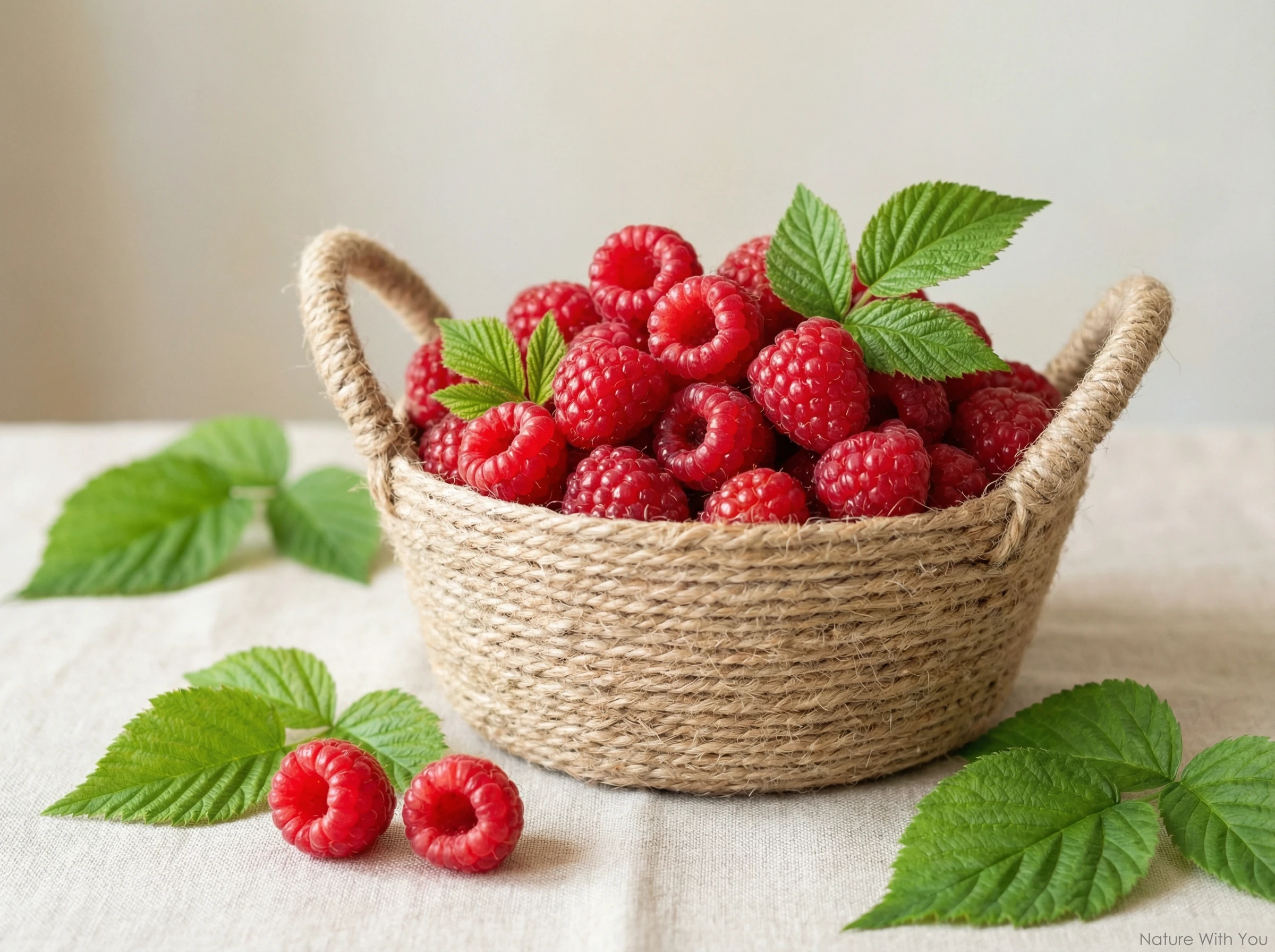
🫐 Raspberry at a Glance
Raspberry is a fiber powerhouse and superfruit offering one of the highest fiber contents among fruits (6.5g per 100g). With powerful antioxidants like ellagic acid, vitamin C, and raspberry ketones, raspberries support weight loss, heart health, immunity, and diabetes management while being low in calories and delicious. In India, raspberries are mostly imported and available in premium stores, though small-scale cultivation occurs in Himalayan regions like Himachal Pradesh and Uttarakhand.
✨ Why It’s Special / Importance
- 💪 Fiber champion — at 6.5g per 100g, raspberries have one of the highest fiber-to-calorie ratios among all fruits
- 🔬 Ellagic acid powerhouse — contains this rare antioxidant studied for anti-cancer and anti-inflammatory properties
- 🤰 Women’s wellness berry — raspberry leaf tea has been used for centuries to support pregnancy and childbirth
- 🏋️ Weight-loss friendly — low sugar (4.4g), high fiber, and only 52 calories per 100g make it ideal for keto and calorie-conscious diets
- 🌈 Multi-coloured varieties — available in red, black, golden, and purple, each with unique antioxidant profiles
💪 Health Benefits
- ✅ Exceptionally high in dietary fiber (6.5g per 100g) — promotes satiety and digestive health
- ✅ Rich in ellagic acid — powerful antioxidant with potential anti-cancer properties
- ✅ High vitamin C content (44% RDI) boosts immunity and collagen production
- ✅ Contains raspberry ketones that may aid fat metabolism and weight loss
- ✅ Supports heart health by reducing inflammation and improving cholesterol levels
- ✅ Helps regulate blood sugar levels — low glycemic index, diabetes-friendly
- ✅ Anti-inflammatory properties reduce chronic inflammation throughout the body
- ✅ Rich in anthocyanins — protect brain health and cognitive function
- ✅ Supports healthy vision with antioxidants like lutein and zeaxanthin
- ✅ Raspberry leaf tea traditionally used to support pregnancy and childbirth
| Nutrient |
Amount |
| Calories |
52 kcal |
| Carbohydrates |
11.9 g |
| Natural Sugar |
4.4 g (LOW!) |
| Fiber |
6.5 g (HIGH!) |
| Protein |
1.2 g |
| Fat |
0.7 g |
| Vitamin C |
26.2 mg (44% RDI) |
| Vitamin K |
7.8 mcg |
| Manganese |
0.67 mg (32% RDI) |
| Magnesium |
22 mg |
| Potassium |
151 mg |
| Folate |
21 mcg |
Note: Raspberries have one of the highest fiber-to-calorie ratios among all fruits, making them excellent for weight management. They also contain significant ellagic acid, a polyphenol not commonly found in most fruits.
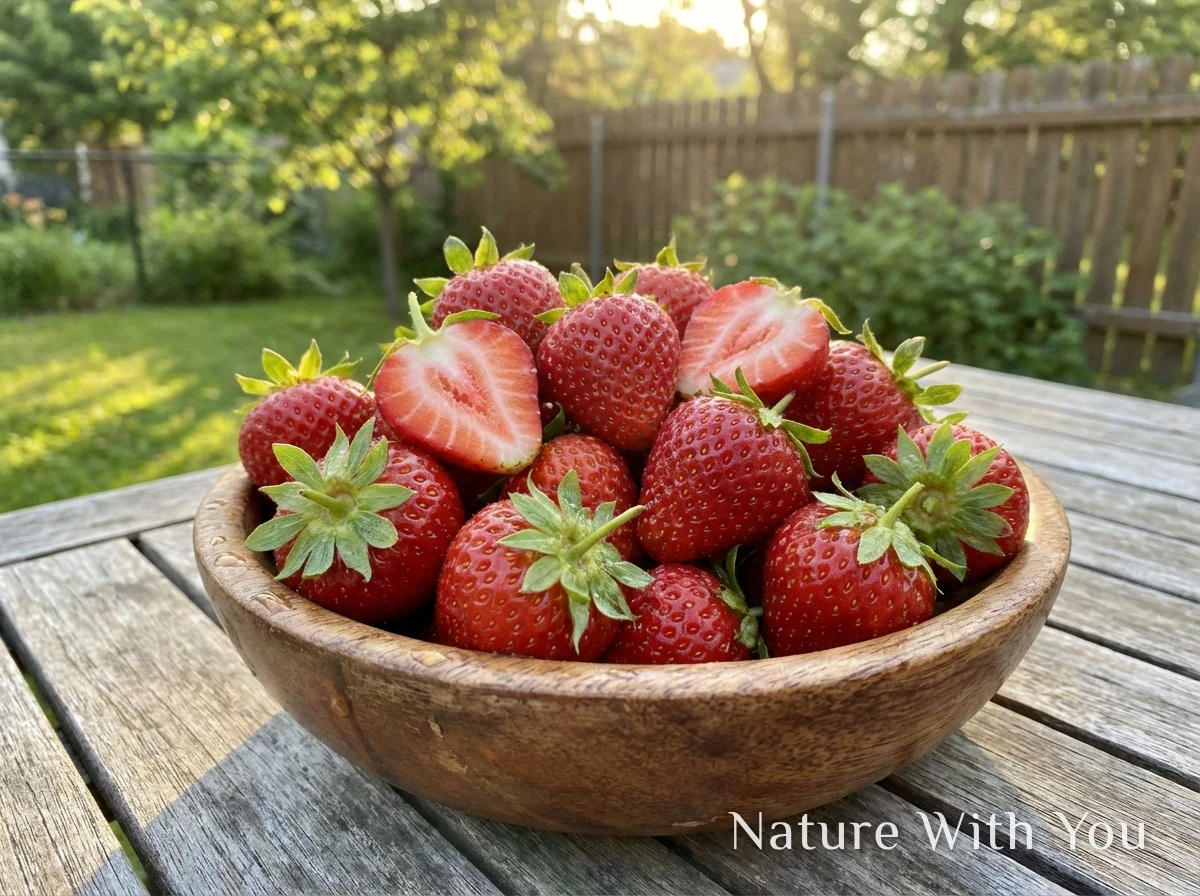
🔄 Quick Comparison: Raspberry vs Strawberry — Berry Battle
| Feature |
🫐 Raspberry (100g) |
🍓 Strawberry (100g) |
| Calories |
52 kcal |
32 kcal |
| Fiber |
⭐ 6.5 g |
2.0 g |
| Vitamin C |
26.2 mg |
⭐ 58.8 mg |
| Natural Sugar |
⭐ 4.4 g (lower) |
4.9 g |
| Protein |
⭐ 1.2 g |
0.7 g |
| Key Antioxidant |
Ellagic Acid |
Anthocyanins |
| Best For |
Weight Loss & Fiber |
Vitamin C & Skin |
| Availability (IN) |
Imported / Premium |
Seasonal / Affordable |
📅 Seasonal Availability
Raspberry has seasonal summer availability with global access:
- 🌞 June to September (Peak season in temperate regions globally)
- 🌍 Mostly imported to India from the USA, Europe, and Chile
- 🧊 Frozen raspberries available year-round worldwide
- 🏔️ Can grow in cooler regions of India (Himachal Pradesh, Uttarakhand) with limited cultivation
- 📦 Fresh raspberries available in premium supermarkets in metro cities
🛒 How to Choose & Store Raspberries
How to Choose
For Fresh Raspberries:
- 🔴 Bright, vibrant red color (or black/golden depending on variety)
- ✨ Plump, firm, and dry (not mushy or wet)
- 🌿 Free from mold, bruising, or leaking juice
- 👃 Sweet, mild fragrance (avoid sour or fermented smell)
- 📦 Check the bottom of the container for moisture or mold
- ⚪ White “bloom” (powdery coating) is natural and safe
Avoid:
- ❌ Mushy, leaking, or overly soft berries
- ❌ Moldy or crushed berries
- ❌ Berries stuck together or to the container (indicates moisture)
- ❌ Dull color or shriveled appearance
How to Store
- 🧊 Fresh raspberries: Refrigerate unwashed in original container for 2–3 days
- 🌡️ Wash only just before eating to prevent quick spoilage
- ❄️ Freezing: Spread on a tray, freeze, then store in bags for up to 12 months
- 🥫 Jam/preserves: Properly canned raspberry jam lasts up to a year
- 🍵 Dried raspberries: Store in airtight container for several months
Tip: Raspberries are highly perishable — consume fresh ones quickly!
🥄 How to Use / Consume
Fresh Consumption
- 🍇 Eat fresh directly as a snack
- 🥗 Add to fruit salads and green salads
- 🥣 Top yogurt, oatmeal, cereal, or smoothie bowls
- 🥤 Blend into smoothies and juices
- 🧁 Use in muffins, cakes, and desserts
Beverages
- 🥤 Blend into protein shakes and smoothies
- 🧃 Prepare raspberry juice or lemonade
- 🫖 Brew raspberry leaf tea (herbal infusion)
- 🍹 Infuse in water, cocktails, or mocktails
Cooked & Desserts
- 🍓 Make raspberry jam, jelly, or preserves
- 🥧 Use in pies, crumbles, tarts, and cobblers
- 🍰 Create raspberry sauce or coulis for desserts
- 🍨 Blend into nice cream, sorbet, or ice cream
- 🥣 Mix into hot or cold breakfast cereals
Tips
- 🚿 Rinse gently under cold water just before eating
- 🧊 Use frozen raspberries in cooking — equally nutritious and more affordable
- 🍓 Fresh raspberries are delicate — handle with care
- 🤰 Raspberry leaf tea is traditionally used in the third trimester (consult doctor)
⚠️ Precautions
- ❗ Highly perishable — consume fresh raspberries quickly to avoid spoilage
- ❗ May cause allergic reactions in people sensitive to berries or salicylates
- ❗ Excessive consumption may cause digestive upset or diarrhea (high fiber)
- ❗ Raspberry seeds may be difficult to digest for some people
- ❗ Raspberry leaf tea should be used cautiously during pregnancy — consult doctor
- ❗ May interfere with blood clotting (vitamin K) — consult doctor if on blood thinners
- ❗ Often treated with pesticides — wash thoroughly or buy organic
- ❗ High oxalate content — consume in moderation if prone to kidney stones
🎉 Fun Facts
- 🍓 Raspberries are not true berries — they’re aggregate fruits made of many tiny drupelets
- 🌈 Raspberries come in red, black, golden/yellow, and even purple varieties
- 🇺🇸 The USA (Washington, Oregon, California) produces about 90% of the world’s raspberries
- 🏆 Raspberries have one of the highest fiber contents among fruits
- 🌳 A single raspberry bush can produce fruit for 15–20 years
- 🔬 Raspberry ketones have been studied for their potential weight loss properties
- 🤰 Raspberry leaf tea has been used for centuries to support pregnancy and labor
- 🎨 The vibrant red color comes from anthocyanins, powerful antioxidants
- 🧬 Each raspberry is made up of 100–120 individual drupelets
- 📜 Raspberries have been cultivated since the 16th century in Europe
🍽️ Popular Recipes to Try
- Raspberry Smoothie Bowl (Blended with banana and yogurt)
- Raspberry Chia Pudding (Healthy breakfast or dessert)
- Raspberry Jam (Sweet preserve for toast and pastries)
- Raspberry Pie/Tart (Classic berry dessert)
- Raspberry Yogurt Bowl (Topped with granola and nuts)
- Raspberry Lemonade (Refreshing summer drink)
- Raspberry Leaf Tea (Herbal wellness infusion)
Frequently Asked Questions (FAQs)
Q: Are fresh or frozen raspberries better?
A: Both are equally nutritious! Fresh raspberries have better texture and flavor when eaten raw. Frozen raspberries are picked at peak ripeness, retain nutrients well, are more affordable, available year-round, and perfect for smoothies and cooking. Choose based on use and availability.
Q: Is raspberry leaf tea safe during pregnancy?
A: Raspberry leaf tea has been traditionally used to support pregnancy, especially in the third trimester, as it may tone the uterus and prepare for labor. However, it should be used cautiously and only after consulting your doctor or midwife. Avoid in the first trimester.
Q: Do raspberry ketones really help with weight loss?
A: Raspberry ketones are compounds that give raspberries their aroma. Some studies suggest they may boost fat metabolism, but evidence is limited and mostly from animal studies. Eating whole raspberries (high fiber, low calorie) is more proven for weight management than ketone supplements.
Q: How should I store fresh raspberries?
A: Refrigerate fresh raspberries unwashed in their original container for 2–3 days. Wash gently just before eating to prevent moisture buildup and mold. For long-term storage, freeze raspberries on a tray, then transfer to freezer bags for up to 12 months.
Q: What’s the white coating on raspberries?
A: The white powdery coating is called “bloom” — a natural, waxy substance that protects the berries from moisture loss and bacteria. It’s completely safe to eat and actually indicates freshness. Simply rinse gently before consuming.
Q: Can raspberries be grown in India?
A: Yes, but with limitations. Raspberries prefer cool, temperate climates and grow best in Himalayan regions like Himachal Pradesh, Uttarakhand, and Kashmir. Cultivation is limited due to climate requirements. Most raspberries in Indian markets are imported from the USA, Europe, or Chile.
Explore More: Fruits • Vegetables • Herbs & Spices • Natural Remedies • Seasonal Picks • Wellness Tips
📚 Sources
- USDA FoodData Central — Raspberries, raw (NDB 09302)
- Burton-Freeman, B.M. et al. (2016). “Red Raspberries and Their Bioactive Polyphenols.” Advances in Nutrition, 7(1), 44–65.
- Basu, A. et al. (2010). “Berries: Emerging impact on cardiovascular health.” Nutrition Reviews, 68(3), 168–177.
← Back to Fruits