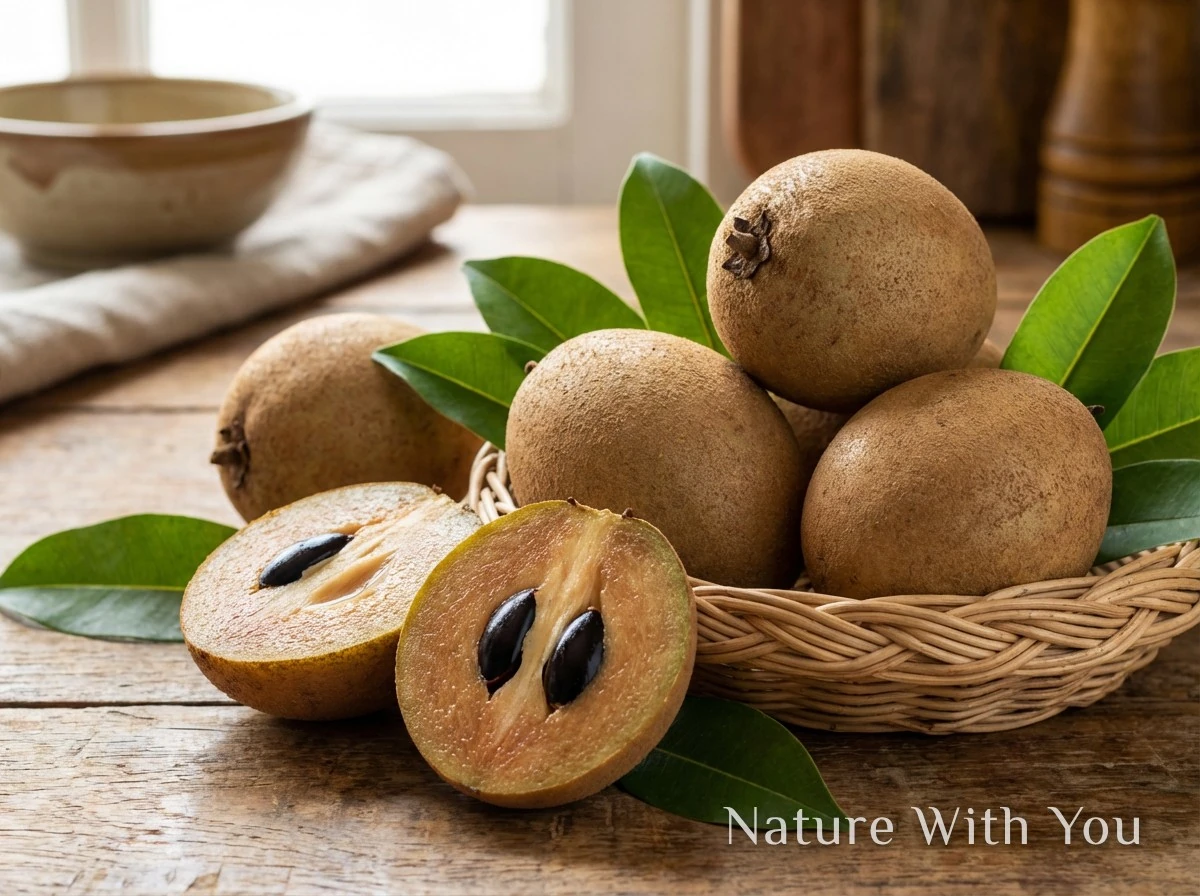
🍈 Sapota (Chikoo) at a Glance
Sapota, known as chikoo (चीकू) across India, is a beloved tropical fruit with soft, grainy, caramel-sweet brown pulp and a flavor often compared to brown sugar or pear with a hint of cinnamon. Scientifically known as Manilkara zapota, it belongs to the Sapotaceae family and is native to Central America and Mexico. In India, chikoo is one of the most popular everyday fruits — widely cultivated in Gujarat, Maharashtra, Karnataka, Tamil Nadu, and Andhra Pradesh. The sapota tree is also the source of chicle, the original base for chewing gum. Packed with dietary fiber (5.3 g per 100g), natural sugars, and essential minerals, chikoo is a natural energy booster and a kitchen staple for milkshakes, desserts, and fresh eating.
✨ Why It’s Special
- 🍮 Nature’s caramel — one of the sweetest natural fruits with a rich, brown-sugar-like flavor that needs no added sweetener
- 🌳 Century-old trees — sapota trees are evergreen and remarkably long-lived, with some specimens surviving over 100 years
- 🫧 Chicle connection — the sapota tree produces chicle latex, which was the original base ingredient for chewing gum worldwide
- 🇮🇳 India is the world’s largest producer — Gujarat alone accounts for a significant share of global sapota production
- 💪 Fiber powerhouse — at 5.3 g per 100g, chikoo has nearly double the fiber content of apples and bananas
💪 Health Benefits
- ✅ Excellent natural energy booster — high natural sugars (fructose and sucrose) provide quick, sustained energy without caffeine
- ✅ Outstanding digestive health — 5.3 g fiber per 100g promotes regularity, prevents constipation, and supports a healthy gut
- ✅ Rich in tannins — natural tannins have anti-inflammatory, antibacterial, and antiviral properties
- ✅ Promotes healthy skin — antioxidants and vitamin C support collagen production and combat premature aging
- ✅ Strengthens bones — good source of calcium, phosphorus, and magnesium for bone density and strength
- ✅ Supports immunity — vitamin C (21 mg per 100g) helps fight infections and supports immune defense
- ✅ Natural sedative properties — traditionally used in Ayurveda to calm nerves, reduce anxiety, and promote restful sleep
- ✅ Beneficial during pregnancy — provides folate, iron, fiber (for constipation), and easily digestible natural energy
- ✅ Supports eye health — contains vitamin A precursors that protect vision and maintain retinal health
- ✅ Anti-diarrheal properties — tannins in slightly unripe sapota can help manage diarrhea and loose stools
| Nutrient |
Amount |
| Calories |
83 kcal |
| Carbohydrates |
19.9 g |
| Natural Sugar |
~14 g |
| Fiber |
5.3 g |
| Protein |
0.4 g |
| Fat |
1.1 g |
| Vitamin C |
21 mg |
| Potassium |
193 mg |
| Magnesium |
12 mg |
| Iron |
0.8 mg |
| Calcium |
21 mg |
| Phosphorus |
12 mg |
Note: Sapota stands out for its exceptionally high fiber content — 5.3 g per 100g is nearly double that of most common fruits. Its tannin content gives it unique anti-inflammatory and antibacterial properties not found in many other fruits.
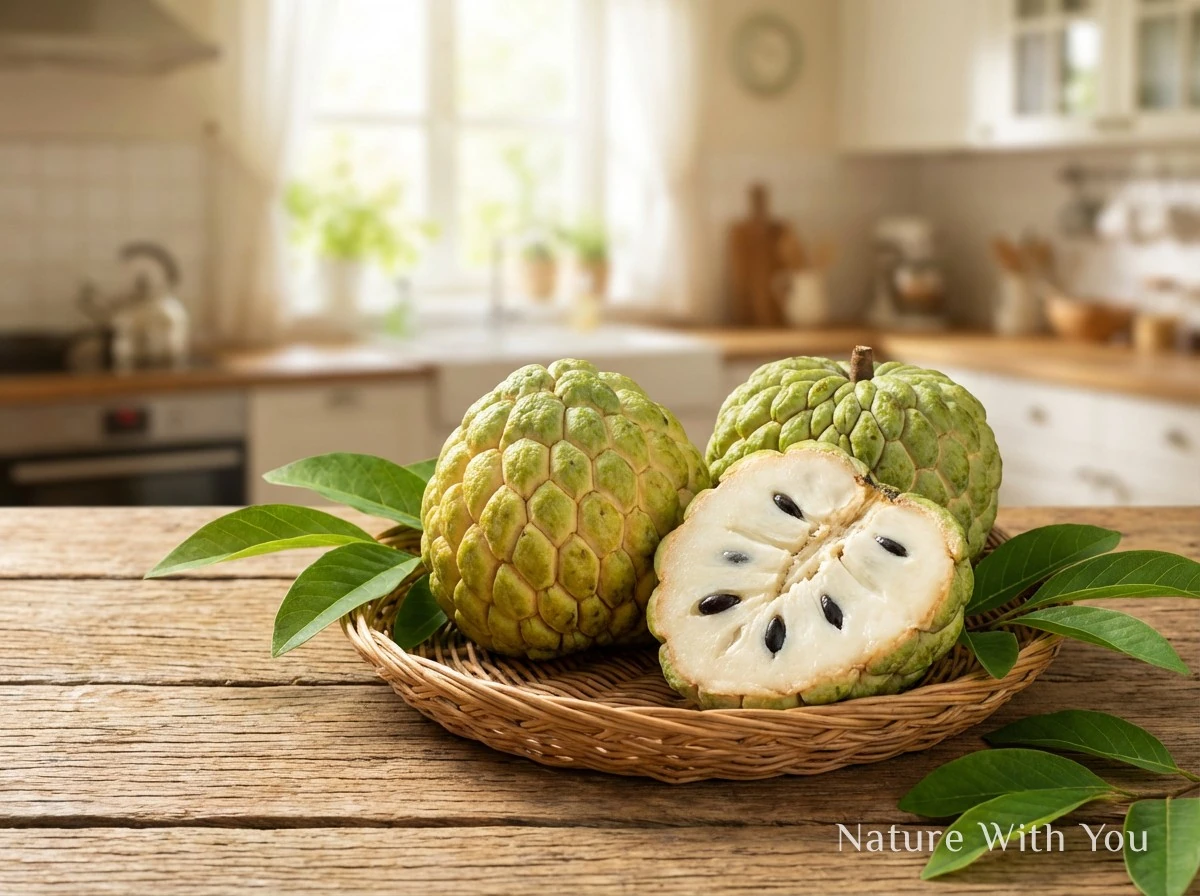
🔄 Quick Comparison: Sapota vs Custard Apple — Indian Sweet Fruits
| Feature |
Sapota (Chikoo) |
Custard Apple (Sitaphal) |
| Calories (100g) |
83 kcal |
94 kcal |
| Fiber |
5.3 g |
4.4 g |
| Natural Sugar |
~14 g |
~12.9 g |
| Vitamin C |
21 mg |
19.2 mg |
| Potassium |
193 mg |
247 mg |
| Taste Profile |
Caramel, brown sugar |
Creamy, custard-like |
| Best For |
Energy, fiber, digestion |
Iron, potassium, creamy texture |
| Peak Season |
Year-round (Oct–Jun peak) |
September–December |
📅 Seasonal Availability
- 🌤 January to May — peak season with maximum sweetness and abundant supply
- 🍂 September to December — second peak season with good availability
- ☀️ Warm tropical climates — thrives in Gujarat, Maharashtra, Karnataka, Tamil Nadu, and Andhra Pradesh
- 📦 Nearly year-round in Indian markets, though quality and sweetness peak during the main seasons
- 🛒 Widely available — found at local fruit vendors, supermarkets, and mandis across India at affordable prices
🛒 How to Choose & Store Sapota
How to Choose
For Ripe Sapota:
- 🍂 Light brown, smooth skin without major cracks or blemishes
- 👌 Yields slightly to gentle pressure (like a ripe avocado) — soft but not mushy
- 👃 Sweet, pleasant aroma near the stem end
- ⚖️ Feels heavy for its size (indicates juiciness)
Avoid:
- ❌ Rock-hard, greenish-brown fruit (underripe — contains unpleasant latex)
- ❌ Overly soft, mushy, or leaking fruit
- ❌ Cracked skin with visible mold or dark discoloration
- ❌ Fermented or sour smell
How to Store
- 🧺 Unripe chikoo: Keep at room temperature for 2–5 days until soft; placing alongside bananas speeds ripening
- 🧊 Ripe chikoo: Refrigerate and consume within 2–3 days for best quality
- 🍽 Cut fruit: Store in airtight container and consume within 6–8 hours (browns quickly)
- ❄ Freezing: Scoop pulp, discard seeds, freeze in portions for milkshakes and ice cream (lasts 2–3 months)
- 💡 Tip: Do not refrigerate unripe sapota — cold halts the ripening process
🥄 How to Use / Consume
Fresh Consumption
- 🍮 Cut in half or quarters, remove seeds, and scoop out the soft pulp with a spoon
- 🍴 Peel the thin skin and eat the flesh directly as a sweet snack
- 🥗 Add cubes to fruit bowls, yogurt, or oatmeal for natural sweetness
- 🥣 Mash ripe chikoo into baby food (excellent first fruit for infants over 6 months)
Beverages
- 🥤 Chikoo milkshake — the most popular way to enjoy sapota in India; blend with chilled milk and a pinch of cardamom
- 🧃 Make chikoo smoothies with banana, dates, and almond milk
- 🍹 Blend into lassi or buttermilk for a sweet, creamy twist
Cooked & Desserts
- 🍨 Chikoo ice cream and kulfi — traditional Indian frozen desserts
- 🍰 Use pulp in cakes, puddings, halwa, and barfi
- 🍯 Make chikoo jam or preserve for year-round enjoyment
- 🧁 Add to kheer, payasam, or sheera for natural sweetness without refined sugar
- 🍮 Prepare chikoo fudge or ladoo for festive occasions
Tips
- 🧊 Chill ripe chikoo before eating for the best refreshing experience
- 🌰 Pair with nuts (almonds, cashews) to balance the sugar with protein and healthy fats
- 🍌 Combine with banana in milkshakes for extra creaminess
⚠️ Precautions
- ❗ High natural sugar content (~14 g per 100g) — diabetics should consume in moderation and monitor blood sugar levels
- ❗ Seeds are NOT edible — hard, shiny black seeds must be removed before eating; they contain saponins that can cause digestive issues if swallowed
- ❗ Unripe sapota contains latex — eating unripe fruit can cause mouth irritation, throat itching, and an unpleasant astringent taste
- ❗ Calorie-dense (83 kcal per 100g) — those watching calories or trying to lose weight should limit portion sizes
- ❗ Overeating may cause bloating — high fiber and sugar content can lead to gas, bloating, or indigestion in excess
- ❗ Browns quickly once cut — consume cut fruit within hours or add lemon juice to slow oxidation
- ❗ Not ideal for low-sugar diets — higher glycemic load than many other fruits
🎉 Fun Facts
- 🌳 Sapota trees are evergreen and remarkably long-lived — some trees in Mexico are over 100 years old and still producing fruit
- 🫧 The sapota tree produces chicle, the original natural base for chewing gum — the Wrigley company once depended on it
- 🍮 Chikoo’s flavor is often described as a blend of caramel, brown sugar, and pear with a hint of cinnamon
- 🇮🇳 India is the world’s largest producer of sapota, with Gujarat leading production
- 🐝 Sapota flowers rely heavily on insect pollination, particularly by small beetles and bees
- 🌴 The tree was brought to India by the Portuguese during the colonial era and thrived in the tropical climate
- 🧱 Sapota wood is extremely hard and durable — it was used by the Maya civilization to build temples and structures
- 🥛 Chikoo milkshake is one of the most ordered fruit beverages at juice shops across India
- 🌍 Also known as naseberry in the Caribbean, zapote in Spanish-speaking countries, and sawo in Indonesia
- 🍈 A single mature sapota tree can produce 2,000–3,000 fruits per year
🍽️ Popular Recipes to Try
- Chikoo Milkshake — blended with chilled milk, cardamom, and a drizzle of honey
- Chikoo Ice Cream — creamy homemade ice cream using fresh sapota pulp
- Chikoo Halwa — traditional Indian dessert with ghee, sugar, and nuts
- Sapota Smoothie Bowl — topped with granola, sliced banana, and chia seeds
- Chikoo Kulfi — Indian frozen dessert with condensed milk and pistachios
- Chikoo Barfi — festive sweet made with chikoo pulp, khoya, and cardamom
- Tropical Fruit Salad — chikoo with mango, banana, and a squeeze of lime
Frequently Asked Questions (FAQs)
Q: Can diabetics eat sapota (chikoo)?
A: Sapota should be eaten cautiously by diabetics due to its high natural sugar content (~14 g per 100g) and medium glycemic index (55–60). Limit to half or one small chikoo at a time, choose slightly firm fruits over very ripe ones, pair with protein or nuts to slow sugar absorption, and monitor blood sugar. Consult your doctor for personalized advice.
Q: How do I know when sapota is ripe and ready to eat?
A: A ripe sapota is light brown, yields slightly to gentle pressure (like a ripe avocado), and has a sweet aroma. The skin may develop small surface cracks. Unripe chikoo is hard and greenish-brown with an unpleasant latex taste. Let unripe fruit ripen at room temperature for 2–5 days. Once ripe, refrigerate and consume within 2–3 days.
Q: Can pregnant women eat sapota?
A: Yes, sapota is beneficial during pregnancy when eaten in moderation. It provides quick energy, fiber (prevents constipation — a common pregnancy issue), iron (prevents anemia), calcium (supports baby’s bone development), and folate. Limit to 1 chikoo daily due to high sugar content. Always ensure the fruit is ripe and fresh.
Q: Why does sapota have a grainy or gritty texture?
A: The characteristic grainy texture comes from stone cells (sclereids) in the fruit’s flesh — this is completely natural and one of sapota’s unique features. As the fruit ripens further, the texture softens somewhat but retains a slight graininess. This texture is what makes chikoo distinctive and is perfectly safe to eat.
Q: Is sapota good for weight loss?
A: Sapota is not the best choice for active weight loss due to its relatively high calorie (83 kcal) and sugar content (~14 g per 100g). However, it can be enjoyed occasionally in small portions — its high fiber content (5.3 g) provides satiety and digestive benefits. Eat earlier in the day for better energy utilization.
Q: Can I eat sapota seeds?
A: No. Sapota seeds are NOT edible and should always be discarded. They are hard, shiny, and black with a small hook that could scratch the throat if swallowed. The seeds contain saponins that can cause digestive discomfort. Only consume the soft, sweet brown pulp.
Explore More: Fruits • Vegetables • Herbs & Spices • Natural Remedies • Seasonal Picks • Wellness Tips
📚 Sources
- USDA FoodData Central — Sapodilla, raw. NDB Number: 09322.
- Morton, J.F. (1987). “Sapodilla.” In Fruits of Warm Climates, pp. 393–398. Miami, FL.
- Bose, T.K. & Mitra, S.K. (2001). “Sapota.” In Fruits: Tropical and Subtropical, Vol. 1. Naya Udyog, Kolkata.
← Back to Fruits