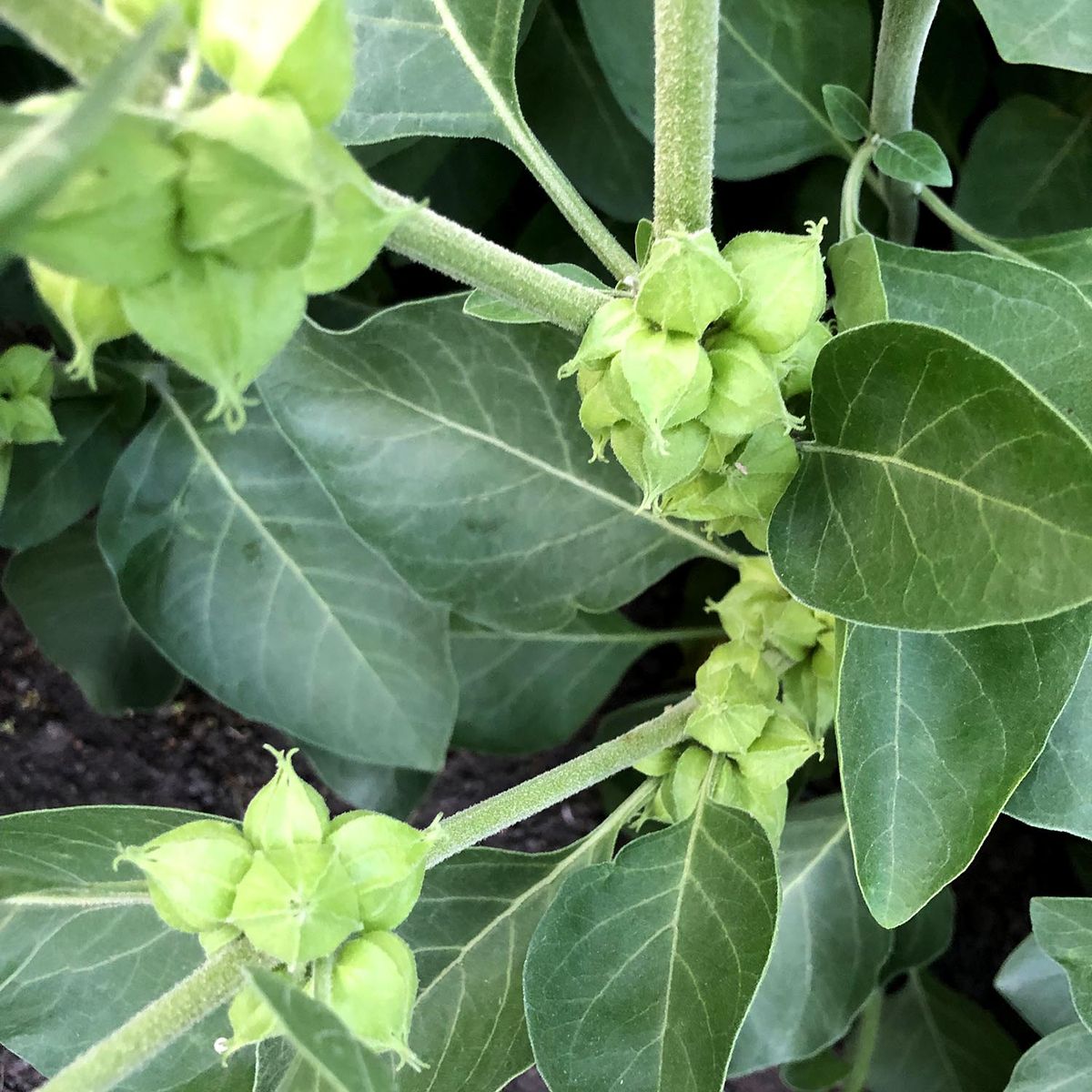
Discover Ashwagandha (Indian Ginseng), a powerful adaptogenic herb used in Ayurveda for reducing stress, boosting energy, enhancing immunity, and promoting restful sleep.
Mon, Feb 9, 2026Ashwagandha (Withania somnifera), known as Indian Ginseng or Winter Cherry, is one of the most important herbs in Ayurveda. Its roots contain withanolides (particularly withaferin A) – bioactive compounds with adaptogenic, anti-inflammatory, and neuroprotective properties. Used for over 3,000 years, Ashwagandha helps the body cope with stress, improves energy, enhances cognitive function, and promotes restorative sleep.
Ashwagandha (Withania somnifera), known as Indian Ginseng or Winter Cherry, is an ancient medicinal herb that has been the cornerstone of Ayurvedic medicine for over 3,000 years. Classified as a Rasayana (rejuvenator) and one of the most powerful adaptogens, it helps the body resist physical and mental stress while improving overall vitality. Its name literally means “smell of horse” – symbolizing the strength and vigor it bestows.
Rasa (Taste): Tikta (Bitter), Kashaya (Astringent) Virya (Potency): Ushna (Hot) Vipaka (Post-digestive): Madhura (Sweet) Dosha Effect: Balances Vata and Kapha; may aggravate Pitta in excess
Classical Applications:
| Nutrient | Amount |
|---|---|
| Calories | 245 kcal |
| Carbohydrates | 49 g |
| Fiber | 32 g |
| Protein | 3.9 g |
| Fat | 0.3 g |
| Vitamin C | 3.7 mg |
| Iron | 3.3 mg |
| Calcium | 23 mg |
| Potassium | 600 mg |
| Alkaloids | 0.13–0.31% |
Note: Ashwagandha is valued primarily for its withanolide content (1.5-5% in quality extracts) rather than macronutrients. Standardized extracts ensure consistent therapeutic potency.
| Feature | Ashwagandha | Shatavari |
|---|---|---|
| Best For | Stress, strength, men’s health | Hormonal balance, women’s health |
| Dosha Effect | Vata & Kapha balance | Pitta & Vata balance |
| Key Compound | Withanolides (Withaferin A) | Shatavarin (saponins) |
| Taste | Bitter, Astringent | Sweet, Bitter |
| Potency | Hot | Cool |
| Primary Action | Energizing, muscle-building | Nourishing, hormone-balancing |
| How to Use | Powder in milk, capsules | Powder in milk, ghrita |
Q: Can I take Ashwagandha daily? A: Yes, daily use of 300-600 mg of standardized root extract is considered safe for most adults. Benefits typically build over 4-8 weeks of consistent use. Take it with food to minimize stomach discomfort.
Q: Is Ashwagandha good for sleep? A: Yes, ashwagandha is excellent for sleep. It reduces cortisol and calms the nervous system. Taking it with warm milk before bed is a time-tested Ayurvedic practice for promoting deep, restorative sleep.
Q: Can Ashwagandha help with weight management? A: Ashwagandha may support weight management indirectly by reducing stress-related cortisol (which promotes belly fat storage), improving muscle mass, and enhancing exercise performance. It works best as part of a balanced lifestyle.
Q: What is the difference between Ashwagandha root and leaf extracts? A: Root extracts are the most traditional and well-studied form, rich in withanolides. Leaf extracts contain more withaferin A but may be harsher on the stomach. Most clinical studies use root-based standardized extracts.
Q: Can I combine Ashwagandha with other herbs? A: Yes, ashwagandha combines well with Brahmi for stress and cognition, with Shatavari for hormonal balance, and with Tulsi for immunity. These are classical Ayurvedic combinations.
Q: Is Ashwagandha safe for men and women? A: Yes, ashwagandha benefits both genders. For men, it may support testosterone and fertility. For women, it helps with stress, energy, and hormonal balance. However, it should be avoided during pregnancy.
Explore More: Fruits • Vegetables • Natural Remedies • Seasonal Picks • Wellness Tips