icons.svg
Ginger – The Universal Medicine
  • Ginger – The Universal Medicine

Discover Ginger (Adrak), the Ayurvedic 'Universal Medicine' known for boosting digestion, reducing inflammation, relieving nausea, and strengthening immunity naturally.

Mon, Feb 9, 2026

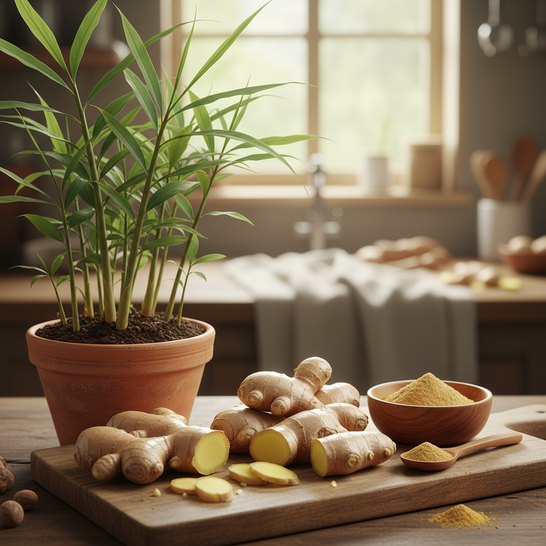
Ginger (Zingiber officinale), known as Adrak (fresh) and Sonth (dried) in Hindi, is one of the most widely used medicinal spices in Ayurveda and traditional medicine worldwide. Its rhizome contains gingerol, shogaol, and zingerone – potent bioactive compounds that fight inflammation, aid digestion, relieve nausea, and boost immunity. Called 'Vishvabhesaj' (Universal Medicine) in Ayurveda, ginger is often combined with Tulsi and honey for cold and cough relief.

🌿 Ginger at a Glance

Ginger (Zingiber officinale), known as Adrak (fresh) and Sonth (dried) in Hindi, is a flowering plant whose rhizome is one of the most widely used spices and medicines in the world. Called Vishvabhesaj (Universal Medicine) in Ayurveda, ginger has been a cornerstone of traditional healing for over 5,000 years. Its warm, pungent flavor and powerful bioactive compounds make it indispensable in kitchens and medicine cabinets alike.


✨ Why It’s Special / Importance

  • 🏆 Called “Vishvabhesaj” (Universal Medicine) in Ayurveda – suitable for treating almost every ailment
  • 🔬 Contains gingerol, shogaol, and zingerone – potent anti-inflammatory and antioxidant compounds
  • 🌍 One of the oldest traded spices in the world – used across every major healing tradition
  • 🍵 Fresh (Adrak) and dried (Sonth) forms have different therapeutic properties in Ayurveda
  • 🌿 Often combined with Tulsi and honey for the classic cold and cough remedy

🏺 Traditional / Ayurvedic Uses

Rasa (Taste): Katu (Pungent) Virya (Potency): Ushna (Hot) Vipaka (Post-digestive): Madhura (Sweet) Dosha Effect: Balances Vata and Kapha; may increase Pitta in excess

Classical Applications:

  • Called Vishvabhesaj in Charaka Samhita – the herb applicable to all diseases
  • Fresh ginger (Adrak) used for digestive complaints; dried ginger (Sonth) for respiratory ailments
  • Combined with black pepper and long pepper in the classical Trikatu formulation
  • Used in Ardraka Khanda – a traditional Ayurvedic ginger confection for digestion
  • Ginger juice with honey recommended as the classic pre-meal appetizer (Deepana)

💪 Benefits / Health Effects

  • Digestive Powerhouse: Stimulates Agni (digestive fire), relieves bloating, gas, and indigestion
  • Anti-inflammatory: Gingerol reduces systemic inflammation and joint pain
  • Nausea Relief: Clinically proven to relieve nausea, motion sickness, and morning sickness
  • Immunity Boost: Strengthens immune response and fights respiratory infections
  • Cold & Cough Remedy: Warms the body, loosens phlegm, and soothes sore throat
  • Blood Sugar Control: May help regulate blood glucose and improve insulin sensitivity
  • Heart Health: May lower cholesterol levels and support cardiovascular wellness
  • Pain Relief: Reduces muscle soreness and menstrual cramps naturally

🥗 Nutritional Information (Per 100g, Fresh Root)

Nutrient Amount
Calories 80 kcal
Carbohydrates 18 g
Fiber 2 g
Protein 1.8 g
Fat 0.75 g
Iron 0.6 mg
Potassium 415 mg
Vitamin C 5 mg
Calcium 16 mg
Magnesium 43 mg

Note: Ginger’s therapeutic value comes primarily from its volatile oils and pungent compounds (gingerol, shogaol, zingerone) rather than macronutrient content. Dried ginger (Sonth) has a more concentrated nutritional and medicinal profile.


🔄 Quick Comparison: Ginger vs Turmeric – Anti-inflammatory Spices

Feature Ginger Turmeric
Best For Nausea, digestion, cold & cough Inflammation, immunity, skin
Dosha Effect Vata & Kapha balance Kapha & Vata balance
Key Compound Gingerol, Shogaol Curcumin, Curcuminoids
Taste Pungent Bitter, Pungent
Potency Hot Hot
Primary Action Digestive stimulant, warming Anti-inflammatory, antimicrobial
How to Use Tea, curries, Trikatu Golden milk, curries, paste

🥄 How to Use / Prepare

Culinary Uses:

  • 🍵 Brew fresh ginger slices in hot water for a warming ginger tea
  • 🥘 Add grated ginger to curries, soups, stir-fries, and marinades
  • 🍯 Mix ginger juice with honey and warm water as a daily health tonic
  • 🥤 Blend into smoothies, juices, and lemonades for a spicy kick

Medicinal Preparations:

  • 🍵 Ginger Tea (Adrak Chai): Boil crushed ginger in water with tulsi leaves – for cold, cough, and sore throat
  • 🍯 Ginger-Honey Remedy: Mix 1 tsp ginger juice with honey – classic pre-meal appetizer
  • 💊 Trikatu Churna: Equal parts ginger, black pepper, and long pepper – powerful digestive and respiratory formula
  • 🥛 Sonth Milk: Boil dried ginger powder in milk – for body aches and winter immunity

External Use:

  • Apply warm ginger paste on joints and muscles for pain relief
  • Use ginger oil for massage to improve circulation
  • Ginger compress on the forehead for headache relief

⚠️ Precautions / Warnings

  • ❗ Excess intake may cause heartburn, acidity, or mouth irritation
  • ❗ People on blood-thinning medications should consult a doctor before high doses
  • ❗ High doses may lower blood sugar excessively – diabetics should monitor
  • ❗ Avoid large medicinal doses during pregnancy (small culinary amounts are safe)
  • ❗ May interact with blood pressure and heart medications
  • ⚠️ Start with small amounts if you have a sensitive stomach

🎉 Fun Facts / Trivia

  • 🌱 Known as “Vishvabhesaj” (Universal Medicine) in Ayurveda – the highest title for a healing spice
  • 🌍 One of the oldest traded spices in the world – used for over 5,000 years
  • 🍵 Ginger tea (Adrak Chai) is India’s most popular home remedy for cold and cough
  • 🧬 Contains over 400 identified chemical compounds, with gingerol being the most potent
  • 🚢 Ancient sailors used ginger to prevent seasickness during long voyages
  • 🎄 Gingerbread cookies originated in medieval Europe as a ginger-based medicinal treat
  • 🌾 India produces over 40% of the world’s ginger supply

Frequently Asked Questions (FAQs)

Q: Can I consume ginger daily? A: Yes, consuming 1-2 grams of fresh ginger or ginger tea daily is safe and beneficial for most adults. It supports digestion, immunity, and overall wellness. Avoid excessive doses beyond 4 grams per day.

Q: Is ginger good for cold and cough? A: Yes, ginger is one of the most effective traditional remedies for cold and cough. Its warming properties loosen phlegm, soothe sore throat, and fight respiratory infections. Combine with Tulsi and honey for best results.

Q: What is the difference between fresh ginger and dried ginger? A: In Ayurveda, fresh ginger (Adrak) is considered better for digestive issues, while dried ginger (Sonth) is more potent for respiratory problems and body aches. Both contain gingerol, but drying converts it to shogaol, which has different therapeutic properties.

Q: Can ginger help with weight loss? A: Ginger may support weight management by boosting metabolism, improving digestion, and reducing appetite. Ginger tea and ginger water are popular traditional aids for metabolic health.

Q: Is ginger safe during pregnancy? A: Small amounts of ginger (up to 1 gram per day) are generally considered safe during pregnancy and may help with morning sickness. However, large medicinal doses should be avoided. Always consult your healthcare provider.

Q: What is Trikatu and how does it use ginger? A: Trikatu is a classical Ayurvedic formulation combining dried ginger (Sonth), black pepper, and long pepper (Pippali) in equal parts. It is a powerful digestive stimulant and respiratory formula used for sluggish metabolism and congestion.


Explore More: FruitsVegetablesNatural RemediesSeasonal PicksWellness Tips


📚 Sources

  1. Charaka Samhita and Sushruta Samhita – Traditional Ayurvedic uses of Adrak/Sonth
  2. Mashhadi NS, et al. (2013). “Anti-oxidative and anti-inflammatory effects of ginger in health and physical activity.” International J Preventive Medicine.
  3. Viljoen E, et al. (2014). “A systematic review and meta-analysis of the effect and safety of ginger in the treatment of pregnancy-associated nausea and vomiting.” Nutrition Journal.
  4. USDA FoodData Central – Nutritional Information for Ginger Root

← Back to Herbs