


- Sun, Nov 9, 2025
Forest Roots for Digestive Health
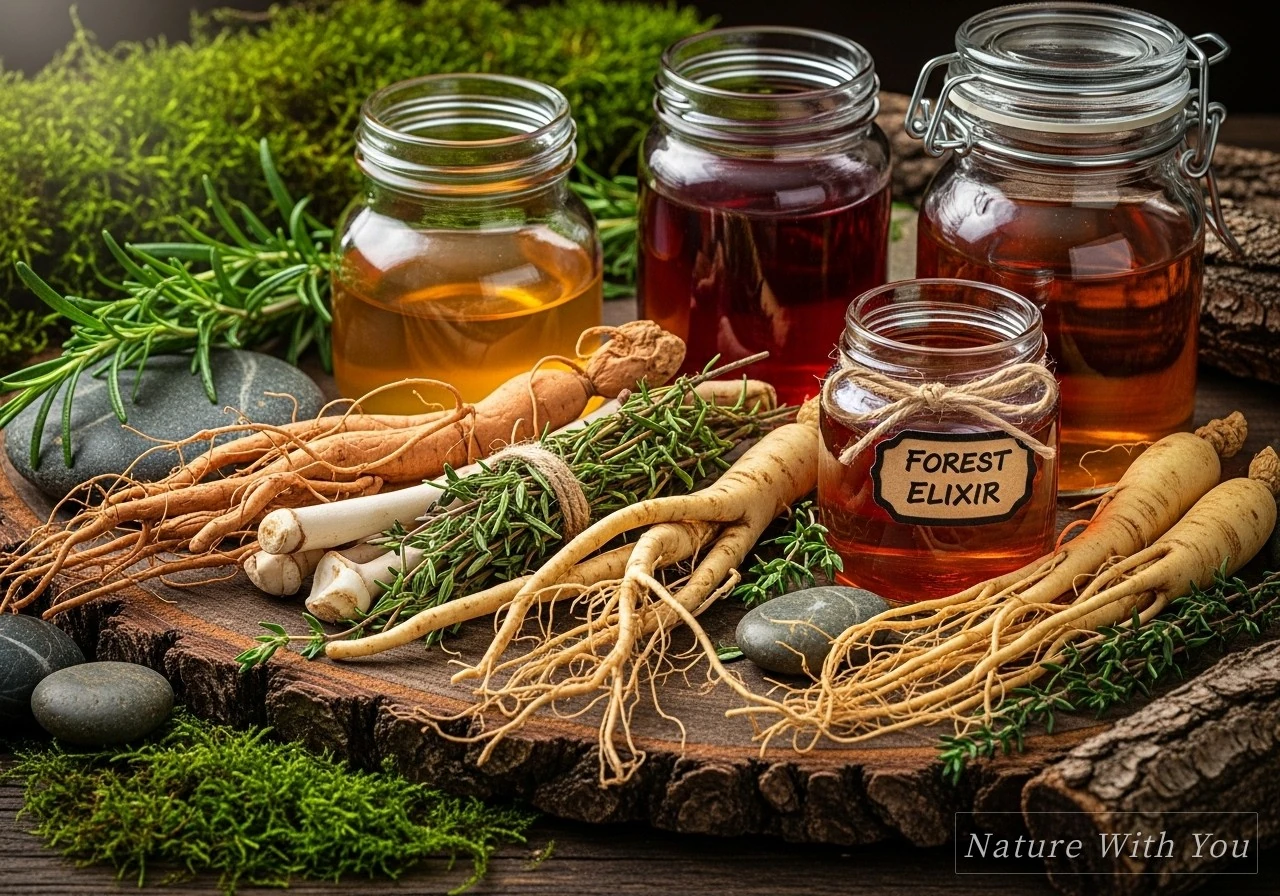
Forest roots are a treasure trove of digestive wellness — traditionally used to soothe the stomach, improve metabolism, and restore balance.
🌿 Forest Roots – Nature’s Digestive Ally
The roots of certain forest plants have been treasured for centuries for their ability to support digestion and overall gut health.
They are natural tonics that help relieve bloating, indigestion, and imbalance in the digestive system.
🌸 Why Forest Roots Are Special
- Improve metabolism and nutrient absorption
- Relieve stomach discomfort and bloating
- Provide antioxidants and anti-inflammatory compounds
- Can be used in herbal teas, decoctions, or tonics
✨ How to Use Forest Roots
Herbal Decoction:
1️⃣ Take 5–10 grams of dried forest roots (like wild ginger, licorice root, or vetiver roots).
2️⃣ Boil in 2 cups of water for 10–15 minutes.
3️⃣ Strain and drink warm once or twice daily.
Digestive Tea Blend:
- Mix with tulsi leaves, fennel seeds, and a small piece of dried ginger.
- Steep in hot water and sip slowly after meals.
🌺 Benefits of Forest Roots
- 💧 Supports healthy digestion and gut function
- 🌿 Reduces gas, bloating, and discomfort
- 🧘 Promotes relaxation and balanced metabolism
- 🌸 Provides natural antioxidant support
⚱️ Traditional Uses
Forest roots have been used in Ayurveda and tribal practices to maintain gut health, improve appetite, and relieve digestive discomfort naturally.
These remedies are gentle, sustainable, and harmonize body and mind.
🌻 Forest Roots in Modern Wellness
Today, forest roots are gaining popularity in herbal teas, detox tonics, and wellness rituals.
Their ancient wisdom complements modern lifestyles by supporting digestion, immunity, and holistic balance.
📚 Sources
- Charaka Samhita and Sushruta Samhita – Traditional use of forest roots for digestion.
- Singh, R. & Sharma, P. (2020). Wild Edible and Medicinal Plants of India. New Delhi: Botanical Publications.
- PubMed articles on medicinal roots for gastrointestinal health: https://pubmed.ncbi.nlm.nih.gov