


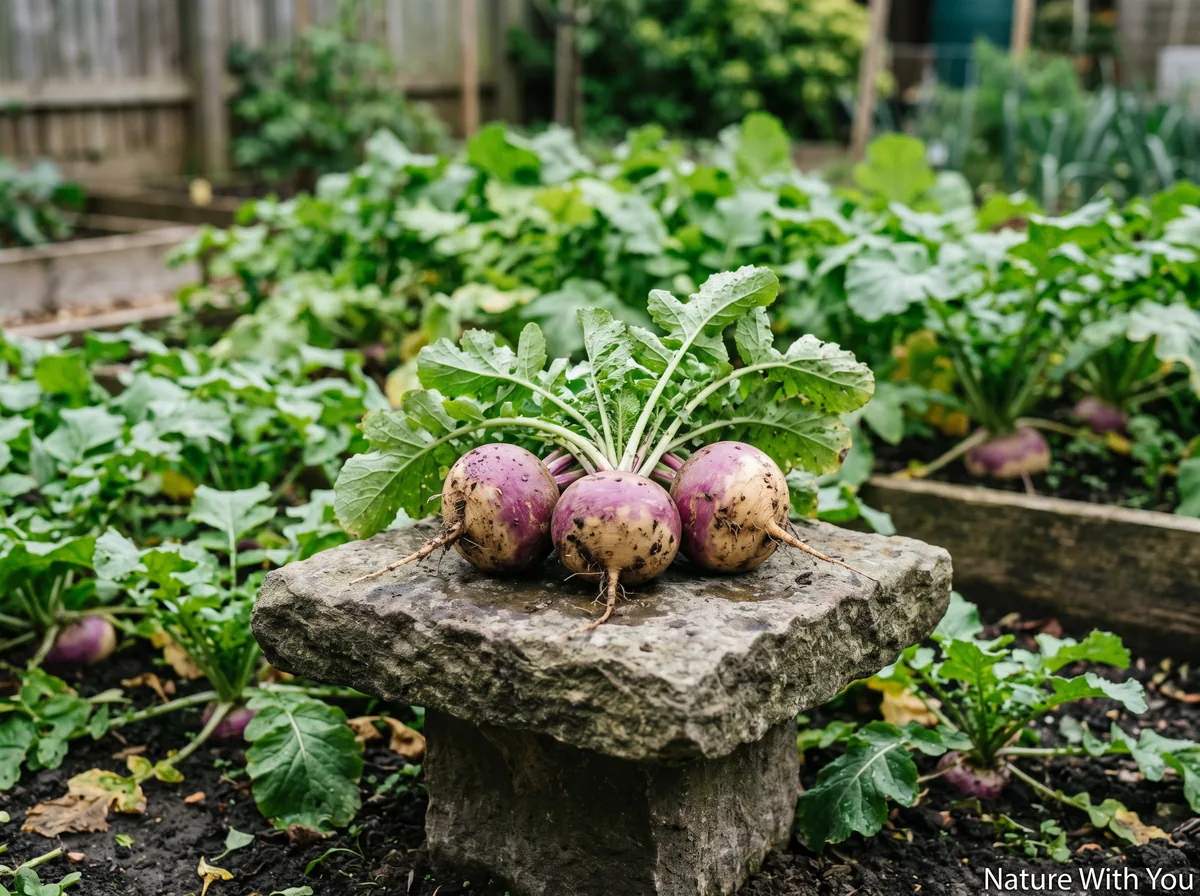
Turnip (Shalgam) – The Warming Winter Root
Discover Turnip (Shalgam), the warming winter root rich in vitamin C and fiber — a low-calorie root vegetable that supports immunity, digestion, and bone health, with edible nutritious greens.
Tue, Jun 9, 2026 · 5 min read🥔 Turnip at a Glance
Turnip (Brassica rapa), known as Shalgam in Hindi, is a round, white-and-purple cruciferous root harvested in winter. Mildly sweet with a gentle peppery bite, it is low in calories yet a good source of vitamin C and fiber. Both the root and its leafy green tops are edible — the greens being especially rich in vitamin K, vitamin A, and calcium. A winter staple in Indian kitchens, turnip shines in sabzi, soups, pickles, and the much-loved Punjabi shalgam masala.
✨ Why It’s Special / Importance
- 🍊 Good source of vitamin C for immunity, especially welcome in winter
- 🌿 Both root and greens are edible — the leafy tops are highly nutritious
- 🥗 Low in calories with fiber – light and weight-friendly
- 🔥 A warming root well suited to cold weather in Ayurveda
- 🦴 Turnip greens supply vitamin K and calcium for bone health
🏺 Traditional / Ayurvedic Uses
Rasa (Taste): Madhura–Katu (Sweet–Pungent) Virya (Potency): Ushna (Warming) Vipaka (Post-digestive): Katu (Pungent) Dosha Effect: Balances Kapha and Vata; warming nature may increase Pitta in excess
Classical Applications:
- Valued as a warming (Ushna) winter root that kindles digestion and counters cold-weather sluggishness
- Recommended cooked with warming spices (ginger, ajwain) to ease its gas-forming tendency
- Considered light (Laghu) and useful for Kapha-type heaviness
- Turnip greens used traditionally as a nourishing leafy vegetable
💪 Benefits / Health Effects
- ✅ Immunity: Good vitamin C supports immune defence in cold weather
- ✅ Digestion: Fiber promotes regularity; the warming nature kindles appetite
- ✅ Weight Management: Low calorie and filling
- ✅ Bone Health: Turnip greens are rich in vitamin K and calcium
- ✅ Heart Health: Fiber and potassium support healthy blood pressure and cholesterol
- ✅ Detox Support: A cruciferous root that aids natural detoxification
- ✅ Skin & Eyes: Greens provide vitamin A and antioxidants
- ✅ Warmth: Traditionally eaten to warm the body in winter
🥗 Nutritional Information (Per 100g, Raw Root)
| Nutrient | Amount |
|---|---|
| Calories | 28 kcal |
| Carbohydrates | 6.4 g |
| Fiber | 1.8 g |
| Protein | 0.9 g |
| Fat | 0.1 g |
| Vitamin C | 21 mg |
| Potassium | 191 mg |
| Calcium | 30 mg |
Note: Don’t discard the leafy tops — turnip greens are even more nutrient-dense than the root, rich in vitamin K, vitamin A, and calcium. Cook them like spinach or add to soups.
🔄 Quick Comparison: Turnip vs Radish – The Winter Roots
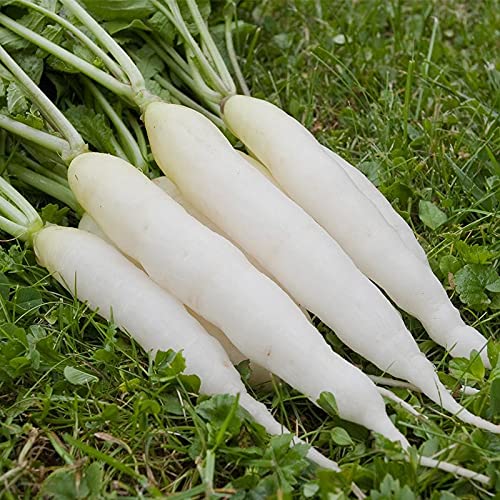
| Feature | Turnip (Shalgam) | Radish (Mooli) |
|---|---|---|
| Best For | Warming winter meals, immunity | Digestion, liver, cooling |
| Taste | Mildly sweet, peppery | Sharp, peppery |
| Eaten As | Mostly cooked | Raw and cooked |
| Dosha Effect | Balances Kapha & Vata | Balances Kapha |
| Potency | Warming (Ushna) | Warming (Ushna) |
| Calories | 28 kcal/100g | 16 kcal/100g |
| Popular Dish | Shalgam masala, soup | Mooli paratha, salad |
🥄 How to Use / Prepare
Culinary Tips:
- 🍛 Shalgam Masala: Cook cubed turnip with onion, tomato, and warming spices – a Punjabi winter classic
- 🥣 Soups & Stews: Add to hearty winter soups and mixed-vegetable stews
- 🥗 Roasted: Roast wedges with Black Pepper and herbs until caramelised
- 🥬 Turnip Greens: Sauté the leafy tops like spinach with garlic and spices
- 🥒 Pickle: Make tangy turnip pickle, popular in North Indian winters
- 🍲 Mashed: Boil and mash as a low-carb alternative to potato
Traditional Home Remedies:
- 🔥 For Warmth & Digestion: Cook turnip with Ginger to warm the body and aid digestion in winter
- 🌿 For Easy Digestion: Add ajwain (carom) while cooking to reduce gas
- 🍵 Soothing Soup: Warm turnip soup is traditionally comforting during cold weather
⚠️ Precautions / Warnings
- ❗ Eating large amounts undercooked may cause bloating or gas
- ❗ Contains goitrogens that may affect the thyroid in very high raw amounts – cooking reduces this
- ❗ Its warming nature may aggravate Pitta (heat, acidity) if eaten in excess
- ❗ Choose firm, smooth roots; soft or woody ones are past their best
- ⚠️ Cooked turnip and turnip greens in normal meals are safe and nourishing
🎉 Fun Facts / Trivia
- 🥬 Turnip greens are more nutritious than the root, yet are often discarded
- 🎃 Before pumpkins, turnips were carved into lanterns in old European traditions
- 🧬 Turnip belongs to the cruciferous Brassica family, alongside cabbage and mustard
- 🇮🇳 Shalgam ka achaar (turnip pickle) is a beloved North Indian winter preparation
- 🌱 Both white and purple-topped varieties grow quickly, often ready in under two months
Frequently Asked Questions (FAQs)
Q: Are turnip greens edible? A: Yes, and they are even more nutritious than the root. Turnip greens are rich in vitamin K, vitamin A, and calcium. Cook them like spinach — sautéed with garlic and spices, or added to soups and dals.
Q: Is turnip good for weight loss? A: Yes. At only 28 calories per 100g with fiber, turnip is filling and low in calories. Boiled and mashed, it makes a lighter, lower-carb alternative to potato.
Q: Turnip vs radish — what’s the difference? A: Both are warming winter roots, but turnip is milder and slightly sweet, usually eaten cooked, while radish is sharper and peppery and often eaten raw. Turnip is great in shalgam masala; radish in parathas and salads.
Q: Does turnip cause gas? A: It can if undercooked or eaten in large amounts, as it is a cruciferous root. Cooking it well and adding ajwain or ginger reduces gas significantly.
Q: When is turnip in season? A: Turnip is a winter vegetable, at its sweetest and most tender in the cold months. Warming winter dishes like shalgam masala make the most of it.
Related Items
Explore More: Fruits • Vegetables • Herbs • Natural Remedies • Seasonal Picks • Wellness Tips
📚 Sources
- USDA FoodData Central – Nutritional Information for Turnip, raw
- Paul S, et al. (2019). “Phytochemical and health benefits of Brassica rapa (turnip).” Journal of Food Biochemistry.
- Bhavaprakash Nighantu – Traditional classification of root vegetables