


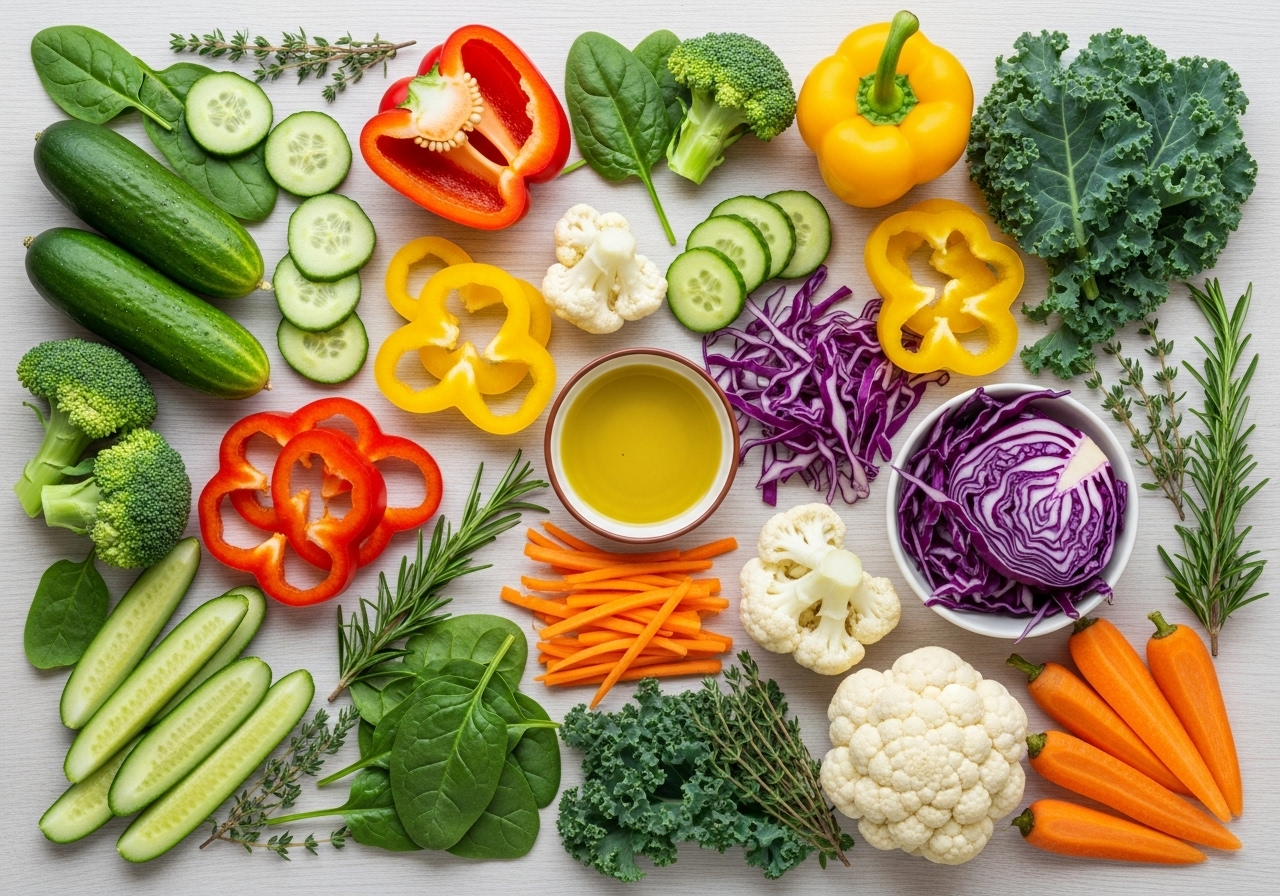
Boost Immunity with Vegetables
Vegetables packed with vitamins, minerals, and antioxidants that help strengthen your immune system.
Sun, Aug 17, 2025Eating vegetables rich in vitamins, minerals, and antioxidants can help boost your immune system, improve digestion, and enhance overall health. Include a variety of leafy greens, cruciferous vegetables, and colorful veggies for maximum benefits.
Assorted immunity boosting vegetables
Vegetables are packed with essential nutrients like vitamins A, C, K, minerals, and antioxidants that support your immune system. Eating a variety of colorful vegetables ensures your body gets the nutrients it needs to fight infections and maintain overall health.
🥦 Vegetables to Boost Immunity
Spinach – Rich in vitamins A, C, and antioxidants.
Tips for Buying & Storing: Pick bright green, crisp leaves. Store in refrigerator in a perforated bag for 3–5 days.Broccoli – Contains vitamin C, fiber, and sulforaphane for immunity.
Tips for Buying & Storing: Choose firm, dark green heads. Refrigerate in a perforated bag for up to 1 week.Carrot – High in beta-carotene, supports immune health.
Tips for Buying & Storing: Select firm, brightly colored carrots. Store in refrigerator in plastic bag for 2–3 weeks.Bell Pepper – Packed with vitamin C and antioxidants.
Tips for Buying & Storing: Pick firm, glossy peppers. Refrigerate for 1–2 weeks in vegetable drawer.Tomato – Rich in vitamin C, lycopene, and other nutrients.
Tips for Buying & Storing: Choose firm, fragrant tomatoes. Store at room temperature until ripe, then refrigerate for 2–3 days.Garlic – Boosts immunity with antiviral and antibacterial properties.
Tips for Buying & Storing: Select firm, dry bulbs. Store in a cool, dark, and dry place for several months.
Tips for Including Diet
- Start with salads – Include fresh leafy greens like spinach, kale, or lettuce in your meals.
- Add to soups and stews – Enhance flavor and nutrition by adding carrots, broccoli, bell peppers, or tomatoes.
- Smoothies & Juices – Blend spinach, carrot, or cucumber with fruits for a nutrient-packed drink.
- Stir-fry or sauté – Quickly cook vegetables with minimal oil to retain vitamins.
- Snack smart – Keep carrot sticks, bell pepper slices, or cherry tomatoes ready for snacking.
- Mix & match – Rotate different vegetables to get a variety of vitamins, minerals, and antioxidants.
Seasonal Guide
- Summer: Cucumber, Bell Pepper, Spinach, Carrot
- Winter: Broccoli, Cabbage, Kale, Cauliflower
Eating seasonal vegetables ensures peak freshness, taste, and nutrient content.
Immune-Boosting Combinations
- Spinach + Turmeric + Black Pepper – Enhances antioxidant absorption.
- Carrot + Ginger + Lemon – Boosts Vitamin C and immunity.
- Broccoli + Garlic – Strengthens the immune system naturally.
Common Mistakes to Avoid
- Relying only on one type of vegetable.
- Overcooking vegetables and losing nutrients.
- Improper storage that reduces freshness and vitamins.
Quick Recipes / DIY Ideas
- Spinach & Carrot Smoothie – Blend spinach, carrot, apple, and lemon.
- Vegetable Soup with Garlic & Ginger – Simmer carrots, broccoli, and spinach with garlic and ginger.
- Bell Pepper Stir-Fry – Quick sauté with olive oil, garlic, and spices.
FAQs
Q: Does eating raw vegetables improve immunity more than cooked?
A: Both raw and lightly cooked vegetables are beneficial. Cooking can reduce some vitamins but improve others like beta-carotene absorption.